Showing all 11 resultsSorted by price: high to low
Select options
This product has multiple variants. The options may be chosen on the product page
$19.00–$400.00Price range: $19.00 through $400.00
Kit Kat
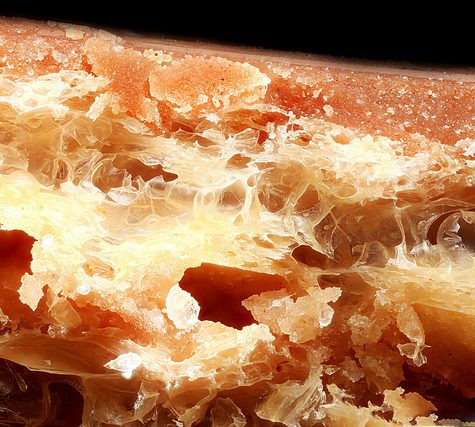
Kit Kat is a chocolate-covered wafer bar confection created by Rowntree’s of York, United Kingdom, and is now produced globally by Nestlé, which acquired Rowntree in 1988,[1] with the exception of the United States where it is made under license by H.B. Reese Candy Company, a division of The Hershey Company. The standard bars consist of two or four fingers composed of three layers of wafer, separated and covered by an outer layer of chocolate. Each finger can be snapped from the bar separately. There are many different flavours of Kit Kat.
Select options
This product has multiple variants. The options may be chosen on the product page
$19.00–$400.00Price range: $19.00 through $400.00
Kit Kat Chocolate
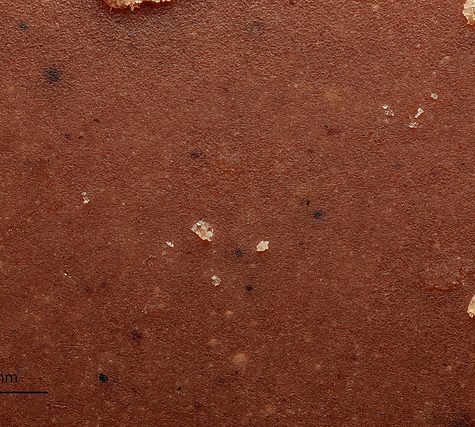
Kit Kat is a chocolate-covered wafer bar confection created by Rowntree’s of York, United Kingdom, and is now produced globally by Nestlé, which acquired Rowntree in 1988,[1] with the exception of the United States where it is made under license by H.B. Reese Candy Company, a division of The Hershey Company. The standard bars consist of two or four fingers composed of three layers of wafer, separated and covered by an outer layer of chocolate. Each finger can be snapped from the bar separately. There are many different flavours of Kit Kat.
Select options
This product has multiple variants. The options may be chosen on the product page
$19.00–$400.00Price range: $19.00 through $400.00
Kit Kat
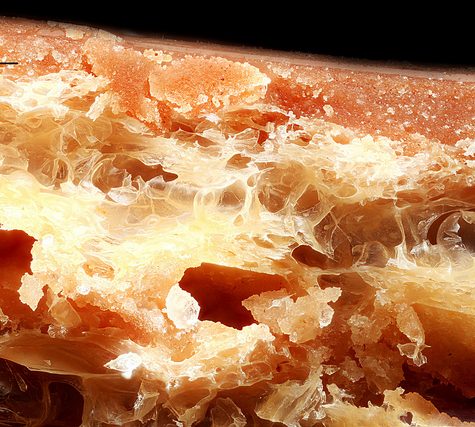
Kit Kat is a chocolate-covered wafer bar confection created by Rowntree’s of York, United Kingdom, and is now produced globally by Nestlé, which acquired Rowntree in 1988,[1] with the exception of the United States where it is made under license by H.B. Reese Candy Company, a division of The Hershey Company. The standard bars consist of two or four fingers composed of three layers of wafer, separated and covered by an outer layer of chocolate. Each finger can be snapped from the bar separately. There are many different flavours of Kit Kat.
Select options
This product has multiple variants. The options may be chosen on the product page
$19.00–$400.00Price range: $19.00 through $400.00
Popcorn
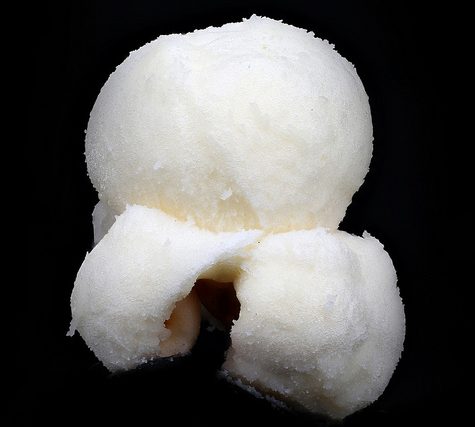
Popcorn is a variety of cornkernel, which forcefully expands and puffs up when heated.
A popcorn kernel’s strong hull contains the seed’s hard, starchy endosperm with 14-20% moisture, which turns to steam as the kernel is heated. The pressure continues building until it exceeds the hull’s ability to contain it. The kernel ruptures and forcefully expands, allowing the contents to expand, cool, and finally set in a popcorn puff 2 to 5 times the size of the original kernel.[1]
Select options
This product has multiple variants. The options may be chosen on the product page
$19.00–$400.00Price range: $19.00 through $400.00
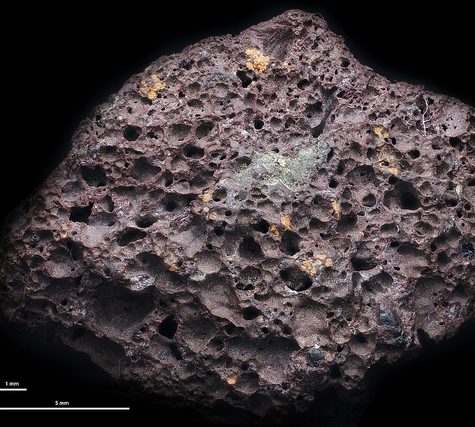
Vesicular Basalt Ah-ah
Basalt is a common extrusiveigneous(volcanic) rock formed from the rapid cooling of basaltic lava exposed at or very near the surface of a planet or moon. Flood basalt describes the formation in a series of lava basalt flows.
Select options
This product has multiple variants. The options may be chosen on the product page
$19.00–$400.00Price range: $19.00 through $400.00
Tephra
Tephra is fragmental material produced by a volcanic eruption regardless of composition, fragment size or emplacement mechanism.[1]
Tephra horizons in south-central Iceland. The thick and light coloured layer at the centre of the photo is rhyolitic tephra from Hekla.
Volcanologists also refer to airborne fragments as pyroclasts. Once clasts have fallen to the ground they remain as tephra unless hot enough to fuse together into pyroclastic rock or tuff.
Select options
This product has multiple variants. The options may be chosen on the product page
$19.00–$400.00Price range: $19.00 through $400.00
Tephra
Tephra is fragmental material produced by a volcanic eruption regardless of composition, fragment size or emplacement mechanism.[1]
Tephra horizons in south-central Iceland. The thick and light coloured layer at the centre of the photo is rhyolitic tephra from Hekla.
Volcanologists also refer to airborne fragments as pyroclasts. Once clasts have fallen to the ground they remain as tephra unless hot enough to fuse together into pyroclastic rock or tuff.
Select options
This product has multiple variants. The options may be chosen on the product page
$19.00–$400.00Price range: $19.00 through $400.00
Tephra and Sulfur
Tephra is fragmental material produced by a volcanic eruption regardless of composition, fragment size or emplacement mechanism.[1]
Tephra horizons in south-central Iceland. The thick and light coloured layer at the centre of the photo is rhyolitic tephra from Hekla.
Volcanologists also refer to airborne fragments as pyroclasts. Once clasts have fallen to the ground they remain as tephra unless hot enough to fuse together into pyroclastic rock or tuff.
Select options
This product has multiple variants. The options may be chosen on the product page
$19.00–$400.00Price range: $19.00 through $400.00
Solidified Sulfur flow with Tephra
Tephra is fragmental material produced by a volcanic eruption regardless of composition, fragment size or emplacement mechanism.[1]
Tephra horizons in south-central Iceland. The thick and light coloured layer at the centre of the photo is rhyolitic tephra from Hekla.
Volcanologists also refer to airborne fragments as pyroclasts. Once clasts have fallen to the ground they remain as tephra unless hot enough to fuse together into pyroclastic rock or tuff.
Select options
This product has multiple variants. The options may be chosen on the product page
$19.00–$400.00Price range: $19.00 through $400.00
Popcorn Tephra
Tephra is fragmental material produced by a volcanic eruption regardless of composition, fragment size or emplacement mechanism.[1]
Tephra horizons in south-central Iceland. The thick and light coloured layer at the centre of the photo is rhyolitic tephra from Hekla.
Volcanologists also refer to airborne fragments as pyroclasts. Once clasts have fallen to the ground they remain as tephra unless hot enough to fuse together into pyroclastic rock or tuff.
Select options
This product has multiple variants. The options may be chosen on the product page