Select options
This product has multiple variants. The options may be chosen on the product page
$19.00–$400.00Price range: $19.00 through $400.00
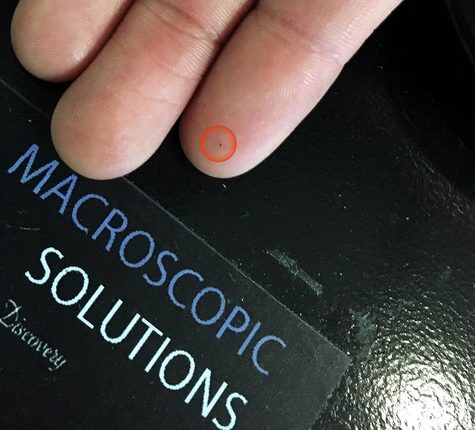
Podura aquatica, for scale
The subphylum Hexapoda (from the Greek for six legs) constitutes the largest number of species of arthropods and includes the insects as well as three much smaller groups of wingless arthropods: Collembola, Protura, and Diplura (all of these were once considered insects).[3][4] The Collembola (or springtails) are very abundant in terrestrial environments. Hexapods are named for their most distinctive feature: a consolidated thorax with three pairs of legs. Most other arthropods have more than three pairs of legs.[5]
Select options
This product has multiple variants. The options may be chosen on the product page
$19.00–$400.00Price range: $19.00 through $400.00
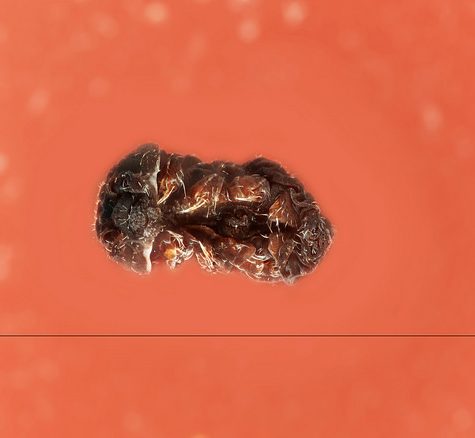
Podura aquatica, Found in Pond Water, Tolland CT
The subphylum Hexapoda (from the Greek for six legs) constitutes the largest number of species of arthropods and includes the insects as well as three much smaller groups of wingless arthropods: Collembola, Protura, and Diplura (all of these were once considered insects).[3][4] The Collembola (or springtails) are very abundant in terrestrial environments. Hexapods are named for their most distinctive feature: a consolidated thorax with three pairs of legs. Most other arthropods have more than three pairs of legs.[5]
Select options
This product has multiple variants. The options may be chosen on the product page
$19.00–$400.00Price range: $19.00 through $400.00
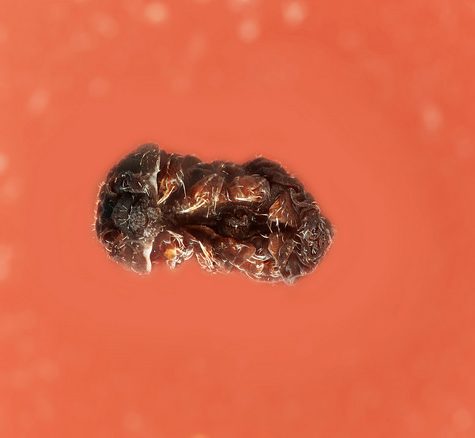
Podura aquatica, Found in Pond Water, Tolland CT
The subphylum Hexapoda (from the Greek for six legs) constitutes the largest number of species of arthropods and includes the insects as well as three much smaller groups of wingless arthropods: Collembola, Protura, and Diplura (all of these were once considered insects).[3][4] The Collembola (or springtails) are very abundant in terrestrial environments. Hexapods are named for their most distinctive feature: a consolidated thorax with three pairs of legs. Most other arthropods have more than three pairs of legs.[5]
Select options
This product has multiple variants. The options may be chosen on the product page
$19.00–$400.00Price range: $19.00 through $400.00
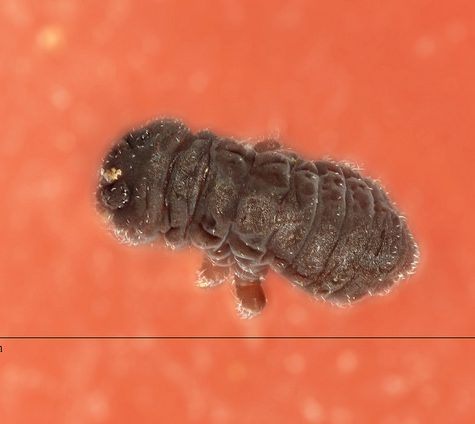
Podura aquatica, Found in Pond Water, Tolland CT
The subphylum Hexapoda (from the Greek for six legs) constitutes the largest number of species of arthropods and includes the insects as well as three much smaller groups of wingless arthropods: Collembola, Protura, and Diplura (all of these were once considered insects).[3][4] The Collembola (or springtails) are very abundant in terrestrial environments. Hexapods are named for their most distinctive feature: a consolidated thorax with three pairs of legs. Most other arthropods have more than three pairs of legs.[5]

 Diffuser for Canon M-PE 65mm 1-5x
 PowerShot Golf
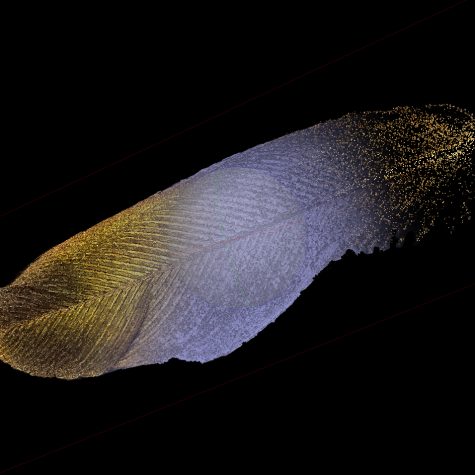 Ruby-throated Hummingbird Tail Feather: 3D Model
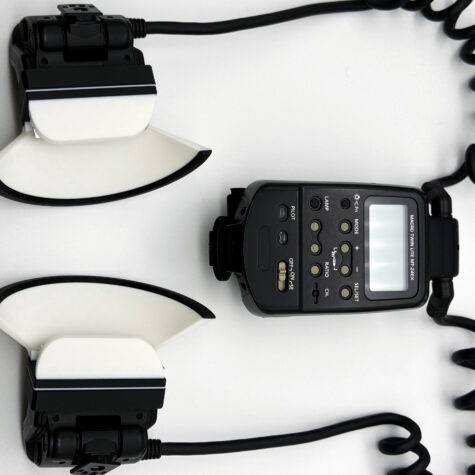 Turtledove Diffusers: Canon MT-24 EX Twin Lite Flash
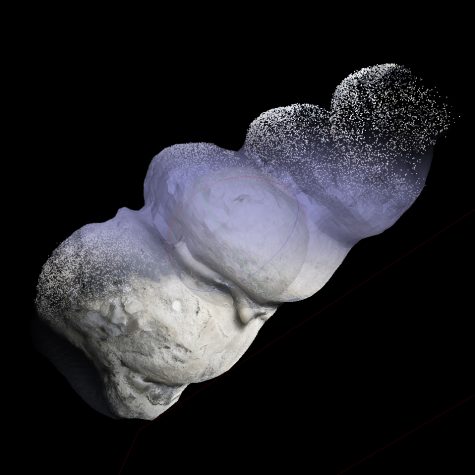 Internal Mold of a Turretellid Gastropod: Fossil
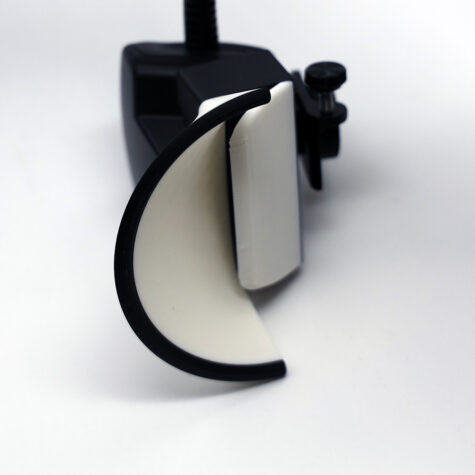 Turtledove Diffusers: MT-26EX-RT Twin Lite Flash
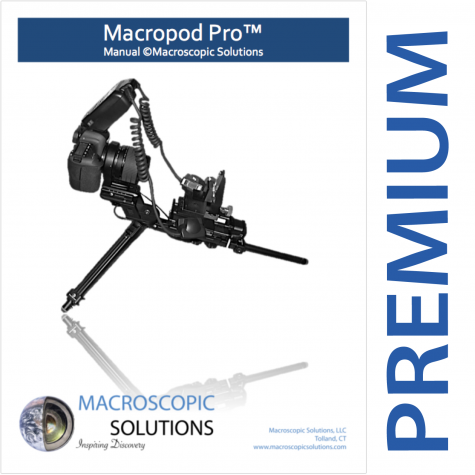 Premium Training & Support
 Macropod Micro Kit with RF 70-200 Lens
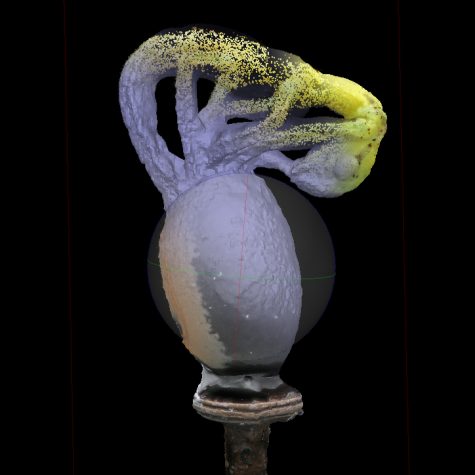 Hatching Stick Insect
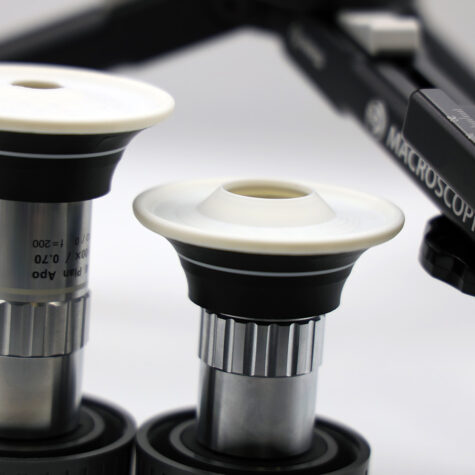 Diffuser for Mitutoyo M Plan APO Objectives
 Rotary Stage for Manual Micro/Macro 3D Imaging