Select options
This product has multiple variants. The options may be chosen on the product page
$19.00–$400.00Price range: $19.00 through $400.00
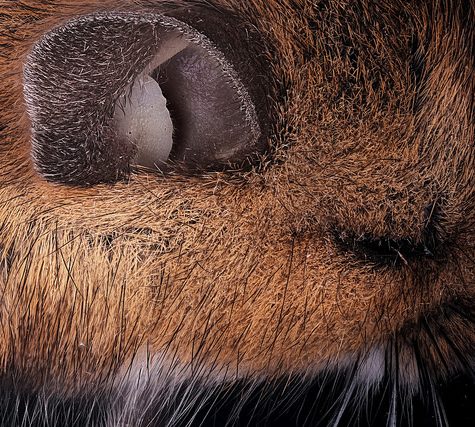
Field Mouse, Head
The wood mouse (Apodemus sylvaticus) is a common murid rodent from Europe and northwestern Africa. It is closely related to the yellow-necked mouse(Apodemus flavicollis) but differs in that it has no band of yellow fur around the neck, has slightly smaller ears, and is usually slightly smaller overall: around 90 mm (3.54 in) in length. It is found across most of Europe and is a very common and widespread species, is commensal with people and is sometimes considered a pest.[1] Other common names are long-tailed field mouse, field mouse, common field mouse, and European wood mouse.[2]
Select options
This product has multiple variants. The options may be chosen on the product page
$19.00–$400.00Price range: $19.00 through $400.00
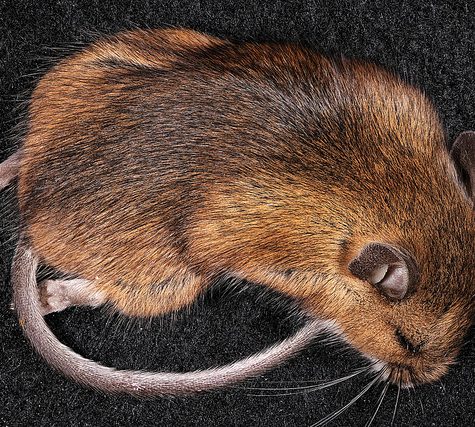
Field Mouse, Dorsal
The wood mouse (Apodemus sylvaticus) is a common murid rodent from Europe and northwestern Africa. It is closely related to the yellow-necked mouse(Apodemus flavicollis) but differs in that it has no band of yellow fur around the neck, has slightly smaller ears, and is usually slightly smaller overall: around 90 mm (3.54 in) in length. It is found across most of Europe and is a very common and widespread species, is commensal with people and is sometimes considered a pest.[1] Other common names are long-tailed field mouse, field mouse, common field mouse, and European wood mouse.[2]
Select options
This product has multiple variants. The options may be chosen on the product page
$19.00–$400.00Price range: $19.00 through $400.00
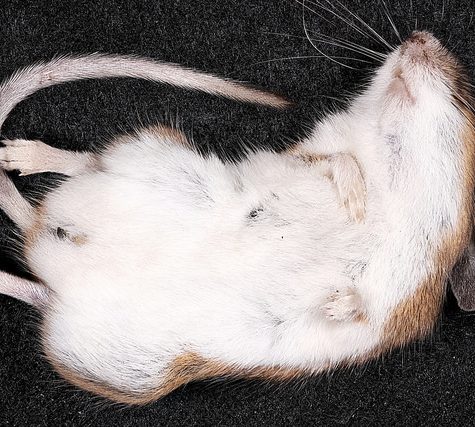
Field Mouse, Ventral
The wood mouse (Apodemus sylvaticus) is a common murid rodent from Europe and northwestern Africa. It is closely related to the yellow-necked mouse(Apodemus flavicollis) but differs in that it has no band of yellow fur around the neck, has slightly smaller ears, and is usually slightly smaller overall: around 90 mm (3.54 in) in length. It is found across most of Europe and is a very common and widespread species, is commensal with people and is sometimes considered a pest.[1] Other common names are long-tailed field mouse, field mouse, common field mouse, and European wood mouse.[2]
Select options
This product has multiple variants. The options may be chosen on the product page
$19.00–$400.00Price range: $19.00 through $400.00
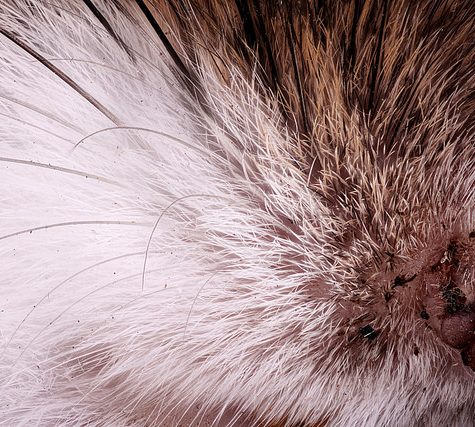
Field Mouse, Nose
The wood mouse (Apodemus sylvaticus) is a common murid rodent from Europe and northwestern Africa. It is closely related to the yellow-necked mouse(Apodemus flavicollis) but differs in that it has no band of yellow fur around the neck, has slightly smaller ears, and is usually slightly smaller overall: around 90 mm (3.54 in) in length. It is found across most of Europe and is a very common and widespread species, is commensal with people and is sometimes considered a pest.[1] Other common names are long-tailed field mouse, field mouse, common field mouse, and European wood mouse.[2]
Select options
This product has multiple variants. The options may be chosen on the product page
$19.00–$400.00Price range: $19.00 through $400.00
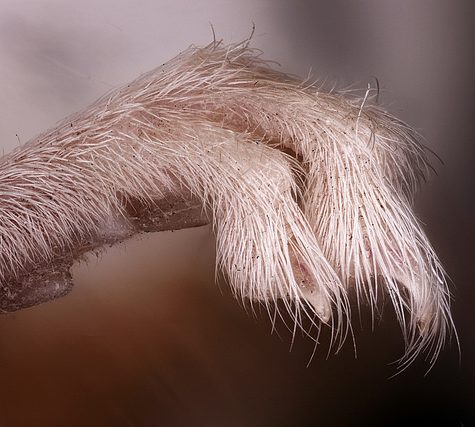
Field Mouse, Foot
The wood mouse (Apodemus sylvaticus) is a common murid rodent from Europe and northwestern Africa. It is closely related to the yellow-necked mouse(Apodemus flavicollis) but differs in that it has no band of yellow fur around the neck, has slightly smaller ears, and is usually slightly smaller overall: around 90 mm (3.54 in) in length. It is found across most of Europe and is a very common and widespread species, is commensal with people and is sometimes considered a pest.[1] Other common names are long-tailed field mouse, field mouse, common field mouse, and European wood mouse.[2]
Select options
This product has multiple variants. The options may be chosen on the product page
$19.00–$400.00Price range: $19.00 through $400.00
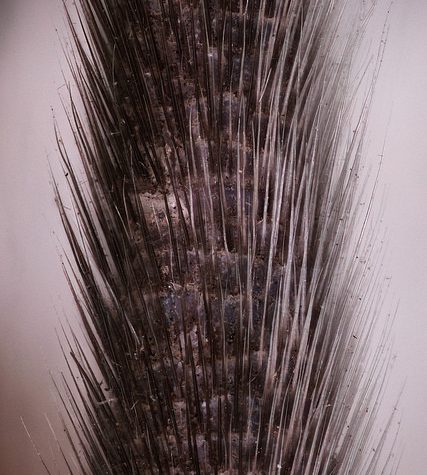
Field Mouse, Tail
The wood mouse (Apodemus sylvaticus) is a common murid rodent from Europe and northwestern Africa. It is closely related to the yellow-necked mouse(Apodemus flavicollis) but differs in that it has no band of yellow fur around the neck, has slightly smaller ears, and is usually slightly smaller overall: around 90 mm (3.54 in) in length. It is found across most of Europe and is a very common and widespread species, is commensal with people and is sometimes considered a pest.[1] Other common names are long-tailed field mouse, field mouse, common field mouse, and European wood mouse.[2]

 Diffuser for Canon M-PE 65mm 1-5x
 Diffuser for Mitutoyo M Plan APO Objectives
 Macropod PRO 3D & Micro Kit R5 Educational
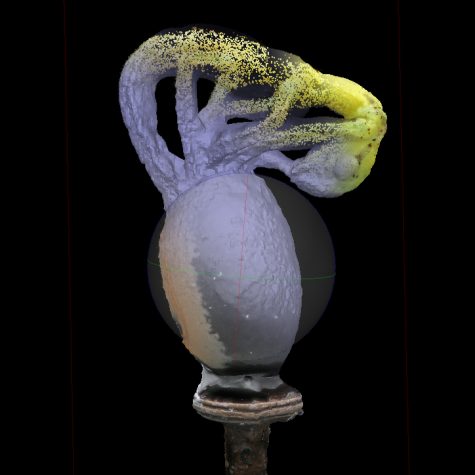 Hatching Stick Insect
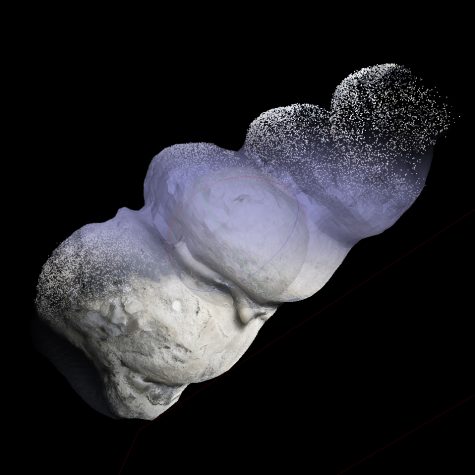 Internal Mold of a Turretellid Gastropod: Fossil
 Escenario Rotatorio para Imágenes Micro / Macro 3D Manual
 Turtledove Diffusers: Canon MT-24 EX Twin Lite Flash
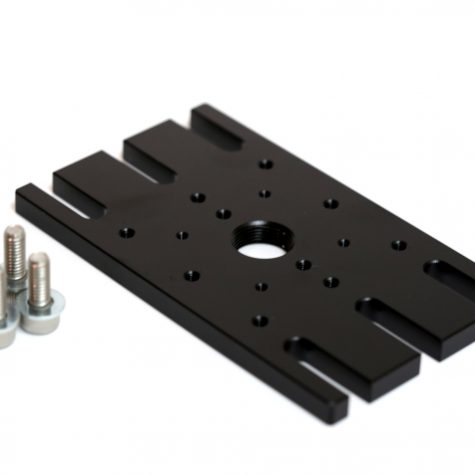 Placa adaptadora para la fijación de etapas giratorias y traslacionales
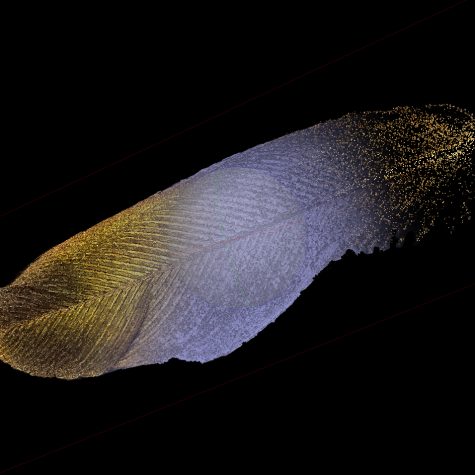 Ruby-throated Hummingbird Tail Feather: 3D Model
 EOS R1
 Motion Control Service and Repair