
 Corylus americana, Leaf Texture from Fenton River
 EOS R3
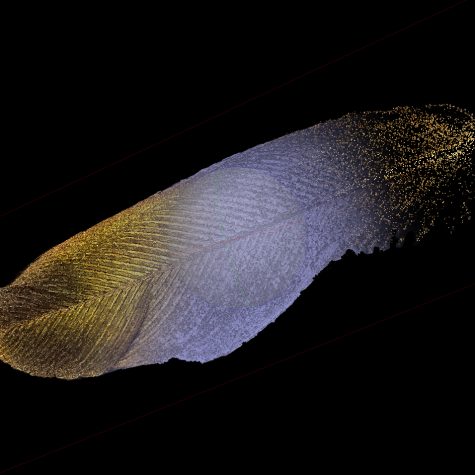 Ruby-throated Hummingbird Tail Feather: 3D Model
 Turtledove Diffusers: Canon MT-24 EX Twin Lite Flash
 Rotary Stage for Manual Micro/Macro 3D Imaging
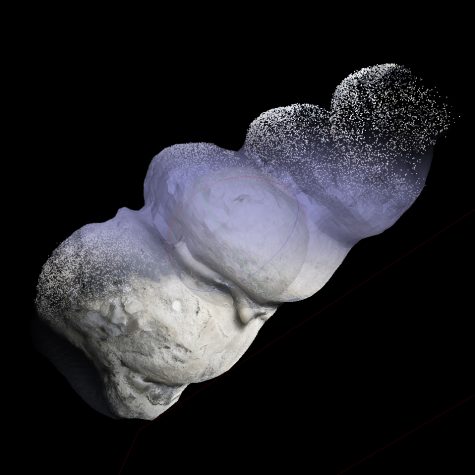 Internal Mold of a Turretellid Gastropod: Fossil
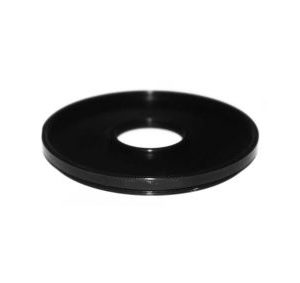 Mitutoyo to 77mm Adapter
 Turtledove Diffusers: Godox MF12 Wireless Flash (Set of 2)
 Turtledove Diffusers: Yongnuo YN-24EX TTL Macro Flash
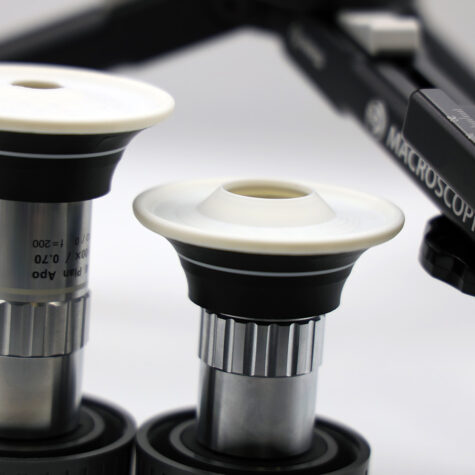 Diffuser for Mitutoyo M Plan APO Objectives
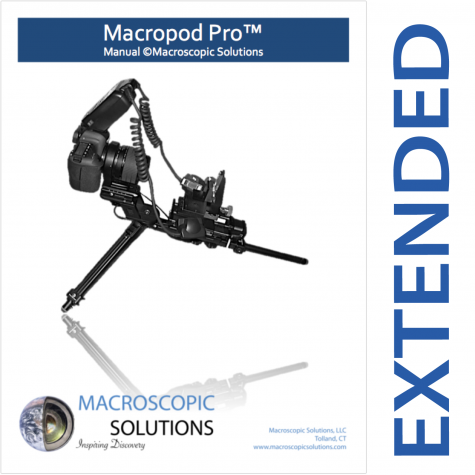 Extended Training & Support
 Macropod PRO 3D R5 (Excludes 7.5-100x Objectives)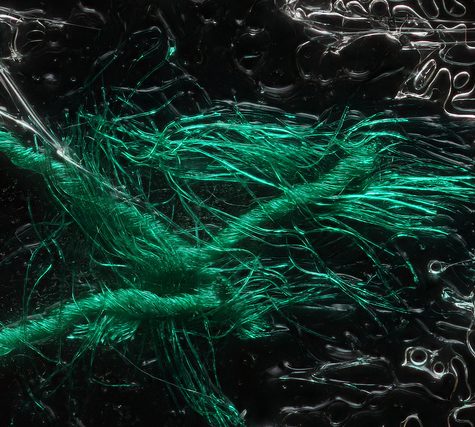
Silk is a natural protein fiber, some forms of which can be woven into textiles. The protein fiber of silk is composed mainly of fibroin and is produced by certain insect larvae to form cocoons.[1] The best-known silk is obtained from the cocoons of the larvae of the mulberrysilkworm Bombyx mori reared in captivity (sericulture). The shimmering appearance of silk is due to the triangular prism-like structure of the silk fibre, which allows silk cloth to refract incoming light at different angles, thus producing different colors.
Silk is produced by several insects, but generally only the silk of moth caterpillars has been used for textile manufacturing. There has been some research into other types of silk, which differ at the molecular level.[2] Silk is mainly produced by the larvae of insects undergoing complete metamorphosis, but some insects such as webspinners and raspy cricketsproduce silk throughout their lives.[3] Silk production also occurs in Hymenoptera (bees, wasps, and ants), silverfish, mayflies, thrips, leafhoppers, beetles, lacewings, fleas, flies, and midges.[2] Other types of arthropod produce silk, most notably various arachnids such as spiders.