Showing 433–448 of 453 resultsSorted by price: high to low
Select options
This product has multiple variants. The options may be chosen on the product page
$19.00–$400.00Price range: $19.00 through $400.00
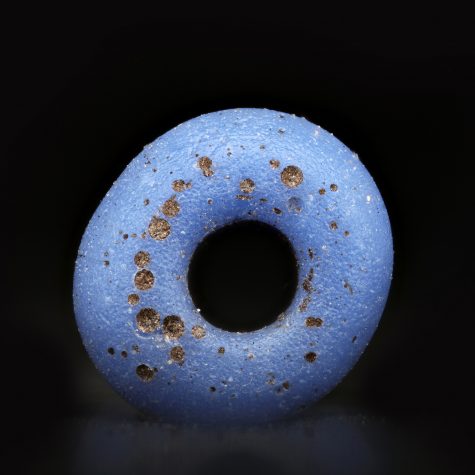
Turquois glass seed bead, type IIa40, mid-17th century, eastern New York, Cook Collection , UConn
Making beads is an old craft. Bone, stone (turquoise and other semi-precious stones) and shell beads are still made the ancient way, little affected by modern technology. Sea shells, the commonest material for handmade beads, have been important native regional trade items for thousands of years.
Select options
This product has multiple variants. The options may be chosen on the product page
$19.00–$400.00Price range: $19.00 through $400.00
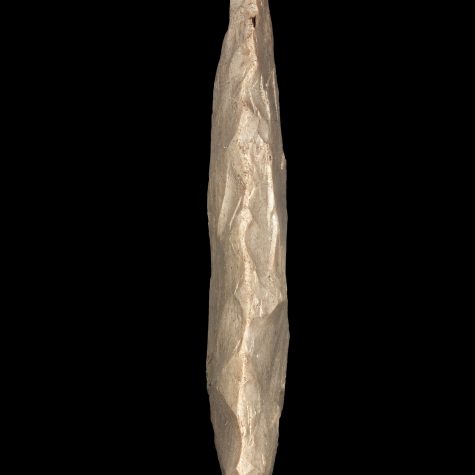
Chert Madison type arrow point, mid-17th century, eastern New York, Cook Collection , UConn
The bow and arrow represents one of the great technological advancements in weaponry in the ancient world. In fact, the bow is the first mechanical device that could store energy, as the arrow was held in the string before its release. Recent distance records in flight archery for pulled bows are around one third mile, the longest crossbow shot is 1.16 miles! Bows and arrows were used just about everywhere in the world except Australia where spear throwers were the preferred weapon. Triangular shaped arrow points were one of the most common types of arrow points used on the tips of arrows.
Select options
This product has multiple variants. The options may be chosen on the product page
$19.00–$400.00Price range: $19.00 through $400.00
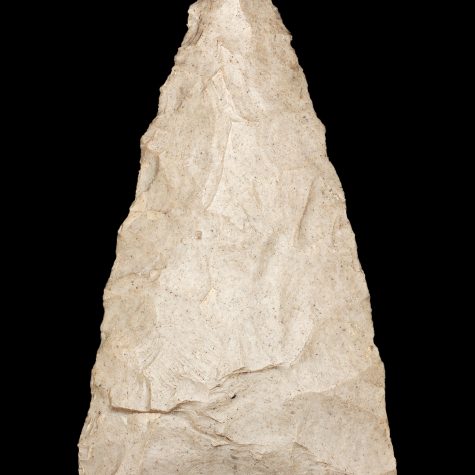
Chert Madison type arrow point, mid-17th century, eastern New York, Cook Collection , UConn
The bow and arrow represents one of the great technological advancements in weaponry in the ancient world. In fact, the bow is the first mechanical device that could store energy, as the arrow was held in the string before its release. Recent distance records in flight archery for pulled bows are around one third mile, the longest crossbow shot is 1.16 miles! Bows and arrows were used just about everywhere in the world except Australia where spear throwers were the preferred weapon. Triangular shaped arrow points were one of the most common types of arrow points used on the tips of arrows.
Select options
This product has multiple variants. The options may be chosen on the product page
$19.00–$400.00Price range: $19.00 through $400.00
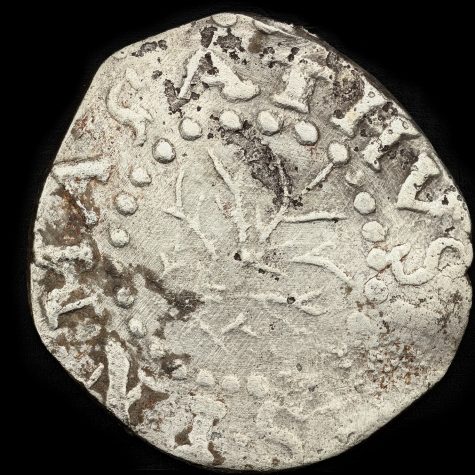
Silver 1662 Oak Tree twopence, Hull Mint, Boston, from Windsor, CT
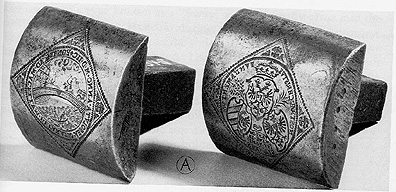
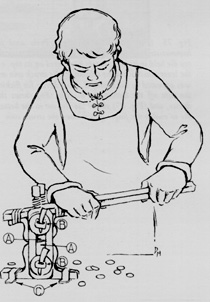
The Willow Tree series was replaced because of a new technology. Rather than simply using the older hammer striking method Richard Doty has suggested Hull changed to a rocker arm press. The dies needed for a rocker arm press were quite different from dies used in the hammer strike method. A rocker press used large-sized rectangular shaped dies with a curved face so that the die could rock back and forth. The image for the coin was then engraved on the curved face of the rocker, one rocker for the obverse and another for the reverse (click here for picture of rocker dies). The two rocker dies would then be mounted face to face in the press. By pulling a lever the upper and lower rockers would press against each other with a rolling motion (click here for picture of a rocker press). As long as the two dies were properly aligned a blank planchet placed between them would be impressed with the design of the dies.
Select options
This product has multiple variants. The options may be chosen on the product page
$19.00–$400.00Price range: $19.00 through $400.00
Silver 1662 Oak Tree twopence, Hull Mint, Boston, from Windsor, CT
The Willow Tree series was replaced because of a new technology. Rather than simply using the older hammer striking method Richard Doty has suggested Hull changed to a rocker arm press. The dies needed for a rocker arm press were quite different from dies used in the hammer strike method. A rocker press used large-sized rectangular shaped dies with a curved face so that the die could rock back and forth. The image for the coin was then engraved on the curved face of the rocker, one rocker for the obverse and another for the reverse (click here for picture of rocker dies). The two rocker dies would then be mounted face to face in the press. By pulling a lever the upper and lower rockers would press against each other with a rolling motion (click here for picture of a rocker press). As long as the two dies were properly aligned a blank planchet placed between them would be impressed with the design of the dies.
Select options
This product has multiple variants. The options may be chosen on the product page
$19.00–$400.00Price range: $19.00 through $400.00
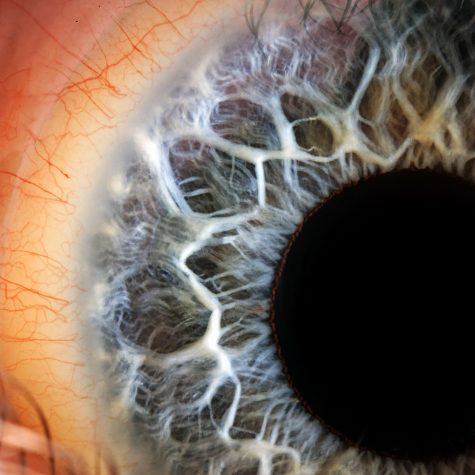
Blue Iris
Eyes are the organs of vision. They detect light and convert it into electro-chemical impulses in neurons. In higher organisms, the eye is a complex optical system which collects light from the surrounding environment, regulates its intensity through a diaphragm, focuses it through an adjustable assembly of lenses to form an image, converts this image into a set of electrical signals, and transmits these signals to the brain through complex neural pathways that connect the eye via the optic nerve to the visual cortex and other areas of the brain. Eyes with resolving power have come in ten fundamentally different forms, and 96% of animal species possess a complex optical system. Image-resolving eyes are present in molluscs, chordates and arthropods.
Select options
This product has multiple variants. The options may be chosen on the product page
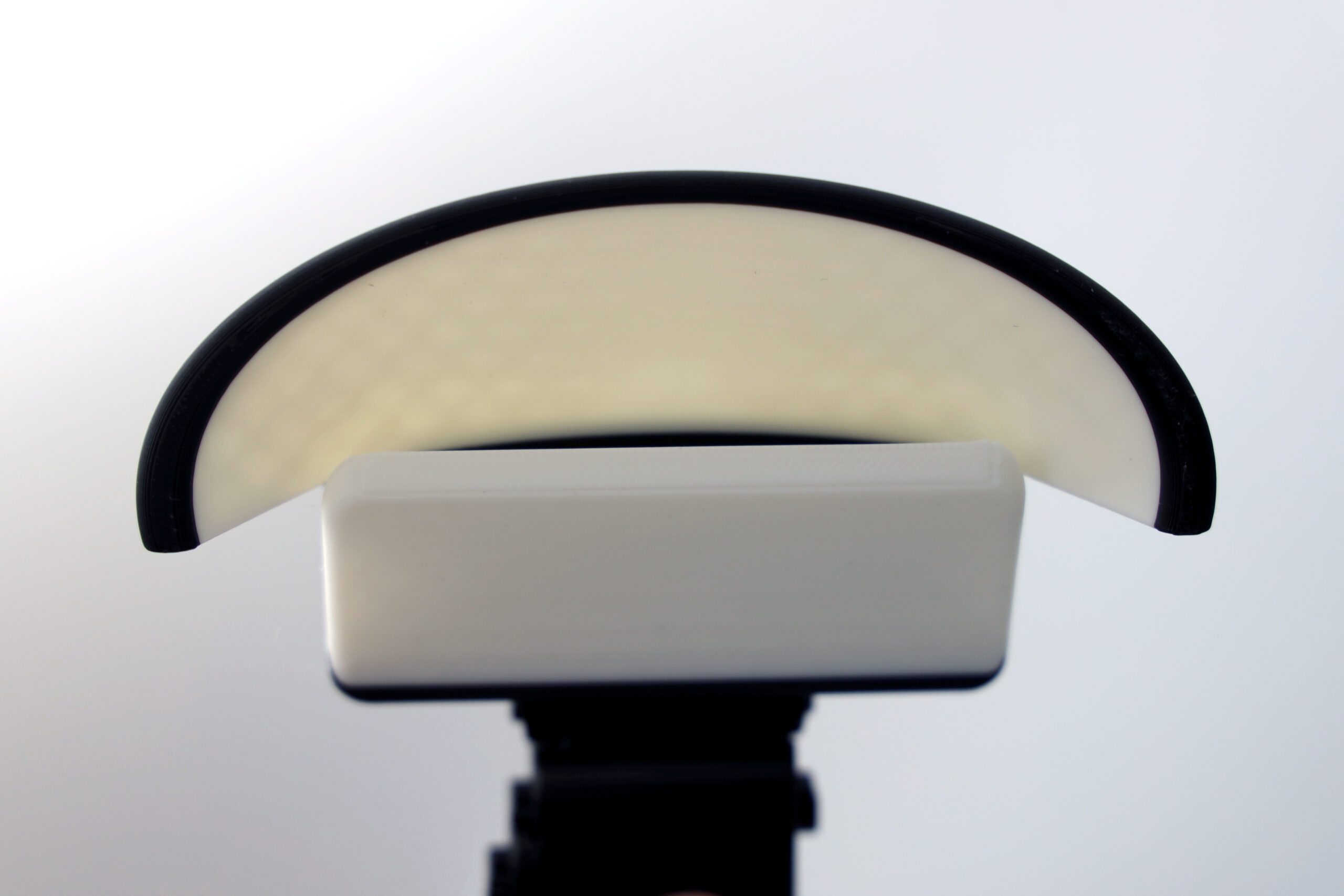
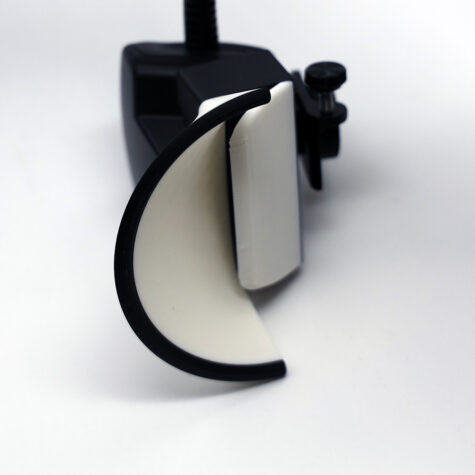
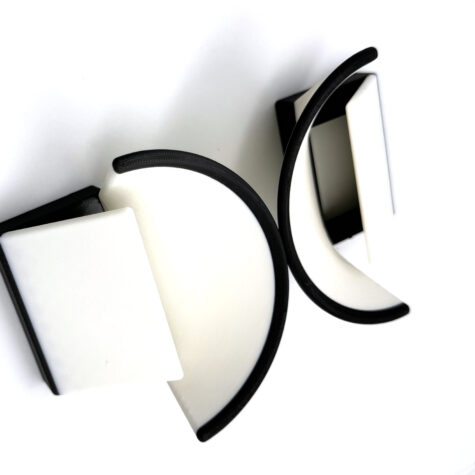
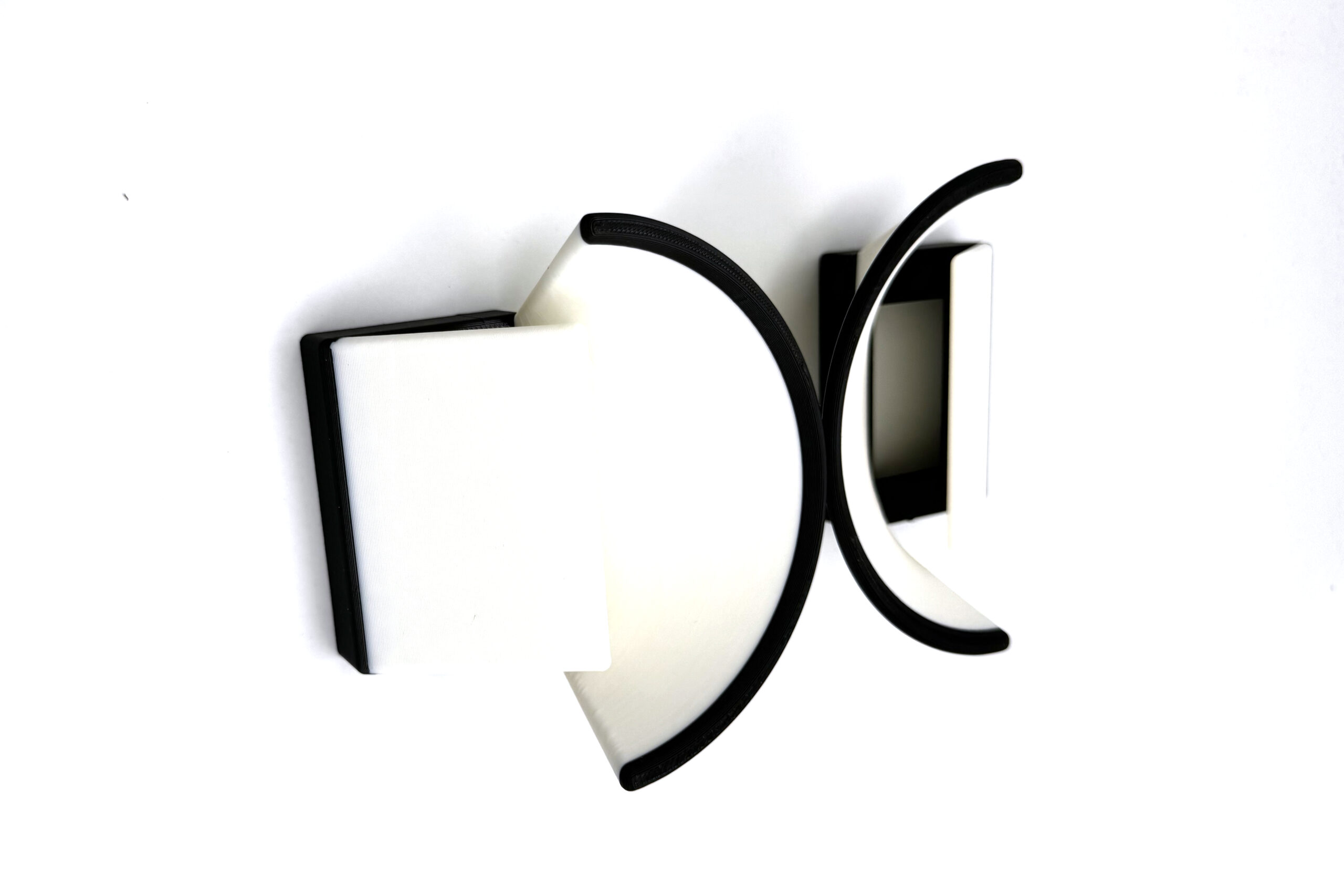
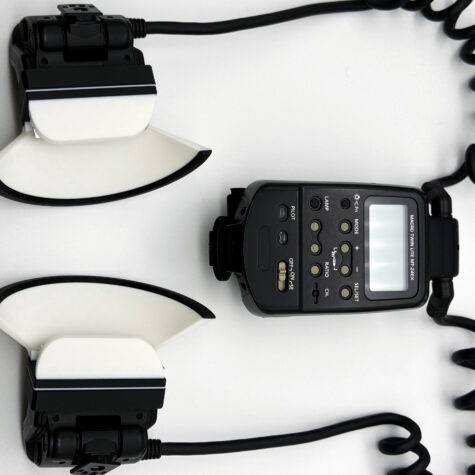
Turtledove Diffusers: Godox MF12 Wireless Flash (Set of 2)
This diffuser is custom designed for the Godox MF12 Twin Lite Macro Flash. The inner deflector reflects light onto the conical structure of the diffuser. This section projects soft light onto your subject without losing too much light form the source. These diffusers are a must have for any photographer working with the MF12 Flash by Godox!
These dual diffusers no longer warm the subject and cast a brighter, more lively look onto your subject. Phew!! A rigid macro diffuser that withstands heavy field use.
Mirror tests shown below indicate the level of diffusion offered by the Turtledove Diffusers. Flash and camera settings are at Flash 1/32, EXP 1/200, f4.0, and ISO 200.
This diffuser is custom designed for the Canon MT-26EX-RT Twin Lite Macro Flash. The inner deflector reflects light onto the conical structure of the diffuser. This section projects soft light onto your subject without losing too much light form the source. These diffusers are a must have for any photographer working with the MT-26EX-RT Flash by Canon!
These dual diffusers no longer warm the subject and cast a brighter, more lively look onto your subject. Phew!! A rigid macro diffuser that works well in heavy field use.
Mirror tests shown below indicate the level of diffusion offered by the Turtledove Diffusers. Flash and camera settings are at Flash 1/32, EXP 1/200, f4.0, and ISO 200.
This diffuser is custom designed for the Yongnuo YN-24EX TTL Twin Lite Macro Flash. The inner deflector reflects light onto the conical structure of the diffuser. This section projects soft light onto your subject without losing too much light form the source. These diffusers are a must have for any photographer working with the YN-24EX TTL Flash by Yongnuo!
These dual diffusers no longer warm the subject and cast a brighter, more lively look onto your subject. Phew!! A rigid macro diffuser to withstand heavy field use.
Mirror tests shown below indicate the level of diffusion offered by the Turtledove Diffusers. Flash and camera settings are at Flash 1/32, EXP 1/200, f4.0, and ISO 200.
Turtledove Diffusers: Canon MT-24 EX Twin Lite Flash
This diffuser is custom designed for the Canon MT-24EX Twin Lite Macro Flash. The inner deflector reflects light onto the conical structure of the diffuser. This section projects soft light onto your subject without losing too much light form the source. These diffusers are a must have for any photographer working with the MT-24 EX Flash by Canon!
NOTE* This older diffuser shown in the video below created a slight warming effect and a manual color temperature of ~5000 K needed to be used to mitigate. These dual diffusers no longer warm the subject and cast a brighter, more lively look onto your subject. Phew!! A rigid macro diffuser to withstand all heavy field use.
Mirror tests shown below indicate the level of diffusion offered by the Turtledove Diffusers. Flash and camera settings are at Flash 1/32, EXP 1/200, f4.0, and ISO 200.
Corylus americana, the American Hazelnut, is a species of the genus Corylus that is native to eastern North America. It is a medium to large shrub that under some conditions can take the form of a small tree.
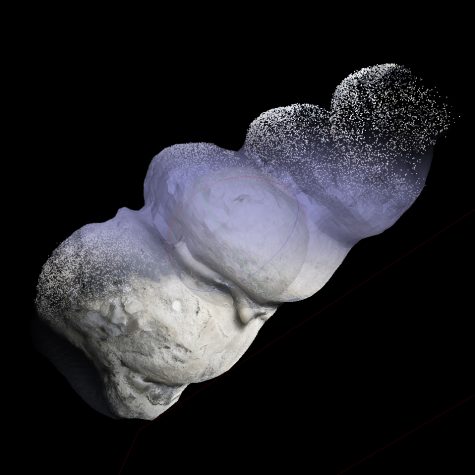
The class Gastropoda contains a vast total of named species, second only to the insects in overall number. The fossil history of this class goes back to the Late Cambrian. There are 611 families of gastropods known, of which 202 are extinct and appear only in the fossil record.
The Phasmatodea are an order of insects, whose members are variously known as stick insects (in Europe and Australasia), walking sticks or stick-bugs (in the United States and Canada), phasmids, ghost insects and leaf insects (generally the family Phylliidae). The ordinal name is derived from the Ancient Greek φάσμα phasma, meaning an apparition or phantom, and refers to the resemblance of many species to sticks or leaves. Their natural camouflage can make them extremely difficult to spot. Phasmatodea can be found all over the world in warmer zones, especially the tropics and subtropics. The greatest diversity is found in Southeast Asia and South America, followed by Australia. Phasmids also have a considerable presence in the continental United States, mainly in the Southeast.

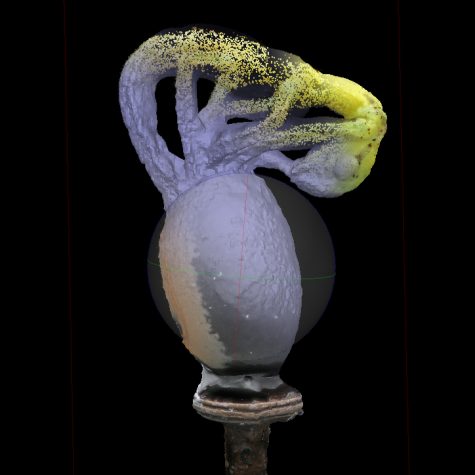 Hatching Stick Insect