Showing 1–16 of 55 resultsSorted by price: high to low
Select options
This product has multiple variants. The options may be chosen on the product page
$19.00–$400.00Price range: $19.00 through $400.00
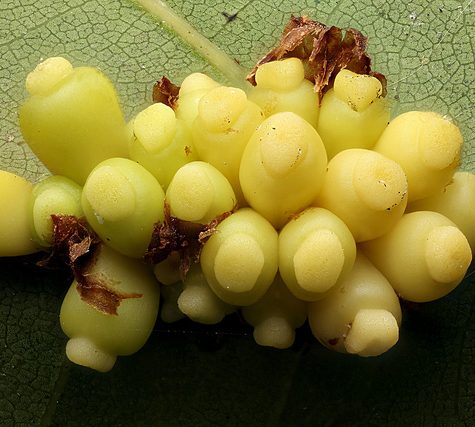
Plant Galls
Galls or cecidia are a kind of swelling growth on the external tissues of plants or animals. Plant galls are abnormal outgrowths[1] of plant tissues, similar to benign tumors or warts in animals. They can be caused by various parasites, from fungi and bacteria, to insects and mites. Plant galls are often highly organized structures and because of this the cause of the gall can often be determined without the actual agent being identified. This applies particularly to some insect and mite plant galls. The study of plant galls is known as cecidology.
Select options
This product has multiple variants. The options may be chosen on the product page
$19.00–$400.00Price range: $19.00 through $400.00
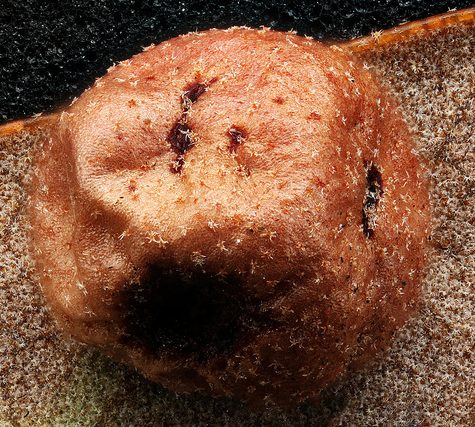
Gall from Austin TX
Galls or cecidia are a kind of swelling growth on the external tissues of plants or animals. Plant galls are abnormal outgrowths[1] of plant tissues, similar to benign tumors or warts in animals. They can be caused by various parasites, from fungi and bacteria, to insects and mites. Plant galls are often highly organized structures and because of this the cause of the gall can often be determined without the actual agent being identified. This applies particularly to some insect and mite plant galls. The study of plant galls is known as cecidology.
Select options
This product has multiple variants. The options may be chosen on the product page
$19.00–$400.00Price range: $19.00 through $400.00
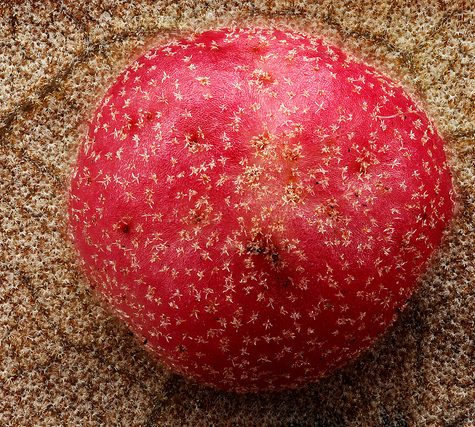
Gall from Austin TX
Galls or cecidia are a kind of swelling growth on the external tissues of plants or animals. Plant galls are abnormal outgrowths[1] of plant tissues, similar to benign tumors or warts in animals. They can be caused by various parasites, from fungi and bacteria, to insects and mites. Plant galls are often highly organized structures and because of this the cause of the gall can often be determined without the actual agent being identified. This applies particularly to some insect and mite plant galls. The study of plant galls is known as cecidology.
Select options
This product has multiple variants. The options may be chosen on the product page
$19.00–$400.00Price range: $19.00 through $400.00
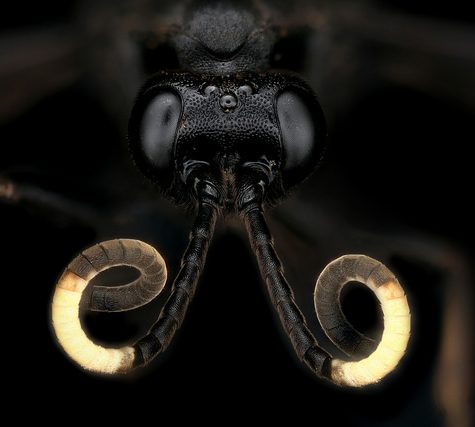
Spider Wasp, Mansfield CT
Wasps in the family Pompilidae are commonly called spider wasps or pompilid wasps.[1]The family is cosmopolitan, with some 5,000 species in six subfamilies.[2] All species are solitary, and most capture and paralyze prey, though members of the subfamily Ceropalinae are cleptoparasites of other pompilids, or ectoparasitoids of living spiders.[3]
In South America, species may be referred to colloquially as marabunta or marimbondo, though these names can be generally applied to any very large stinging wasps. Furthermore, in some parts of Venezuela and Colombia, it is called matacaballos, or “horse killers”, while in Brazil some particular bigger and brighter species of the general marimbondo kind might be called fecha-goela, or “throat locker”.
Select options
This product has multiple variants. The options may be chosen on the product page
$19.00–$400.00Price range: $19.00 through $400.00
Dewey Millipede on Unknown Tree Bud Scale Bar
Myriapoda is a subphylum of arthropods containing millipedes, centipedes, and others. The group contains over 16,000 species, most of which are terrestrial.[2]Although their name suggests they have myriad (10,000) legs, myriapods range from having up to 750 legs (the millipede Illacme plenipes)[3]to having fewer than ten legs.
Select options
This product has multiple variants. The options may be chosen on the product page
Select options
This product has multiple variants. The options may be chosen on the product page
$19.00–$400.00Price range: $19.00 through $400.00
Engorged Dog Tick
Dermacentor variabilis, also known as the American dog tick or wood tick, is a species of tick that is known to carry bacteria responsible for several diseases in humans, including Rocky Mountain spotted fever and tularemia (Francisella tularensis). It is one of the most well-known hard ticks. Diseases are spread when it sucks blood from the host, which could take several days for the host to experience some symptoms.
Select options
This product has multiple variants. The options may be chosen on the product page
Select options
This product has multiple variants. The options may be chosen on the product page
$19.00–$400.00Price range: $19.00 through $400.00
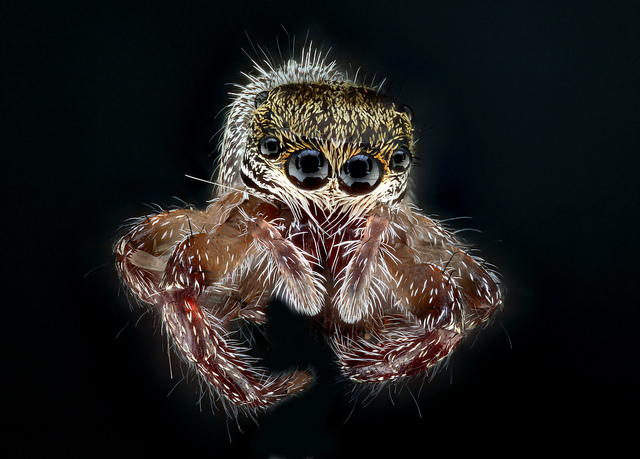
Phidippus princeps
Phidippus princeps is a rare species of jumping spider found in Canada and the United States. These jumping spiders’ vision exceeds by a factor of ten that of dragonflies, which have the best vision among insects.
Select options
This product has multiple variants. The options may be chosen on the product page
$19.00–$400.00Price range: $19.00 through $400.00
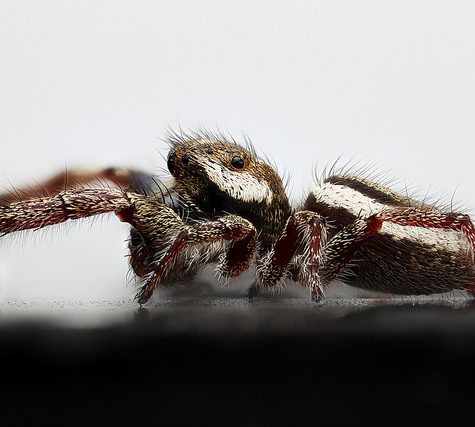
Phidippus princeps
Phidippus princeps is a rare species of jumping spider found in Canada and the United States. These jumping spiders’ vision exceeds by a factor of ten that of dragonflies, which have the best vision among insects.
Select options
This product has multiple variants. The options may be chosen on the product page
$19.00–$400.00Price range: $19.00 through $400.00
Engorged Dog Tick
Dermacentor variabilis, also known as the American dog tick or wood tick, is a species of tick that is known to carry bacteria responsible for several diseases in humans, including Rocky Mountain spotted fever and tularemia (Francisella tularensis). It is one of the most well-known hard ticks. Diseases are spread when it sucks blood from the host, which could take several days for the host to experience some symptoms.
Select options
This product has multiple variants. The options may be chosen on the product page
Select options
This product has multiple variants. The options may be chosen on the product page
$19.00–$400.00Price range: $19.00 through $400.00
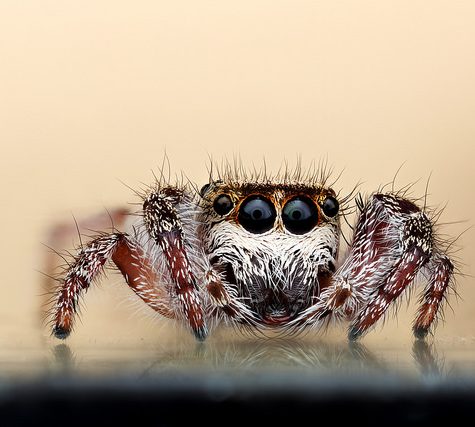
Phidippus princeps
Phidippus princeps is a rare species of jumping spider found in Canada and the United States. These jumping spiders’ vision exceeds by a factor of ten that of dragonflies, which have the best vision among insects.
Select options
This product has multiple variants. The options may be chosen on the product page
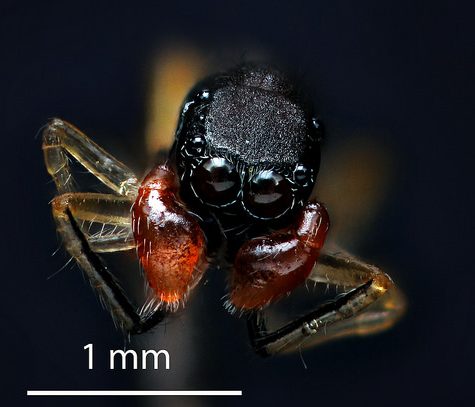
Ant mimicry or myrmecomorphy is mimicry of ants by other organisms. Ants are abundant all over the world, and potential predators that rely on vision to identify their prey, such as birds and wasps, normally avoid them, because they are either unpalatable or aggressive. Some arthropods mimic ants to escape predation (protective mimicry), while others mimic ants anatomically and behaviourally to hunt ants (aggressive mimicry).[1]
To overcome ants’ powerful defences, mimics may imitate ants chemically (Wasmannian mimicry) with ant-like pheromones, visually (as in Batesian mimicry, though the purpose may also be aggressive mimicry), or by copying microstructure for tactile mimicry.[2]
Select options
This product has multiple variants. The options may be chosen on the product page
$19.00–$400.00Price range: $19.00 through $400.00
Dewey Millipede on Unknown Tree Bud
Myriapoda is a subphylum of arthropods containing millipedes, centipedes, and others. The group contains over 16,000 species, most of which are terrestrial.[2]Although their name suggests they have myriad (10,000) legs, myriapods range from having up to 750 legs (the millipede Illacme plenipes)[3]to having fewer than ten legs.
Select options
This product has multiple variants. The options may be chosen on the product page