Ginkgo is a monotypic genus of highly unusual non-flowering plants. The scientific name is also used as the English name. The order to which it belongs, Ginkgoales, first appeared in the Permian,[4] 270 million years ago, possibly derived from “seed ferns” of the order Peltaspermales, and now only contains this single genus and species. The rate of evolution within the genus has been slow, and almost all its species had become extinct by the end of the Pliocene; the exception is the sole living species, Ginkgo biloba, which is only found in the wild in China, but is cultivated across the world. The relationships between ginkgos and other groups of plants are not fully resolved.
Select options
This product has multiple variants. The options may be chosen on the product page
$19.00–$400.00Price range: $19.00 through $400.00
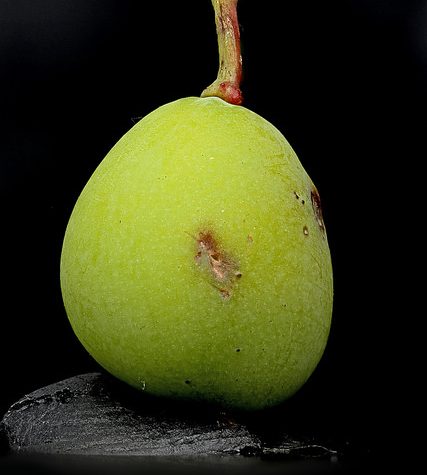
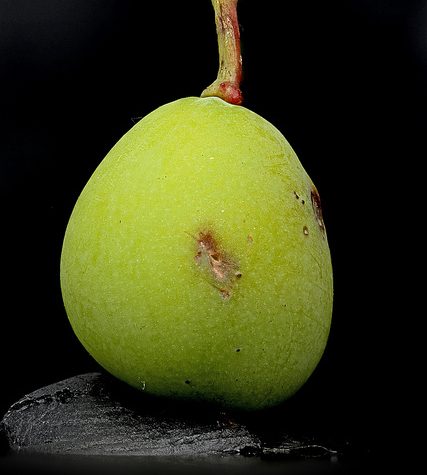
Ginkgo Berry, Portland Oregon, Scalebar
Ginkgo is a monotypic genus of highly unusual non-flowering plants. The scientific name is also used as the English name. The order to which it belongs, Ginkgoales, first appeared in the Permian,[4] 270 million years ago, possibly derived from “seed ferns” of the order Peltaspermales, and now only contains this single genus and species. The rate of evolution within the genus has been slow, and almost all its species had become extinct by the end of the Pliocene; the exception is the sole living species, Ginkgo biloba, which is only found in the wild in China, but is cultivated across the world. The relationships between ginkgos and other groups of plants are not fully resolved.
Select options
This product has multiple variants. The options may be chosen on the product page
$19.00–$400.00Price range: $19.00 through $400.00
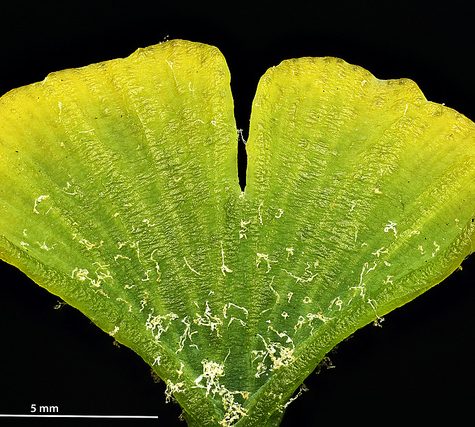
Ginkgo Leaf, Portland Oregon, Scalebar
Ginkgo is a monotypic genus of highly unusual non-flowering plants. The scientific name is also used as the English name. The order to which it belongs, Ginkgoales, first appeared in the Permian,[4] 270 million years ago, possibly derived from “seed ferns” of the order Peltaspermales, and now only contains this single genus and species. The rate of evolution within the genus has been slow, and almost all its species had become extinct by the end of the Pliocene; the exception is the sole living species, Ginkgo biloba, which is only found in the wild in China, but is cultivated across the world. The relationships between ginkgos and other groups of plants are not fully resolved.
Select options
This product has multiple variants. The options may be chosen on the product page
$19.00–$400.00Price range: $19.00 through $400.00
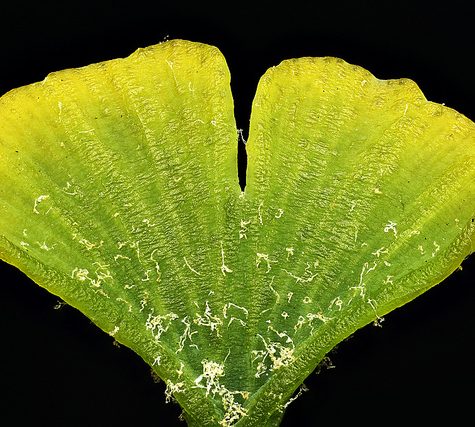
Ginkgo Leaf, Portland Oregon
Ginkgo is a monotypic genus of highly unusual non-flowering plants. The scientific name is also used as the English name. The order to which it belongs, Ginkgoales, first appeared in the Permian,[4] 270 million years ago, possibly derived from “seed ferns” of the order Peltaspermales, and now only contains this single genus and species. The rate of evolution within the genus has been slow, and almost all its species had become extinct by the end of the Pliocene; the exception is the sole living species, Ginkgo biloba, which is only found in the wild in China, but is cultivated across the world. The relationships between ginkgos and other groups of plants are not fully resolved.
Select options
This product has multiple variants. The options may be chosen on the product page

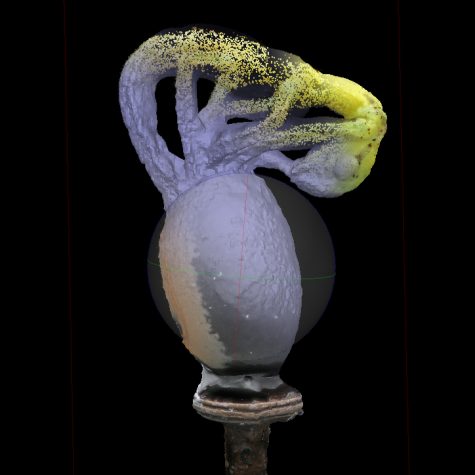 Hatching Stick Insect
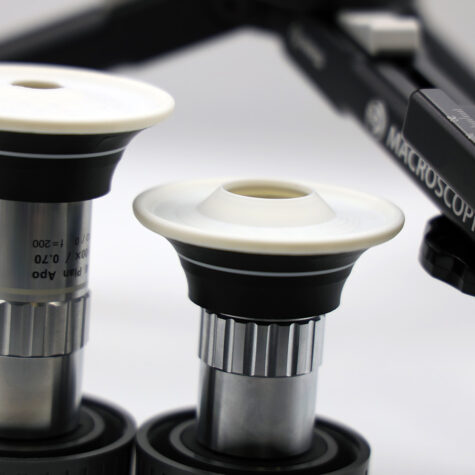 Diffuser for Mitutoyo M Plan APO Objectives
 Premium Training & Support
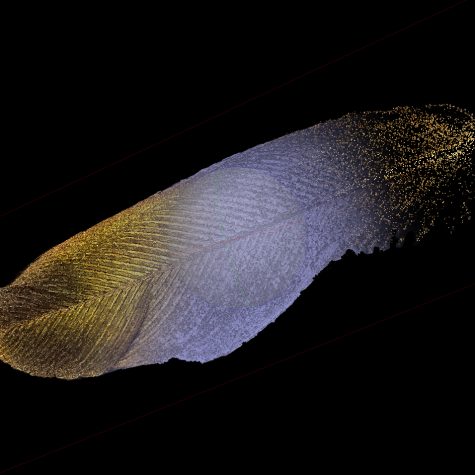 Ruby-throated Hummingbird Tail Feather: 3D Model
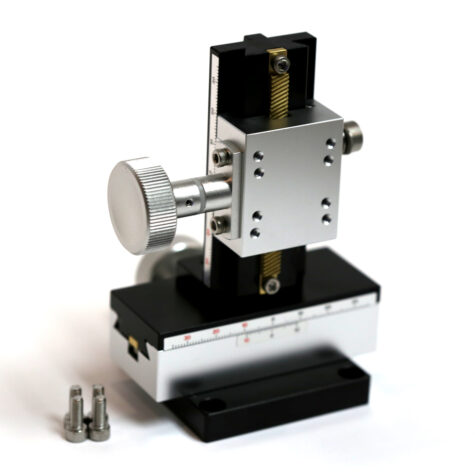 X, Y Translational Stage for Micro/Macro Panoramic Imaging
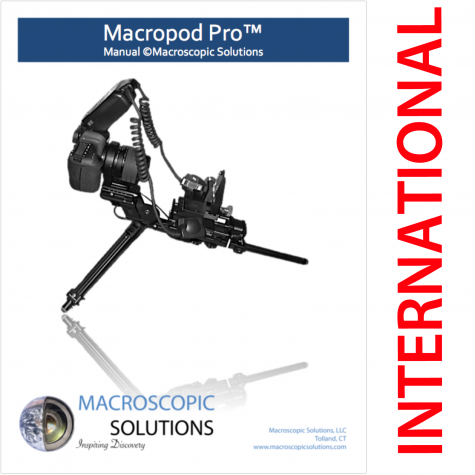 International, Hawaii and Alaska Training & Support
 Diffuser for Canon M-PE 65mm 1-5x