Showing 1–16 of 45 resultsSorted by price: high to low
$19.00–$400.00Price range: $19.00 through $400.00
Eyeliner
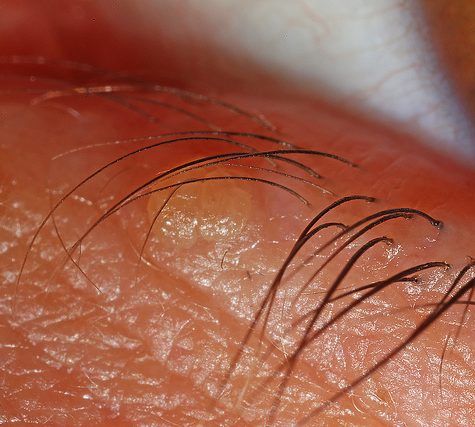
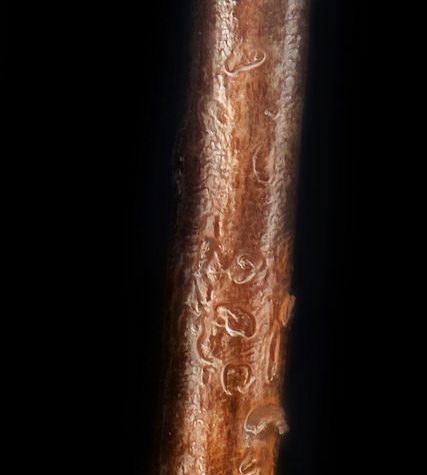
Eye liner was first used in Ancient Egypt and Mesopotamia as a dark black line around the eyes. As early as 10,000 BC, Egyptians and Mo wore various cosmetics including eye liner not only for aesthetics but to protect the skin from the desert sun. Research has also speculated that eye liner was worn to protect the wearer from the evil eye. The characteristic of having heavily lined eyes has been frequently depicted in ancient Egyptian art. They produced eye liner with a variety of materials, including copper ore and antimony. Ancient Egyptian kohl contained galena, which was imported from nearby regions in the Land of Punt, Coptos and Western Asia.[1]
In the 1920s, Tutankhamun‘s tomb was discovered, introducing the use of eye liner to the Western world. The 1920s were an era commonly associated with many changes in women’s fashion, and women felt freer to apply make-up more liberally.
In the 1960s, liquid eye liner was used to create thick black and white lines around the eyes in the make-up fashion associated with designers like Mary Quant.
Select options
This product has multiple variants. The options may be chosen on the product page
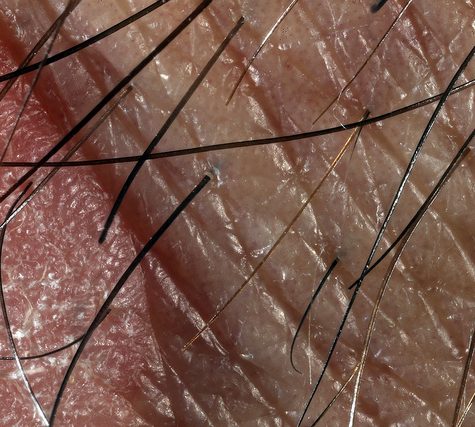
Attitudes towards different hair, such as hairstyles and hair removal, vary widely across different cultures and historical periods, but it is often used to indicate a person’s personal beliefs or social position, such as their age, sex, or religion.[1]
Select options
This product has multiple variants. The options may be chosen on the product page
$19.00–$400.00Price range: $19.00 through $400.00
Beard Hair
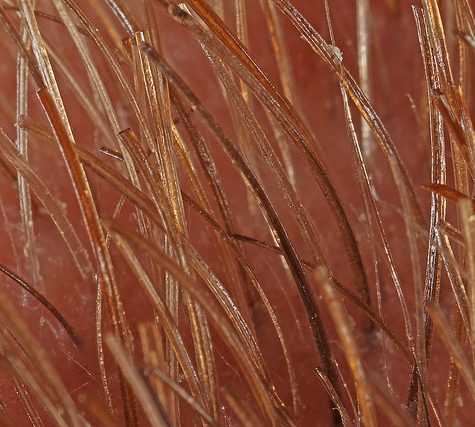
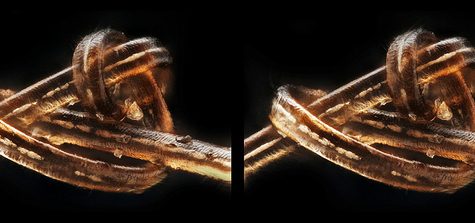
A beard is the collection of hair that grows on the chin and cheeks of humans and some non-human animals. In humans, usually only pubescent or adult males are able to grow beards. From an evolutionary viewpoint the beard is a part of the broader category of androgenic hair. It is a vestigial trait from a time when humans had hair on their face and entire body like the hair on gorillas. The evolutionary loss of hair is pronounced in some populations such as indigenous Americans and some east Asian populations, who have less facial hair, whereas people of European or South Asian ancestry and the Ainu have more facial hair. Women with hirsutism, a hormonal condition of increased hairiness, may develop a beard.
Select options
This product has multiple variants. The options may be chosen on the product page
Attitudes towards different hair, such as hairstyles and hair removal, vary widely across different cultures and historical periods, but it is often used to indicate a person’s personal beliefs or social position, such as their age, sex, or religion.[1]
Select options
This product has multiple variants. The options may be chosen on the product page
Attitudes towards different hair, such as hairstyles and hair removal, vary widely across different cultures and historical periods, but it is often used to indicate a person’s personal beliefs or social position, such as their age, sex, or religion.[1]
Select options
This product has multiple variants. The options may be chosen on the product page
Attitudes towards different hair, such as hairstyles and hair removal, vary widely across different cultures and historical periods, but it is often used to indicate a person’s personal beliefs or social position, such as their age, sex, or religion.[1]
Select options
This product has multiple variants. The options may be chosen on the product page
Attitudes towards different hair, such as hairstyles and hair removal, vary widely across different cultures and historical periods, but it is often used to indicate a person’s personal beliefs or social position, such as their age, sex, or religion.[1]
Select options
This product has multiple variants. The options may be chosen on the product page
Attitudes towards different hair, such as hairstyles and hair removal, vary widely across different cultures and historical periods, but it is often used to indicate a person’s personal beliefs or social position, such as their age, sex, or religion.[1]
Select options
This product has multiple variants. The options may be chosen on the product page
Attitudes towards different hair, such as hairstyles and hair removal, vary widely across different cultures and historical periods, but it is often used to indicate a person’s personal beliefs or social position, such as their age, sex, or religion.[1]
Select options
This product has multiple variants. The options may be chosen on the product page
$19.00–$400.00Price range: $19.00 through $400.00
Hair Follicle
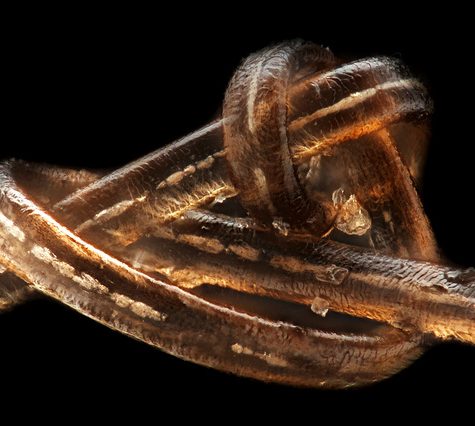
A hair follicle is a mammalianskinorgan that produces hair. Hair production occurs in phases, including growth (anagen), cessation (catagen), and rest (telogen) phases. Stem cells are responsible for hair production. The shape of the hair follicle has an effect on the hair shape and texture of the individual’s hair.
Follicles are composed of epidermal cells and are made up of the bulb which is innervated and the papilla which is responsible for accessing the blood supply.
Select options
This product has multiple variants. The options may be chosen on the product page
$19.00–$400.00Price range: $19.00 through $400.00
Hair Follicle
A hair follicle is a mammalianskinorgan that produces hair. Hair production occurs in phases, including growth (anagen), cessation (catagen), and rest (telogen) phases. Stem cells are responsible for hair production. The shape of the hair follicle has an effect on the hair shape and texture of the individual’s hair.
Follicles are composed of epidermal cells and are made up of the bulb which is innervated and the papilla which is responsible for accessing the blood supply.
Select options
This product has multiple variants. The options may be chosen on the product page
$19.00–$400.00Price range: $19.00 through $400.00
Beard Hair
A beard is the collection of hair that grows on the chin and cheeks of humans and some non-human animals. In humans, usually only pubescent or adult males are able to grow beards. From an evolutionary viewpoint the beard is a part of the broader category of androgenic hair. It is a vestigial trait from a time when humans had hair on their face and entire body like the hair on gorillas. The evolutionary loss of hair is pronounced in some populations such as indigenous Americans and some east Asian populations, who have less facial hair, whereas people of European or South Asian ancestry and the Ainu have more facial hair. Women with hirsutism, a hormonal condition of increased hairiness, may develop a beard.
Select options
This product has multiple variants. The options may be chosen on the product page
$19.00–$400.00Price range: $19.00 through $400.00
Beard Hair
A beard is the collection of hair that grows on the chin and cheeks of humans and some non-human animals. In humans, usually only pubescent or adult males are able to grow beards. From an evolutionary viewpoint the beard is a part of the broader category of androgenic hair. It is a vestigial trait from a time when humans had hair on their face and entire body like the hair on gorillas. The evolutionary loss of hair is pronounced in some populations such as indigenous Americans and some east Asian populations, who have less facial hair, whereas people of European or South Asian ancestry and the Ainu have more facial hair. Women with hirsutism, a hormonal condition of increased hairiness, may develop a beard.
Select options
This product has multiple variants. The options may be chosen on the product page
$19.00–$400.00Price range: $19.00 through $400.00
Eyeliner
Eye liner was first used in Ancient Egypt and Mesopotamia as a dark black line around the eyes. As early as 10,000 BC, Egyptians and Mo wore various cosmetics including eye liner not only for aesthetics but to protect the skin from the desert sun. Research has also speculated that eye liner was worn to protect the wearer from the evil eye. The characteristic of having heavily lined eyes has been frequently depicted in ancient Egyptian art. They produced eye liner with a variety of materials, including copper ore and antimony. Ancient Egyptian kohl contained galena, which was imported from nearby regions in the Land of Punt, Coptos and Western Asia.[1]
In the 1920s, Tutankhamun‘s tomb was discovered, introducing the use of eye liner to the Western world. The 1920s were an era commonly associated with many changes in women’s fashion, and women felt freer to apply make-up more liberally.
In the 1960s, liquid eye liner was used to create thick black and white lines around the eyes in the make-up fashion associated with designers like Mary Quant.
Select options
This product has multiple variants. The options may be chosen on the product page
$19.00–$400.00Price range: $19.00 through $400.00
Eyeliner
Eye liner was first used in Ancient Egypt and Mesopotamia as a dark black line around the eyes. As early as 10,000 BC, Egyptians and Mo wore various cosmetics including eye liner not only for aesthetics but to protect the skin from the desert sun. Research has also speculated that eye liner was worn to protect the wearer from the evil eye. The characteristic of having heavily lined eyes has been frequently depicted in ancient Egyptian art. They produced eye liner with a variety of materials, including copper ore and antimony. Ancient Egyptian kohl contained galena, which was imported from nearby regions in the Land of Punt, Coptos and Western Asia.[1]
In the 1920s, Tutankhamun‘s tomb was discovered, introducing the use of eye liner to the Western world. The 1920s were an era commonly associated with many changes in women’s fashion, and women felt freer to apply make-up more liberally.
In the 1960s, liquid eye liner was used to create thick black and white lines around the eyes in the make-up fashion associated with designers like Mary Quant.
Select options
This product has multiple variants. The options may be chosen on the product page
$19.00–$400.00Price range: $19.00 through $400.00
Eyeliner
Eye liner was first used in Ancient Egypt and Mesopotamia as a dark black line around the eyes. As early as 10,000 BC, Egyptians and Mo wore various cosmetics including eye liner not only for aesthetics but to protect the skin from the desert sun. Research has also speculated that eye liner was worn to protect the wearer from the evil eye. The characteristic of having heavily lined eyes has been frequently depicted in ancient Egyptian art. They produced eye liner with a variety of materials, including copper ore and antimony. Ancient Egyptian kohl contained galena, which was imported from nearby regions in the Land of Punt, Coptos and Western Asia.[1]
In the 1920s, Tutankhamun‘s tomb was discovered, introducing the use of eye liner to the Western world. The 1920s were an era commonly associated with many changes in women’s fashion, and women felt freer to apply make-up more liberally.
In the 1960s, liquid eye liner was used to create thick black and white lines around the eyes in the make-up fashion associated with designers like Mary Quant.
Select options
This product has multiple variants. The options may be chosen on the product page