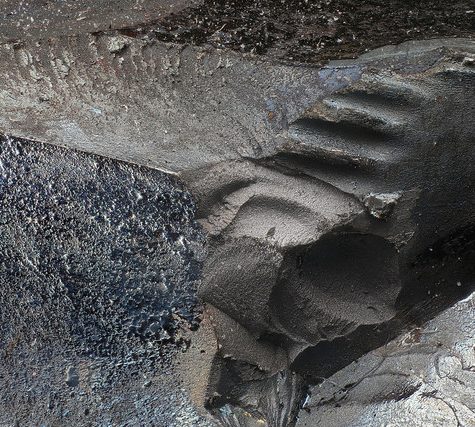
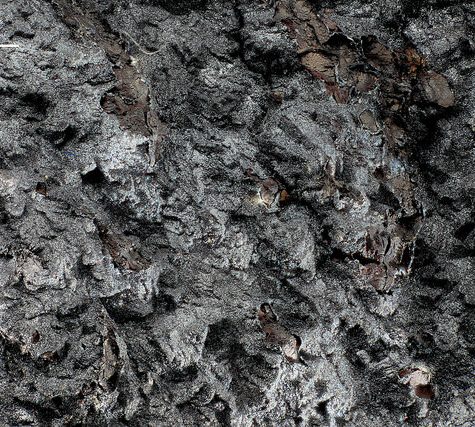
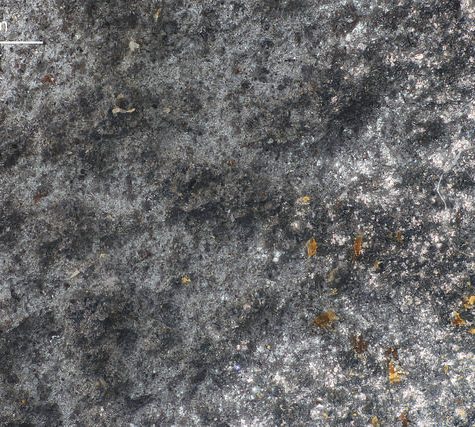
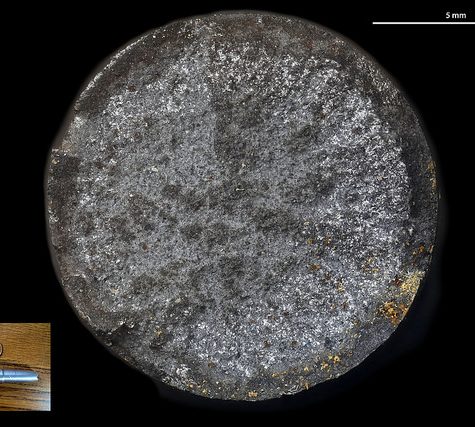
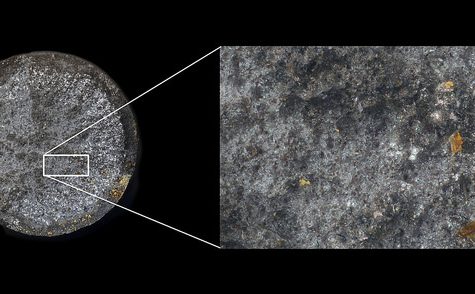
Metal testing is a process or procedure used to check composition of an unknown metallic substance. There are destructive processes and nondestructive processes. Metal testing can also include, determining the properties of newly forged metal alloys. With many chemical-property databases readily available, identification of unmarked pure,common metals can be a quick and easy process. Leaving the original sample in complete, re-usable condition. This type of testing is nondestructive. When working with alloys (forged mixtures) of metals however, to determine the exact composition, could result in the original sample being separated into its starting materials, then measured and calculated. After the components are known they can be looked up and matched to known alloys. The original sample would be destroyed in the process. This type of testing is destructive.

Metal testing is a process or procedure used to check composition of an unknown metallic substance. There are destructive processes and nondestructive processes. Metal testing can also include, determining the properties of newly forged metal alloys. With many chemical-property databases readily available, identification of unmarked pure,common metals can be a quick and easy process. Leaving the original sample in complete, re-usable condition. This type of testing is nondestructive. When working with alloys (forged mixtures) of metals however, to determine the exact composition, could result in the original sample being separated into its starting materials, then measured and calculated. After the components are known they can be looked up and matched to known alloys. The original sample would be destroyed in the process. This type of testing is destructive.

Metal testing is a process or procedure used to check composition of an unknown metallic substance. There are destructive processes and nondestructive processes. Metal testing can also include, determining the properties of newly forged metal alloys. With many chemical-property databases readily available, identification of unmarked pure,common metals can be a quick and easy process. Leaving the original sample in complete, re-usable condition. This type of testing is nondestructive. When working with alloys (forged mixtures) of metals however, to determine the exact composition, could result in the original sample being separated into its starting materials, then measured and calculated. After the components are known they can be looked up and matched to known alloys. The original sample would be destroyed in the process. This type of testing is destructive.

Metal testing is a process or procedure used to check composition of an unknown metallic substance. There are destructive processes and nondestructive processes. Metal testing can also include, determining the properties of newly forged metal alloys. With many chemical-property databases readily available, identification of unmarked pure,common metals can be a quick and easy process. Leaving the original sample in complete, re-usable condition. This type of testing is nondestructive. When working with alloys (forged mixtures) of metals however, to determine the exact composition, could result in the original sample being separated into its starting materials, then measured and calculated. After the components are known they can be looked up and matched to known alloys. The original sample would be destroyed in the process. This type of testing is destructive.

Metal testing is a process or procedure used to check composition of an unknown metallic substance. There are destructive processes and nondestructive processes. Metal testing can also include, determining the properties of newly forged metal alloys. With many chemical-property databases readily available, identification of unmarked pure,common metals can be a quick and easy process. Leaving the original sample in complete, re-usable condition. This type of testing is nondestructive. When working with alloys (forged mixtures) of metals however, to determine the exact composition, could result in the original sample being separated into its starting materials, then measured and calculated. After the components are known they can be looked up and matched to known alloys. The original sample would be destroyed in the process. This type of testing is destructive.

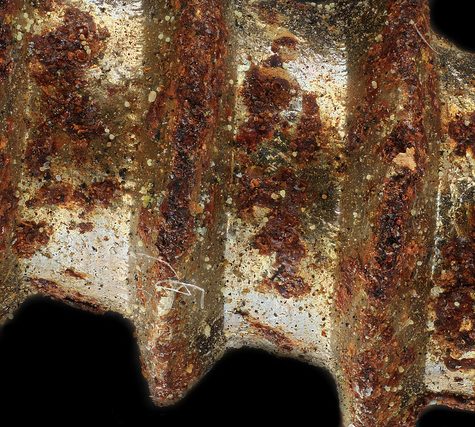
A screw is a type of fastener, sometimes similar to a bolt (see Differentiation between bolt and screw below), typically made of metal, and characterized by a helical ridge, known as a male thread (external thread) or just thread.
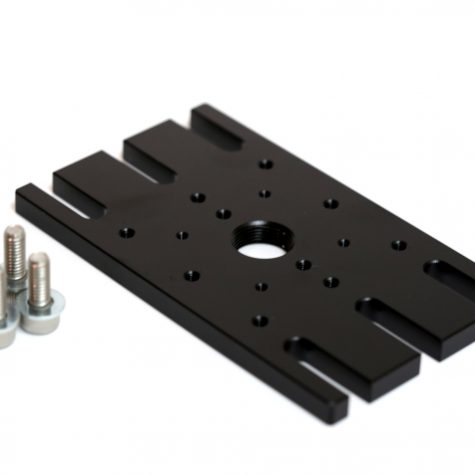
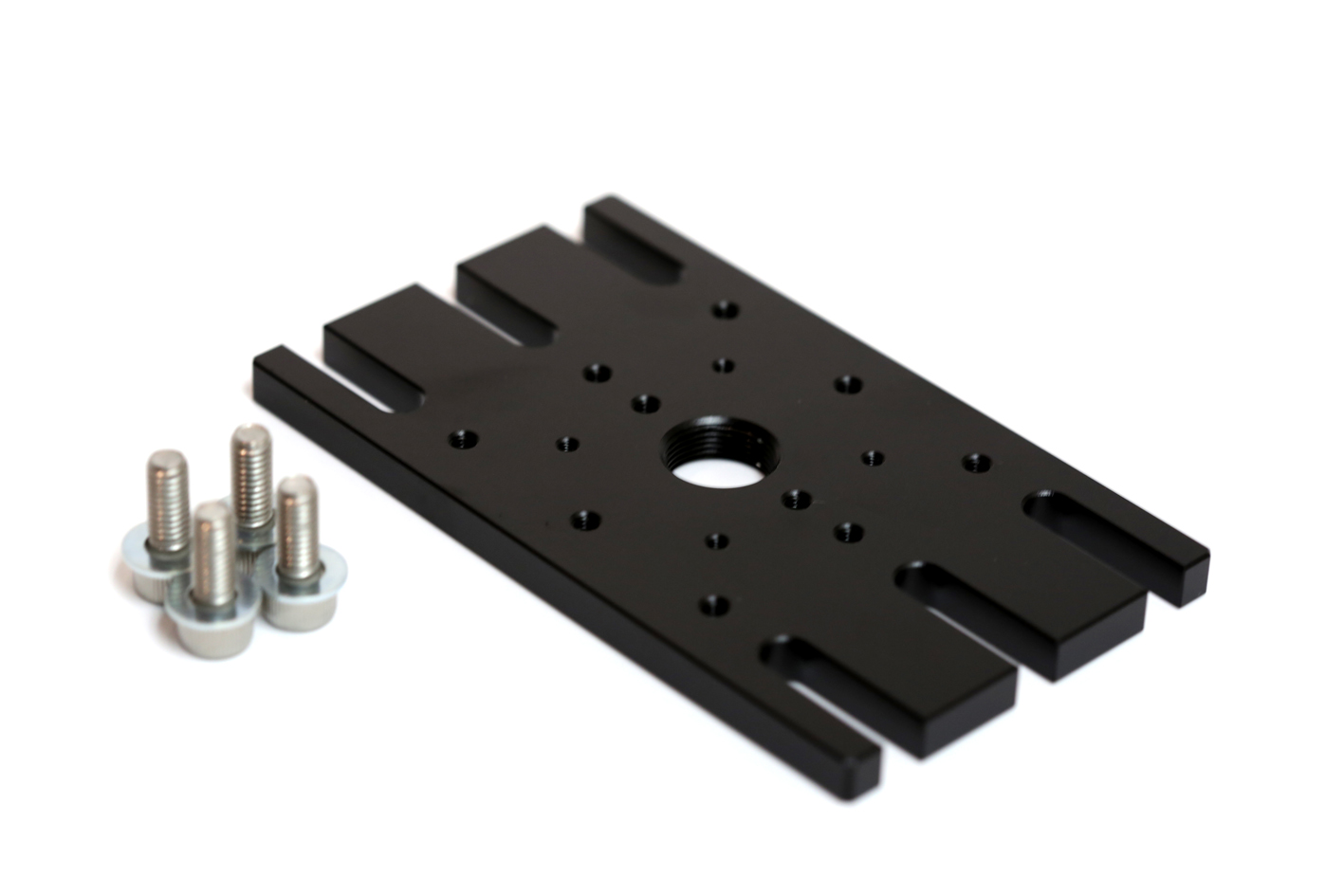
The base plate is designed to fix the x, y translational stage (not included) and the rotary stage (not included) to a sturdy platform. 
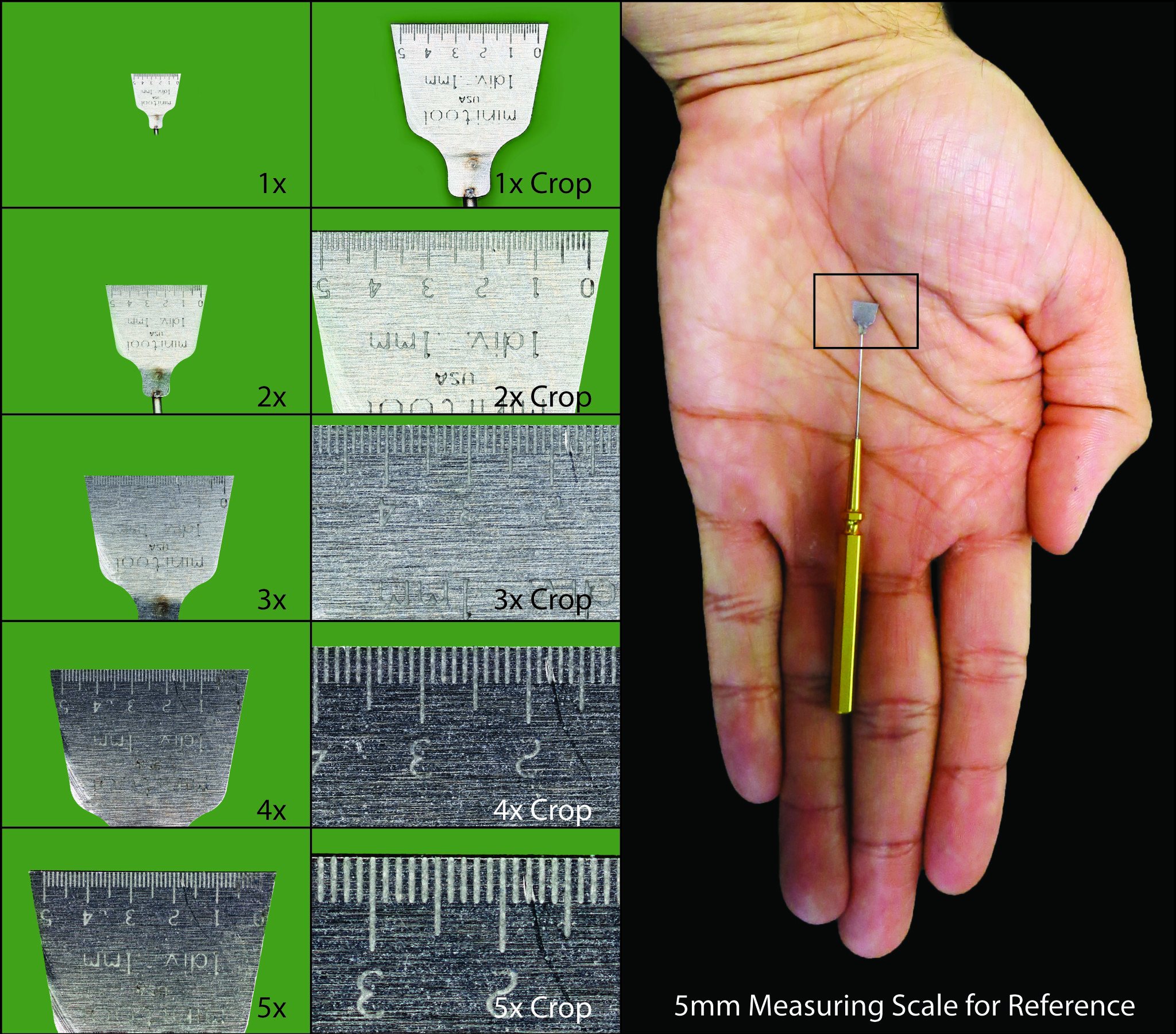
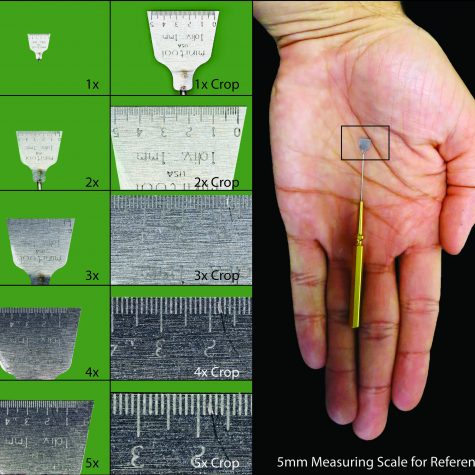
5mm Scale, 027 (calibrated to 0.1mm, 5mm range)

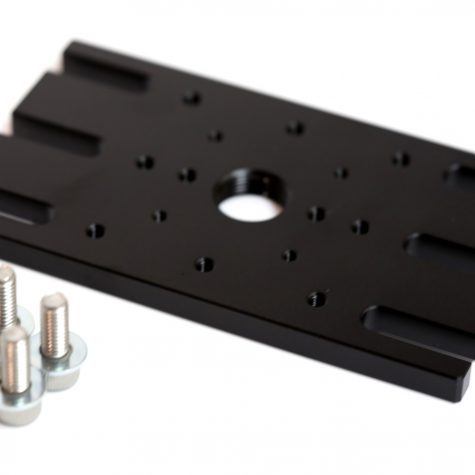
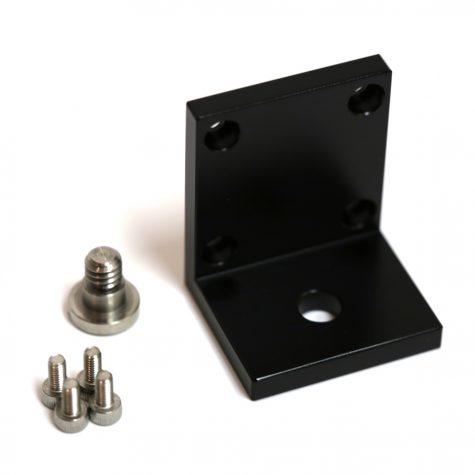
The L base plate is designed to mount samples to the x, y translational stage (not included).

X, Y Translational Stage for Micro/Macro Panoramic Imaging

Hatching Stick Insect
Rotary Stage for Manual Micro/Macro 3D Imaging
EOS-1D X Mark III Body Kit
Turtledove Diffusers: Canon MT-24 EX Twin Lite Flash
Ruby-throated Hummingbird Tail Feather: 3D Model
5mm Scale, 027 (calibrated to 0.1mm, 5mm range)