Select options
This product has multiple variants. The options may be chosen on the product page
$19.00–$400.00Price range: $19.00 through $400.00
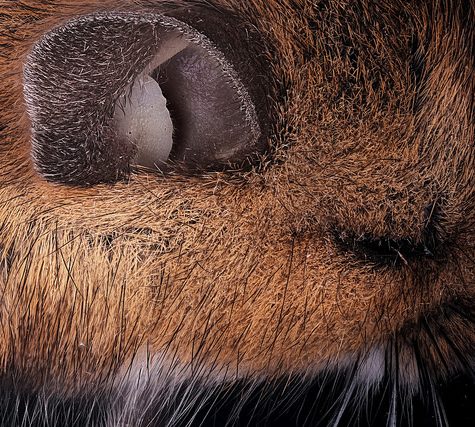
Field Mouse, Head
The wood mouse (Apodemus sylvaticus) is a common murid rodent from Europe and northwestern Africa. It is closely related to the yellow-necked mouse(Apodemus flavicollis) but differs in that it has no band of yellow fur around the neck, has slightly smaller ears, and is usually slightly smaller overall: around 90 mm (3.54 in) in length. It is found across most of Europe and is a very common and widespread species, is commensal with people and is sometimes considered a pest.[1] Other common names are long-tailed field mouse, field mouse, common field mouse, and European wood mouse.[2]
Select options
This product has multiple variants. The options may be chosen on the product page
$19.00–$400.00Price range: $19.00 through $400.00
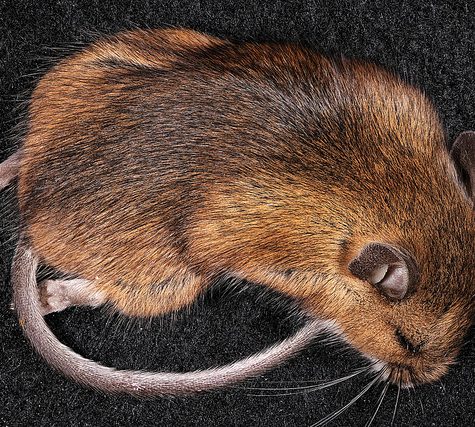
Field Mouse, Dorsal
The wood mouse (Apodemus sylvaticus) is a common murid rodent from Europe and northwestern Africa. It is closely related to the yellow-necked mouse(Apodemus flavicollis) but differs in that it has no band of yellow fur around the neck, has slightly smaller ears, and is usually slightly smaller overall: around 90 mm (3.54 in) in length. It is found across most of Europe and is a very common and widespread species, is commensal with people and is sometimes considered a pest.[1] Other common names are long-tailed field mouse, field mouse, common field mouse, and European wood mouse.[2]
Select options
This product has multiple variants. The options may be chosen on the product page
$19.00–$400.00Price range: $19.00 through $400.00
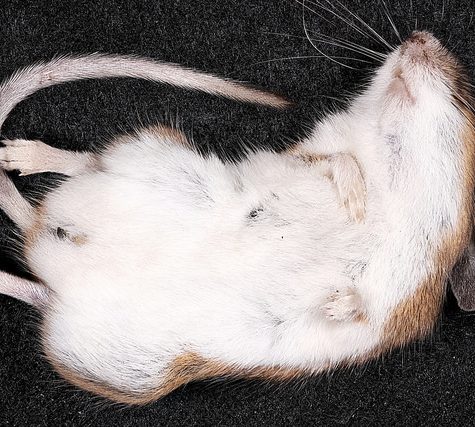
Field Mouse, Ventral
The wood mouse (Apodemus sylvaticus) is a common murid rodent from Europe and northwestern Africa. It is closely related to the yellow-necked mouse(Apodemus flavicollis) but differs in that it has no band of yellow fur around the neck, has slightly smaller ears, and is usually slightly smaller overall: around 90 mm (3.54 in) in length. It is found across most of Europe and is a very common and widespread species, is commensal with people and is sometimes considered a pest.[1] Other common names are long-tailed field mouse, field mouse, common field mouse, and European wood mouse.[2]
Select options
This product has multiple variants. The options may be chosen on the product page
$19.00–$400.00Price range: $19.00 through $400.00
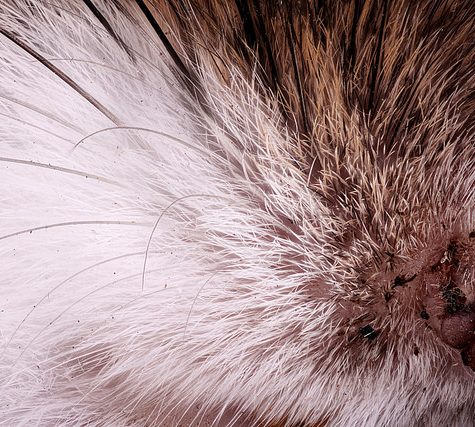
Field Mouse, Nose
The wood mouse (Apodemus sylvaticus) is a common murid rodent from Europe and northwestern Africa. It is closely related to the yellow-necked mouse(Apodemus flavicollis) but differs in that it has no band of yellow fur around the neck, has slightly smaller ears, and is usually slightly smaller overall: around 90 mm (3.54 in) in length. It is found across most of Europe and is a very common and widespread species, is commensal with people and is sometimes considered a pest.[1] Other common names are long-tailed field mouse, field mouse, common field mouse, and European wood mouse.[2]
Select options
This product has multiple variants. The options may be chosen on the product page
$19.00–$400.00Price range: $19.00 through $400.00
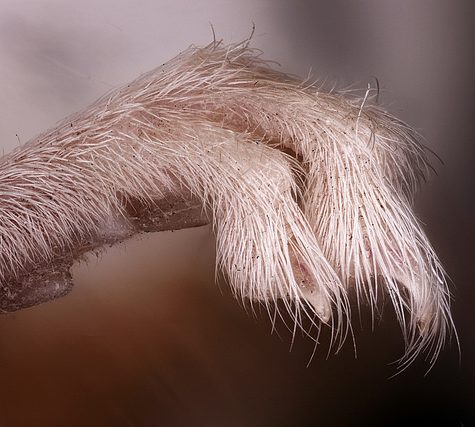
Field Mouse, Foot
The wood mouse (Apodemus sylvaticus) is a common murid rodent from Europe and northwestern Africa. It is closely related to the yellow-necked mouse(Apodemus flavicollis) but differs in that it has no band of yellow fur around the neck, has slightly smaller ears, and is usually slightly smaller overall: around 90 mm (3.54 in) in length. It is found across most of Europe and is a very common and widespread species, is commensal with people and is sometimes considered a pest.[1] Other common names are long-tailed field mouse, field mouse, common field mouse, and European wood mouse.[2]
Select options
This product has multiple variants. The options may be chosen on the product page
$19.00–$400.00Price range: $19.00 through $400.00
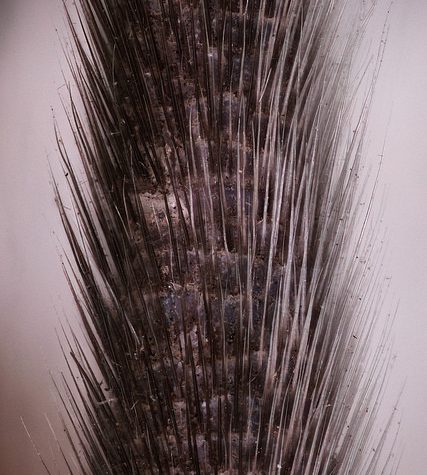
Field Mouse, Tail
The wood mouse (Apodemus sylvaticus) is a common murid rodent from Europe and northwestern Africa. It is closely related to the yellow-necked mouse(Apodemus flavicollis) but differs in that it has no band of yellow fur around the neck, has slightly smaller ears, and is usually slightly smaller overall: around 90 mm (3.54 in) in length. It is found across most of Europe and is a very common and widespread species, is commensal with people and is sometimes considered a pest.[1] Other common names are long-tailed field mouse, field mouse, common field mouse, and European wood mouse.[2]