Select options
This product has multiple variants. The options may be chosen on the product page
$19.00–$400.00Price range: $19.00 through $400.00
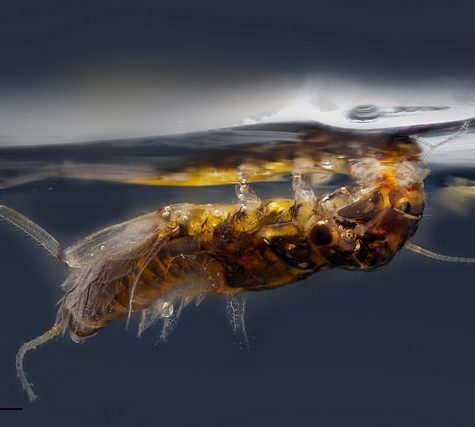
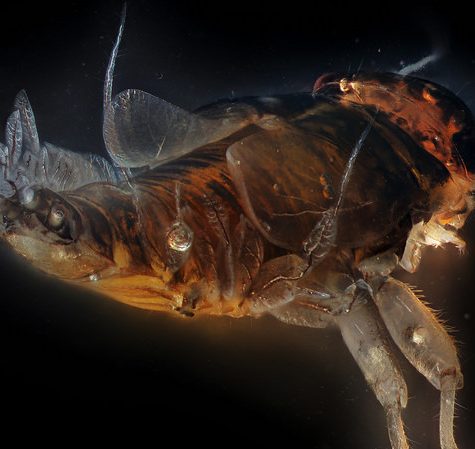
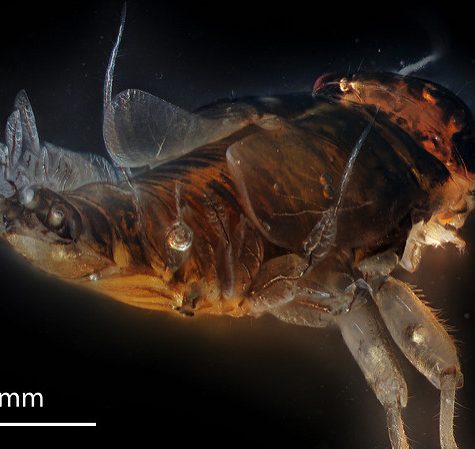
Mayfly Choroterpes sp.
Leptophlebiidae is a family belonging to the Ephemeropterans that are commonly known as the prong-gilled mayflies or leptophlebiids. It is the only family in the superfamilyLeptophlebioidea.[1] In North America they occur with about 70 species from 9 genera in freshwater streams and lakes; in Europe they are somewhat less diverse. Globally, this family is much more prevalent and diverse, with about 2000 different species. Leptophlebiids are easily recognized by the forked gills present on the larvae‘s abdomen, thus their common name.
Select options
This product has multiple variants. The options may be chosen on the product page
$19.00–$400.00Price range: $19.00 through $400.00
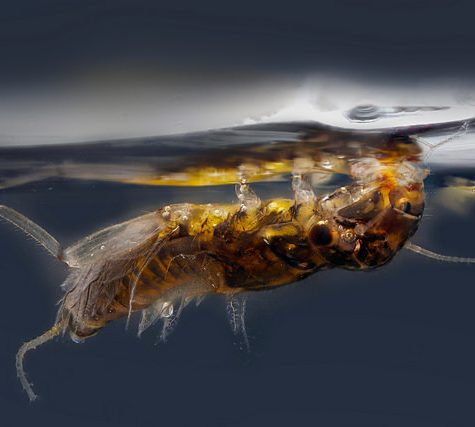
Mayfly Choroterpes sp.
Leptophlebiidae is a family belonging to the Ephemeropterans that are commonly known as the prong-gilled mayflies or leptophlebiids. It is the only family in the superfamilyLeptophlebioidea.[1] In North America they occur with about 70 species from 9 genera in freshwater streams and lakes; in Europe they are somewhat less diverse. Globally, this family is much more prevalent and diverse, with about 2000 different species. Leptophlebiids are easily recognized by the forked gills present on the larvae‘s abdomen, thus their common name.
Select options
This product has multiple variants. The options may be chosen on the product page
$19.00–$400.00Price range: $19.00 through $400.00
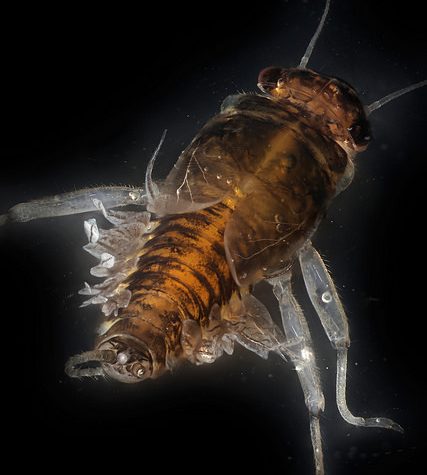
Mayfly Choroterpes sp.
Leptophlebiidae is a family belonging to the Ephemeropterans that are commonly known as the prong-gilled mayflies or leptophlebiids. It is the only family in the superfamilyLeptophlebioidea.[1] In North America they occur with about 70 species from 9 genera in freshwater streams and lakes; in Europe they are somewhat less diverse. Globally, this family is much more prevalent and diverse, with about 2000 different species. Leptophlebiids are easily recognized by the forked gills present on the larvae‘s abdomen, thus their common name.
Select options
This product has multiple variants. The options may be chosen on the product page
$19.00–$400.00Price range: $19.00 through $400.00
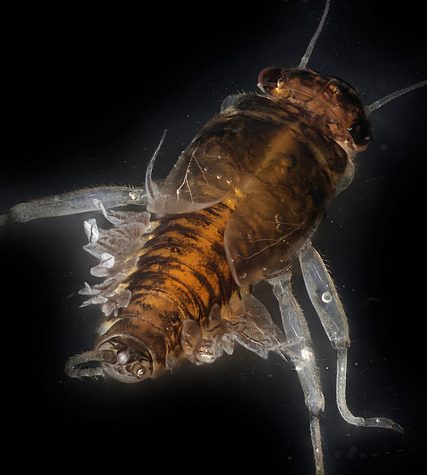
Mayfly Choroterpes sp.
Leptophlebiidae is a family belonging to the Ephemeropterans that are commonly known as the prong-gilled mayflies or leptophlebiids. It is the only family in the superfamilyLeptophlebioidea.[1] In North America they occur with about 70 species from 9 genera in freshwater streams and lakes; in Europe they are somewhat less diverse. Globally, this family is much more prevalent and diverse, with about 2000 different species. Leptophlebiids are easily recognized by the forked gills present on the larvae‘s abdomen, thus their common name.
Select options
This product has multiple variants. The options may be chosen on the product page
$19.00–$400.00Price range: $19.00 through $400.00
Mayfly Choroterpes sp.
Leptophlebiidae is a family belonging to the Ephemeropterans that are commonly known as the prong-gilled mayflies or leptophlebiids. It is the only family in the superfamilyLeptophlebioidea.[1] In North America they occur with about 70 species from 9 genera in freshwater streams and lakes; in Europe they are somewhat less diverse. Globally, this family is much more prevalent and diverse, with about 2000 different species. Leptophlebiids are easily recognized by the forked gills present on the larvae‘s abdomen, thus their common name.
Select options
This product has multiple variants. The options may be chosen on the product page
$19.00–$400.00Price range: $19.00 through $400.00
Mayfly Choroterpes sp.
Leptophlebiidae is a family belonging to the Ephemeropterans that are commonly known as the prong-gilled mayflies or leptophlebiids. It is the only family in the superfamilyLeptophlebioidea.[1] In North America they occur with about 70 species from 9 genera in freshwater streams and lakes; in Europe they are somewhat less diverse. Globally, this family is much more prevalent and diverse, with about 2000 different species. Leptophlebiids are easily recognized by the forked gills present on the larvae‘s abdomen, thus their common name.
Select options
This product has multiple variants. The options may be chosen on the product page
$19.00–$400.00Price range: $19.00 through $400.00
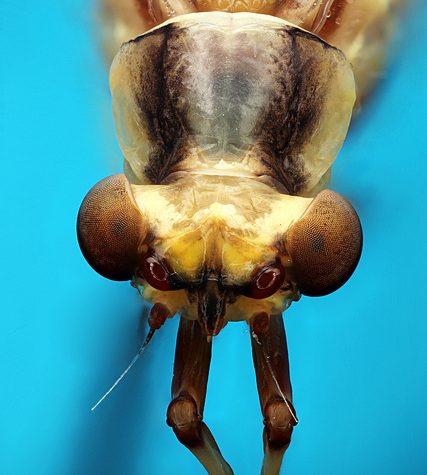
Mayfly
Mayflies (also known as Canadian soldiers[2] in the United States, or shadflies or fishflies in Canada and Michigan; also up-winged flies in the United Kingdom ) are aquatic insects belonging to the orderEphemeroptera. This order is part of an ancient group of insects termed the Palaeoptera, which also contains dragonflies and damselflies. Over 3,000 species of mayfly are known worldwide, grouped into over 400 genera in 42 families.
Mayflies are relatively primitive insects and exhibit a number of ancestral traits that were probably present in the first flying insects, such as long tails and wings that do not fold flat over the abdomen. Their immature stages are aquatic fresh water forms (called “naiads” or “nymphs“), whose presence indicates a clean, unpolluted environment. They are unique among insect orders in having a fully winged terrestrial adult stage, the subimago, which moults into a sexually mature adult, the imago.

 Rotary Stage for Manual Micro/Macro 3D Imaging