Select options
This product has multiple variants. The options may be chosen on the product page
$19.00–$400.00Price range: $19.00 through $400.00
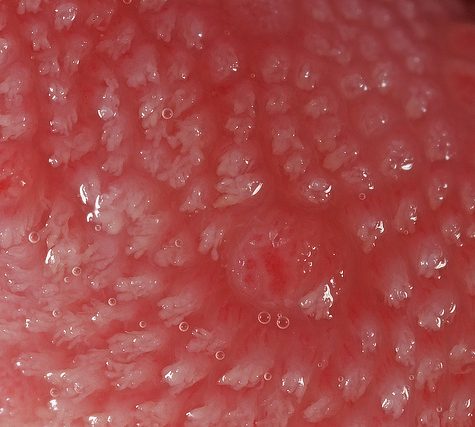
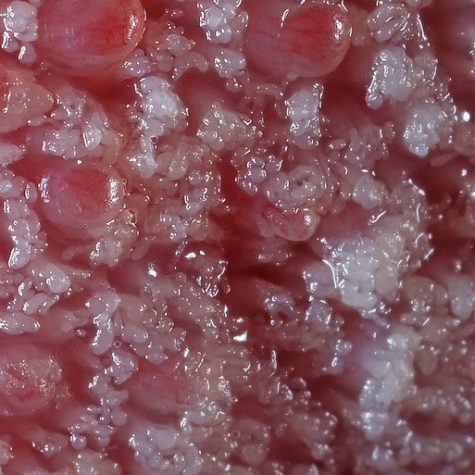
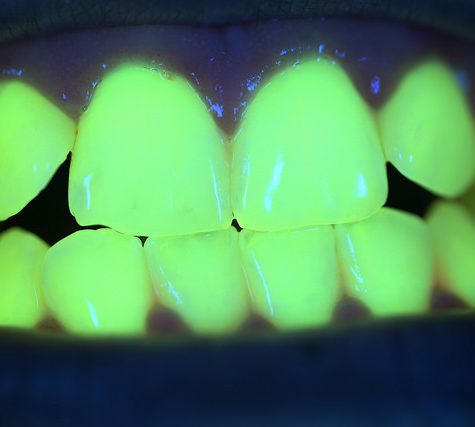
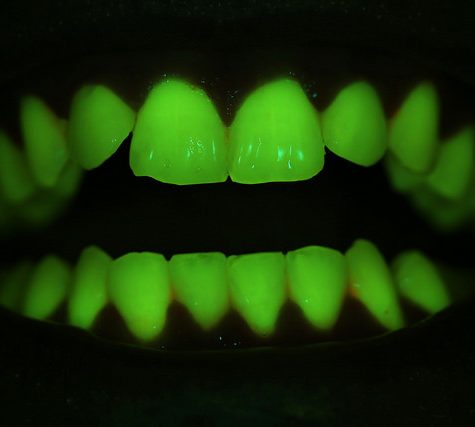
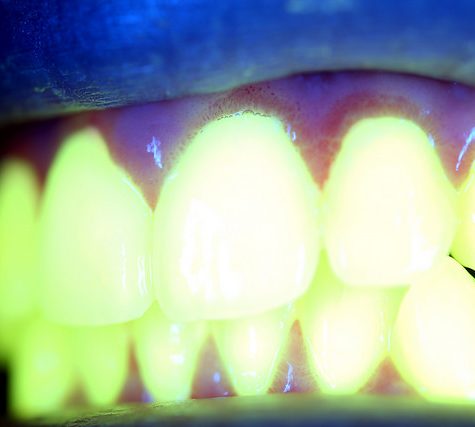
Teeth
A tooth (plural teeth) is a hard, calcified structure found in the jaws (or mouths) of many vertebrates and used to break downfood. Some animals, particularly carnivores, also use teeth for hunting or for defensive purposes. The roots of teeth are covered by gums. Teeth are not made of bone, but rather of multiple tissues of varying density and hardness. The cellular tissues that ultimately become teeth originate from the embryonic germ layer, the ectoderm.
Select options
This product has multiple variants. The options may be chosen on the product page
Select options
This product has multiple variants. The options may be chosen on the product page
$19.00–$400.00Price range: $19.00 through $400.00
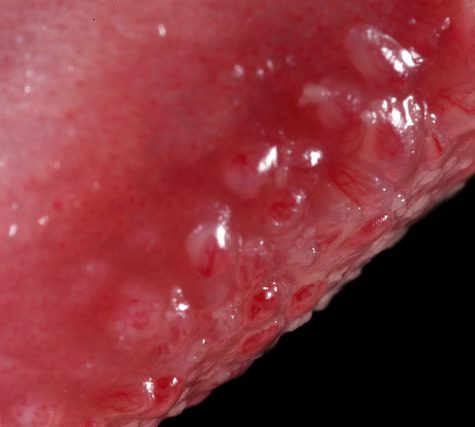
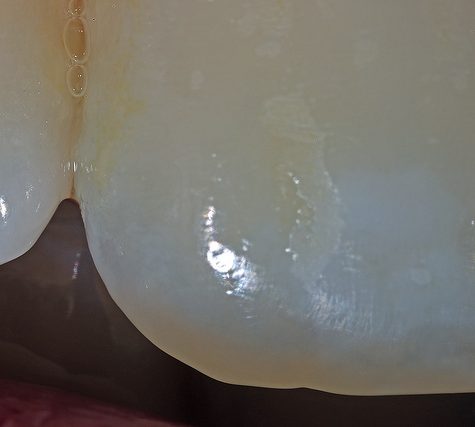
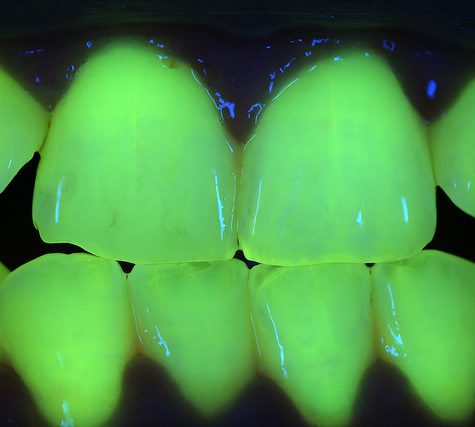
Teeth Fluorescence
A tooth (plural teeth) is a hard, calcified structure found in the jaws (or mouths) of many vertebrates and used to break downfood. Some animals, particularly carnivores, also use teeth for hunting or for defensive purposes. The roots of teeth are covered by gums. Teeth are not made of bone, but rather of multiple tissues of varying density and hardness. The cellular tissues that ultimately become teeth originate from the embryonic germ layer, the ectoderm.
Select options
This product has multiple variants. The options may be chosen on the product page
$19.00–$400.00Price range: $19.00 through $400.00
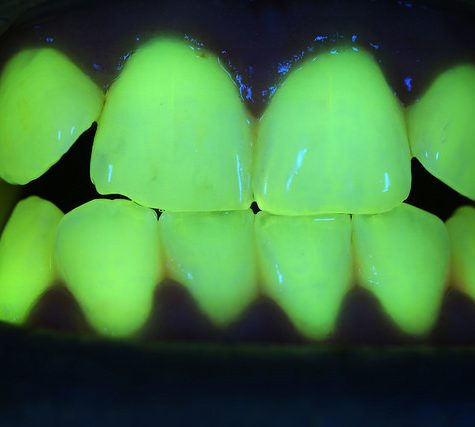
Teeth Fluorescence
A tooth (plural teeth) is a hard, calcified structure found in the jaws (or mouths) of many vertebrates and used to break downfood. Some animals, particularly carnivores, also use teeth for hunting or for defensive purposes. The roots of teeth are covered by gums. Teeth are not made of bone, but rather of multiple tissues of varying density and hardness. The cellular tissues that ultimately become teeth originate from the embryonic germ layer, the ectoderm.
Select options
This product has multiple variants. The options may be chosen on the product page
$19.00–$400.00Price range: $19.00 through $400.00
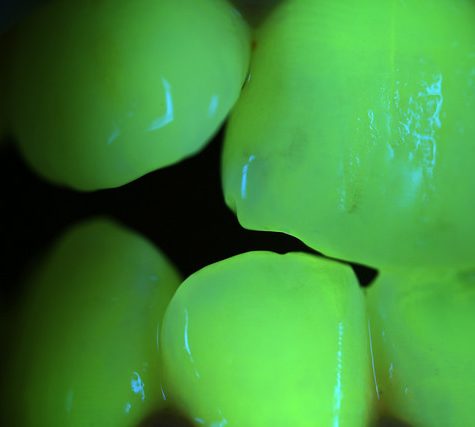
Teeth Fluorescence
A tooth (plural teeth) is a hard, calcified structure found in the jaws (or mouths) of many vertebrates and used to break downfood. Some animals, particularly carnivores, also use teeth for hunting or for defensive purposes. The roots of teeth are covered by gums. Teeth are not made of bone, but rather of multiple tissues of varying density and hardness. The cellular tissues that ultimately become teeth originate from the embryonic germ layer, the ectoderm.
Select options
This product has multiple variants. The options may be chosen on the product page
$19.00–$400.00Price range: $19.00 through $400.00
Teeth Fluorescence
A tooth (plural teeth) is a hard, calcified structure found in the jaws (or mouths) of many vertebrates and used to break downfood. Some animals, particularly carnivores, also use teeth for hunting or for defensive purposes. The roots of teeth are covered by gums. Teeth are not made of bone, but rather of multiple tissues of varying density and hardness. The cellular tissues that ultimately become teeth originate from the embryonic germ layer, the ectoderm.
Select options
This product has multiple variants. The options may be chosen on the product page
$19.00–$400.00Price range: $19.00 through $400.00
Teeth Fluorescence
A tooth (plural teeth) is a hard, calcified structure found in the jaws (or mouths) of many vertebrates and used to break downfood. Some animals, particularly carnivores, also use teeth for hunting or for defensive purposes. The roots of teeth are covered by gums. Teeth are not made of bone, but rather of multiple tissues of varying density and hardness. The cellular tissues that ultimately become teeth originate from the embryonic germ layer, the ectoderm.
Select options
This product has multiple variants. The options may be chosen on the product page
$19.00–$400.00Price range: $19.00 through $400.00
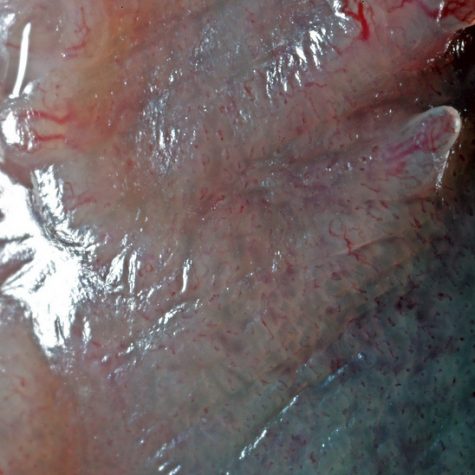
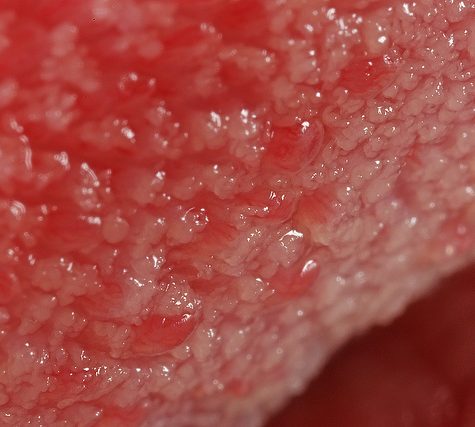
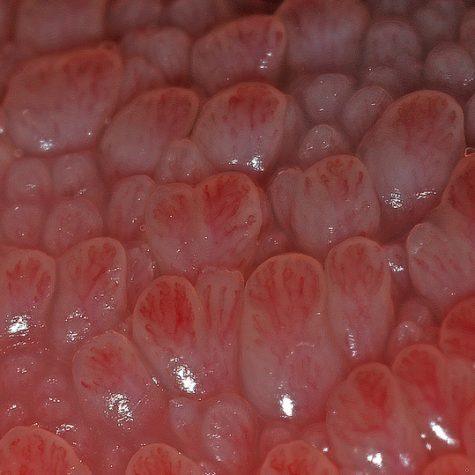
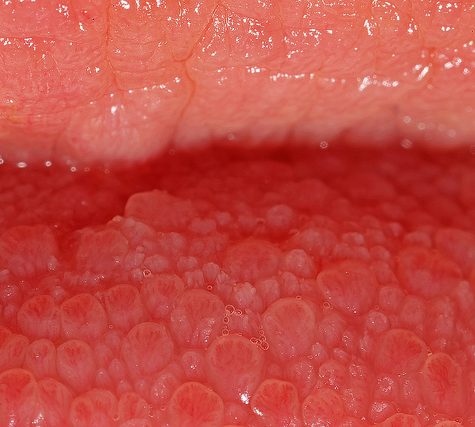
Gums Fluorescence
The gums or gingiva (plural: gingivae), consist of the mucosal tissue that lies over the mandible and maxilla inside the mouth. Gum health and disease can have an effect on general health.[1]
Select options
This product has multiple variants. The options may be chosen on the product page
$19.00–$400.00Price range: $19.00 through $400.00
Dewey Millipede on Unknown Tree Bud Scale Bar
Myriapoda is a subphylum of arthropods containing millipedes, centipedes, and others. The group contains over 16,000 species, most of which are terrestrial.[2]Although their name suggests they have myriad (10,000) legs, myriapods range from having up to 750 legs (the millipede Illacme plenipes)[3]to having fewer than ten legs.
Select options
This product has multiple variants. The options may be chosen on the product page

 International, Hawaii and Alaska Training & Support
 Diffuser for Canon M-PE 65mm 1-5x
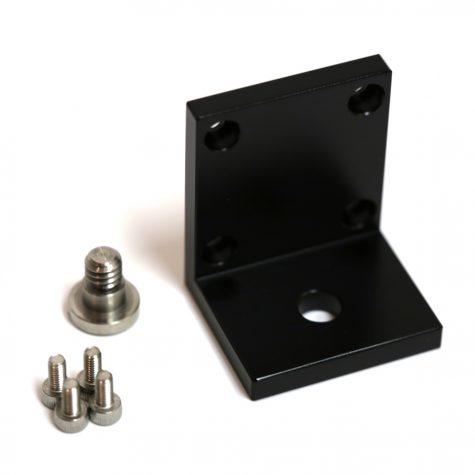 L Plate for Mounting Specimens on Translational Stage
 Extended Training & Support
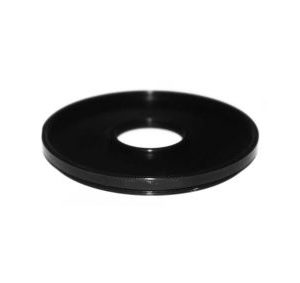 Mitutoyo to 77mm Adapter
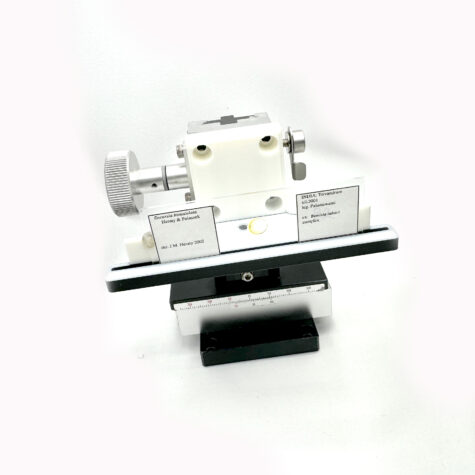 Slide Stage compatible with X, Y Rack-Pinion and Universal Mount
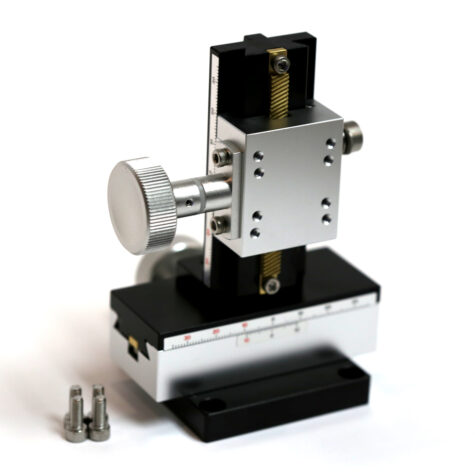 X, Y Translational Stage for Micro/Macro Panoramic Imaging
 Camera Err 20 or Err 30 Service and Repair