Structural geology is the study of the three-dimensional distribution of rock units with respect to their deformational histories. The primary goal of structural geology is to use measurements of present-day rock geometries to uncover information about the history of deformation (strain) in the rocks, and ultimately, to understand the stress field that resulted in the observed strain and geometries. This understanding of the dynamics of the stress field can be linked to important events in the geologic past; a common goal is to understand the structural evolution of a particular area with respect to regionally widespread patterns of rock deformation (e.g., mountain building, rifting) due to plate tectonics.
Select options
This product has multiple variants. The options may be chosen on the product page
$19.00–$400.00Price range: $19.00 through $400.00
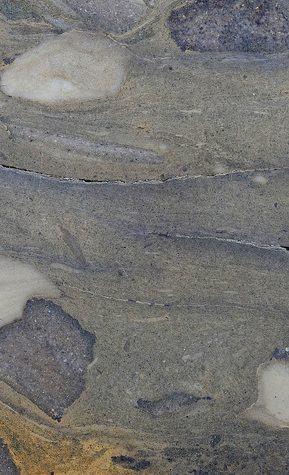
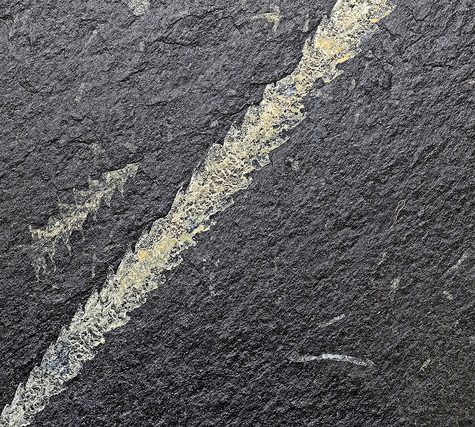
Stylolite
Stylolites or styolite (Greek: stylos, pillar; lithos, stone) are serrated surfaces within a rock mass at which mineral material has been removed by pressure dissolution, in a process that decreases the total volume of rock. Insoluble minerals, such as clays, pyrite and oxides, remain within the stylolites and make them visible. Sometimes host rocks contain no insoluble minerals, in which case stylolites can be recognized by change in texture of the rock.[1] They occur most commonly in homogeneous rocks,[2]carbonates, cherts, sandstones, but they can be found in certain igneous rocks and ice. Their size vary from microscopic contacts between two grains (microstylolites) to large structures up to 20 m in length and up to 10 m in amplitude in ice.[3] Stylolites usually form parallel to bedding, because of overburden pressure, but they can be oblique or even perpendicular to bedding, as a result of tectonic activity.[4][5]
Select options
This product has multiple variants. The options may be chosen on the product page
$19.00–$400.00Price range: $19.00 through $400.00
Stylolite
Stylolites or styolite (Greek: stylos, pillar; lithos, stone) are serrated surfaces within a rock mass at which mineral material has been removed by pressure dissolution, in a process that decreases the total volume of rock. Insoluble minerals, such as clays, pyrite and oxides, remain within the stylolites and make them visible. Sometimes host rocks contain no insoluble minerals, in which case stylolites can be recognized by change in texture of the rock.[1] They occur most commonly in homogeneous rocks,[2]carbonates, cherts, sandstones, but they can be found in certain igneous rocks and ice. Their size vary from microscopic contacts between two grains (microstylolites) to large structures up to 20 m in length and up to 10 m in amplitude in ice.[3] Stylolites usually form parallel to bedding, because of overburden pressure, but they can be oblique or even perpendicular to bedding, as a result of tectonic activity.[4][5]
Select options
This product has multiple variants. The options may be chosen on the product page
$19.00–$400.00Price range: $19.00 through $400.00
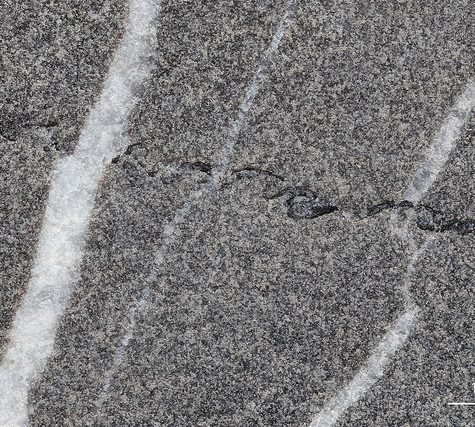
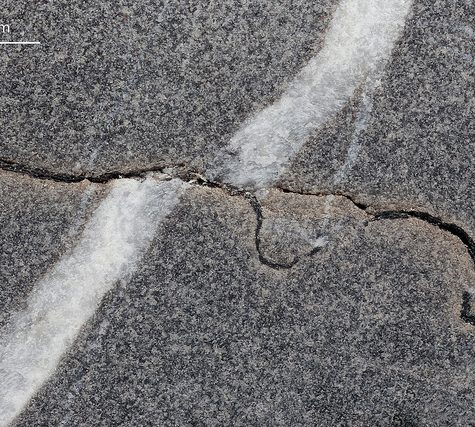
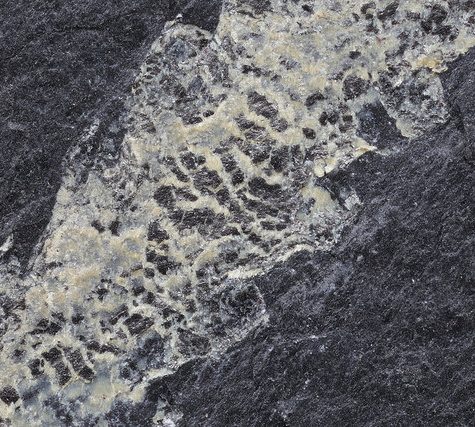
Vein in Gneiss
Structural geology is the study of the three-dimensional distribution of rock units with respect to their deformational histories. The primary goal of structural geology is to use measurements of present-day rock geometries to uncover information about the history of deformation (strain) in the rocks, and ultimately, to understand the stress field that resulted in the observed strain and geometries. This understanding of the dynamics of the stress field can be linked to important events in the geologic past; a common goal is to understand the structural evolution of a particular area with respect to regionally widespread patterns of rock deformation (e.g., mountain building, rifting) due to plate tectonics.
Select options
This product has multiple variants. The options may be chosen on the product page
$19.00–$400.00Price range: $19.00 through $400.00
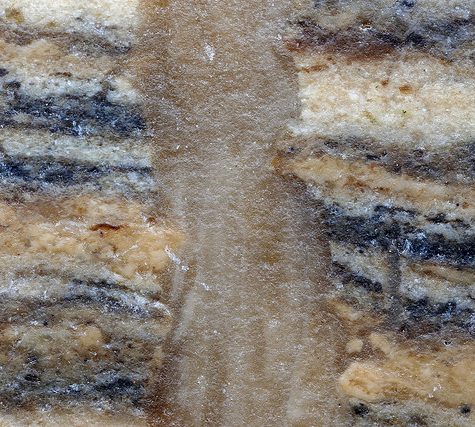
Chocolate Structures in Graptolite
Structural geology is the study of the three-dimensional distribution of rock units with respect to their deformational histories. The primary goal of structural geology is to use measurements of present-day rock geometries to uncover information about the history of deformation (strain) in the rocks, and ultimately, to understand the stress field that resulted in the observed strain and geometries. This understanding of the dynamics of the stress field can be linked to important events in the geologic past; a common goal is to understand the structural evolution of a particular area with respect to regionally widespread patterns of rock deformation (e.g., mountain building, rifting) due to plate tectonics.
Select options
This product has multiple variants. The options may be chosen on the product page
$19.00–$400.00Price range: $19.00 through $400.00
Chocolate Structures in Graptolite
Structural geology is the study of the three-dimensional distribution of rock units with respect to their deformational histories. The primary goal of structural geology is to use measurements of present-day rock geometries to uncover information about the history of deformation (strain) in the rocks, and ultimately, to understand the stress field that resulted in the observed strain and geometries. This understanding of the dynamics of the stress field can be linked to important events in the geologic past; a common goal is to understand the structural evolution of a particular area with respect to regionally widespread patterns of rock deformation (e.g., mountain building, rifting) due to plate tectonics.
Select options
This product has multiple variants. The options may be chosen on the product page
Select options
This product has multiple variants. The options may be chosen on the product page
$19.00–$400.00Price range: $19.00 through $400.00
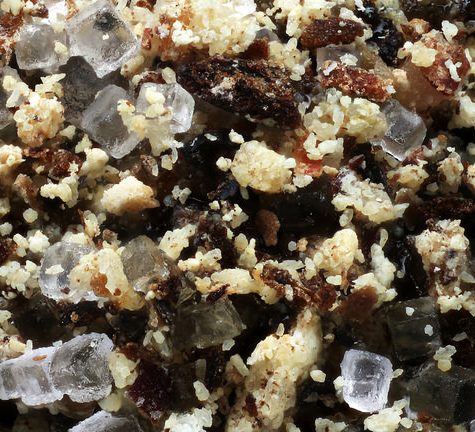
Salt and Pepper
Salt and pepper is the common name for edible salt and black pepper, a traditionally paired set of condiments found on dining tables where European-style food is eaten. The pairing of salt and pepper as table condiments dates to seventeenth-century French cuisine, which considered pepper the only spice (as distinct from herbs such as fines herbes) which did not overpower the true taste of food.[1] They are typically found in a set of salt and pepper shakers, often a matched set; however, salt and pepper are typically maintained in separate shakers.
Select options
This product has multiple variants. The options may be chosen on the product page
$19.00–$400.00Price range: $19.00 through $400.00
Banana
The banana is an edible fruit – botanically a berry[1][2] – produced by several kinds of large herbaceousflowering plants in the genusMusa.[3] In some countries, bananas used for cooking may be called plantains, in contrast to dessert bananas. The fruit is variable in size, color and firmness, but is usually elongated and curved, with soft flesh rich in starchcovered with a rind which may be green, yellow, red, purple, or brown when ripe. The fruits grow in clusters hanging from the top of the plant. Almost all modern edible parthenocarpic(seedless) bananas come from two wild species – Musa acuminata and Musa balbisiana. The scientific names of most cultivated bananas are Musa acuminata, Musa balbisiana, and Musa × paradisiaca for the hybrid Musa acuminata × M. balbisiana, depending on their genomic constitution. The old scientific name Musa sapientum is no longer used.
Select options
This product has multiple variants. The options may be chosen on the product page
$19.00–$400.00Price range: $19.00 through $400.00
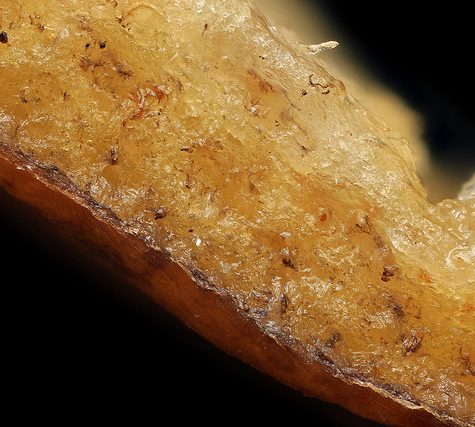
Banana Peel Cross Section
The banana is an edible fruit – botanically a berry[1][2] – produced by several kinds of large herbaceousflowering plants in the genusMusa.[3] In some countries, bananas used for cooking may be called plantains, in contrast to dessert bananas. The fruit is variable in size, color and firmness, but is usually elongated and curved, with soft flesh rich in starchcovered with a rind which may be green, yellow, red, purple, or brown when ripe. The fruits grow in clusters hanging from the top of the plant. Almost all modern edible parthenocarpic(seedless) bananas come from two wild species – Musa acuminata and Musa balbisiana. The scientific names of most cultivated bananas are Musa acuminata, Musa balbisiana, and Musa × paradisiaca for the hybrid Musa acuminata × M. balbisiana, depending on their genomic constitution. The old scientific name Musa sapientum is no longer used.
Select options
This product has multiple variants. The options may be chosen on the product page
$19.00–$400.00Price range: $19.00 through $400.00
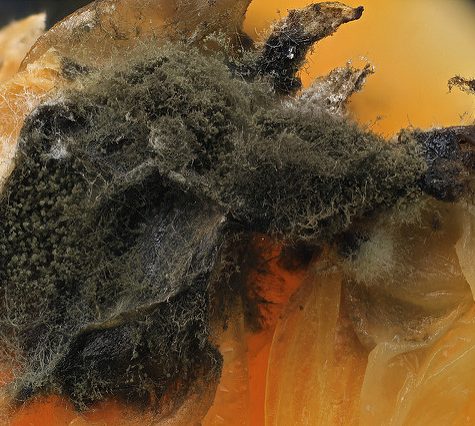
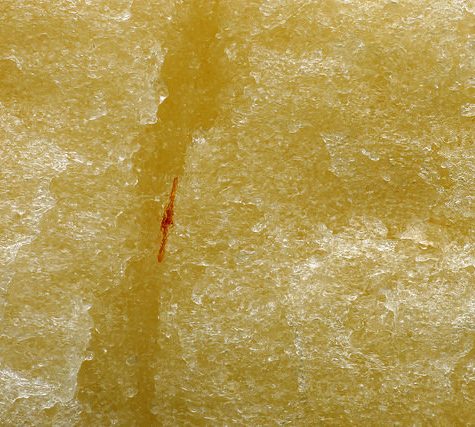
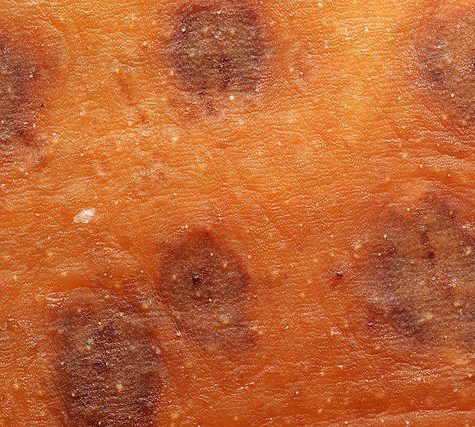
Banana Peel
The banana is an edible fruit – botanically a berry[1][2] – produced by several kinds of large herbaceousflowering plants in the genusMusa.[3] In some countries, bananas used for cooking may be called plantains, in contrast to dessert bananas. The fruit is variable in size, color and firmness, but is usually elongated and curved, with soft flesh rich in starchcovered with a rind which may be green, yellow, red, purple, or brown when ripe. The fruits grow in clusters hanging from the top of the plant. Almost all modern edible parthenocarpic(seedless) bananas come from two wild species – Musa acuminata and Musa balbisiana. The scientific names of most cultivated bananas are Musa acuminata, Musa balbisiana, and Musa × paradisiaca for the hybrid Musa acuminata × M. balbisiana, depending on their genomic constitution. The old scientific name Musa sapientum is no longer used.
Select options
This product has multiple variants. The options may be chosen on the product page
$19.00–$400.00Price range: $19.00 through $400.00
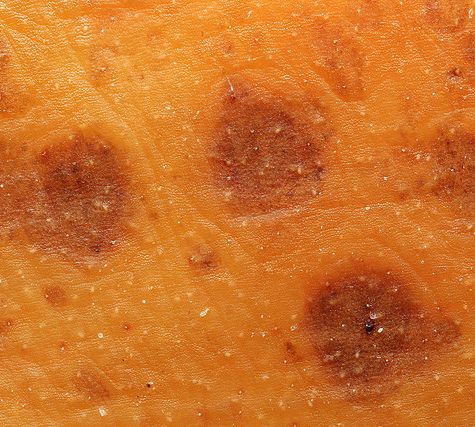
Banana Peel
The banana is an edible fruit – botanically a berry[1][2] – produced by several kinds of large herbaceousflowering plants in the genusMusa.[3] In some countries, bananas used for cooking may be called plantains, in contrast to dessert bananas. The fruit is variable in size, color and firmness, but is usually elongated and curved, with soft flesh rich in starchcovered with a rind which may be green, yellow, red, purple, or brown when ripe. The fruits grow in clusters hanging from the top of the plant. Almost all modern edible parthenocarpic(seedless) bananas come from two wild species – Musa acuminata and Musa balbisiana. The scientific names of most cultivated bananas are Musa acuminata, Musa balbisiana, and Musa × paradisiaca for the hybrid Musa acuminata × M. balbisiana, depending on their genomic constitution. The old scientific name Musa sapientum is no longer used.
Select options
This product has multiple variants. The options may be chosen on the product page
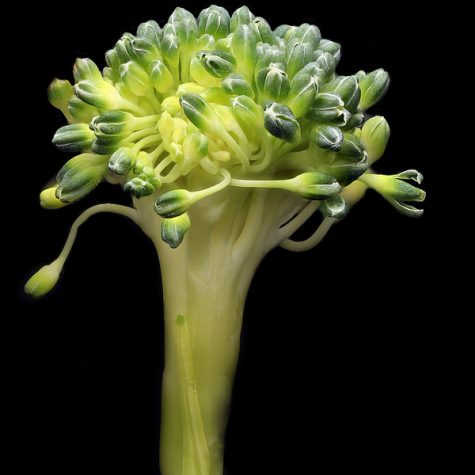
The word broccoli comes from the Italian plural of broccolo, which means “the flowering crest of a cabbage“, and is the diminutive form of brocco, meaning “small nail” or “sprout”.[3] Broccoli is often boiled or steamed but may be eaten raw.[4]
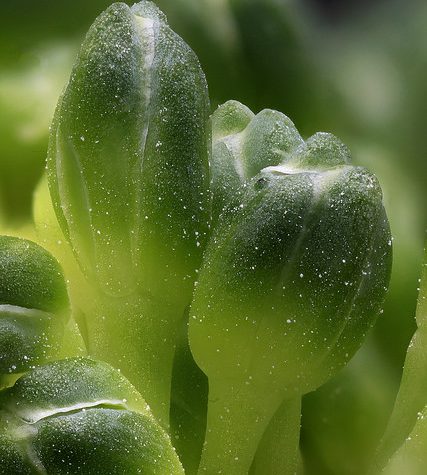
Broccoli is classified in the Italica cultivar group of the species Brassica oleracea. Broccoli has large flower heads, usually green in color, arranged in a tree-like structure branching out from a thick, edible stalk. The mass of flower heads is surrounded by leaves. Broccoli resembles cauliflower, which is a different cultivar group of the same species.
Broccoli is a result of careful breeding of cultivated Brassica crops in the northern Mediterranean starting in about the 6th century BC.[5] Since the time of the Roman Empire, broccoli has been considered a uniquely valuable food among Italians.[6]Broccoli was brought to England from Antwerp in the mid-18th century by Peter Scheemakers.[7] Broccoli was first introduced to the United States by Southern Italian immigrants, but did not become widely popular until the 1920s.[8]
Select options
This product has multiple variants. The options may be chosen on the product page
The word broccoli comes from the Italian plural of broccolo, which means “the flowering crest of a cabbage“, and is the diminutive form of brocco, meaning “small nail” or “sprout”.[3] Broccoli is often boiled or steamed but may be eaten raw.[4]
Broccoli is classified in the Italica cultivar group of the species Brassica oleracea. Broccoli has large flower heads, usually green in color, arranged in a tree-like structure branching out from a thick, edible stalk. The mass of flower heads is surrounded by leaves. Broccoli resembles cauliflower, which is a different cultivar group of the same species.
Broccoli is a result of careful breeding of cultivated Brassica crops in the northern Mediterranean starting in about the 6th century BC.[5] Since the time of the Roman Empire, broccoli has been considered a uniquely valuable food among Italians.[6]Broccoli was brought to England from Antwerp in the mid-18th century by Peter Scheemakers.[7] Broccoli was first introduced to the United States by Southern Italian immigrants, but did not become widely popular until the 1920s.[8]
Select options
This product has multiple variants. The options may be chosen on the product page
$19.00–$400.00Price range: $19.00 through $400.00
Wasabi Pea
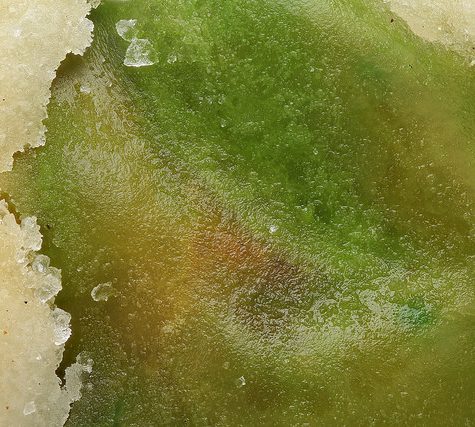
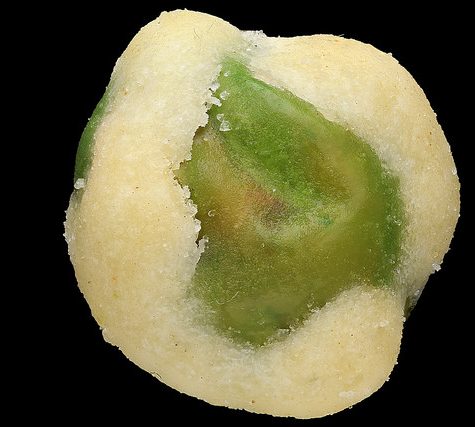
Wasabi (ワサビ or わさび(山葵), earlier 和佐比; Eutrema japonicum or Wasabia japonica)[1] is a plant of the Brassicaceae family, which includes cabbages, horseradish, and mustard. It is also called Japanese horseradish,[2] although horseradish is a different plant (which is generally used as a substitute for wasabi, due to the scarcity of the wasabi plant). Wasabi is generally used as a sauce that makes sushi or other foods more flavorful by adding spice. Its stem is used as a condiment and has an extremely strong pungencymore akin to hot mustard than the capsaicin in a chili pepper, producing vapours that stimulate the nasal passages more than the tongue. The plant grows naturally along stream beds in mountain river valleys in Japan. The two main cultivars in the marketplace are E. japonicum ‘Daruma’ and ‘Mazuma’, but there are many others.[3] The origin of wasabi cuisine has been clarified from the oldest historical records; it takes its rise in Nara prefecture,[4] and more recently has seen a surge in popularity from the early 1990s to mid 2000s.[5]
Select options
This product has multiple variants. The options may be chosen on the product page
$19.00–$400.00Price range: $19.00 through $400.00
Wasabi Pea
Wasabi (ワサビ or わさび(山葵), earlier 和佐比; Eutrema japonicum or Wasabia japonica)[1] is a plant of the Brassicaceae family, which includes cabbages, horseradish, and mustard. It is also called Japanese horseradish,[2] although horseradish is a different plant (which is generally used as a substitute for wasabi, due to the scarcity of the wasabi plant). Wasabi is generally used as a sauce that makes sushi or other foods more flavorful by adding spice. Its stem is used as a condiment and has an extremely strong pungencymore akin to hot mustard than the capsaicin in a chili pepper, producing vapours that stimulate the nasal passages more than the tongue. The plant grows naturally along stream beds in mountain river valleys in Japan. The two main cultivars in the marketplace are E. japonicum ‘Daruma’ and ‘Mazuma’, but there are many others.[3] The origin of wasabi cuisine has been clarified from the oldest historical records; it takes its rise in Nara prefecture,[4] and more recently has seen a surge in popularity from the early 1990s to mid 2000s.[5]