Showing 241–256 of 402 resultsSorted by price: high to low
Select options
This product has multiple variants. The options may be chosen on the product page
$19.00–$400.00Price range: $19.00 through $400.00
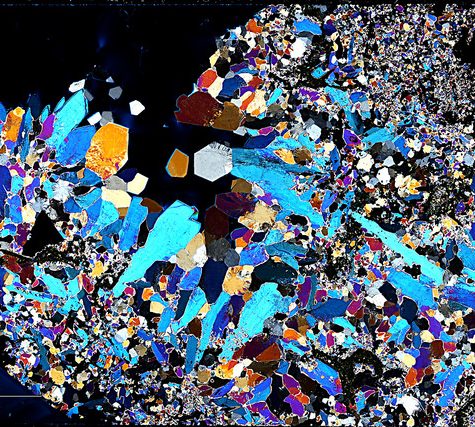
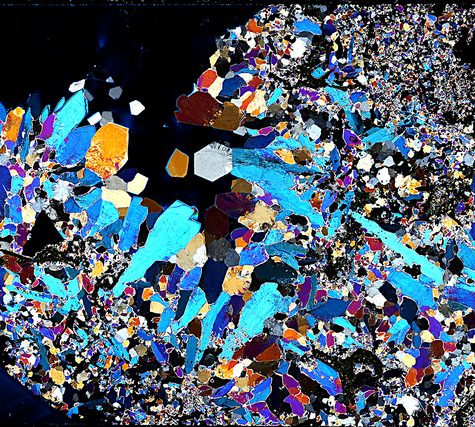
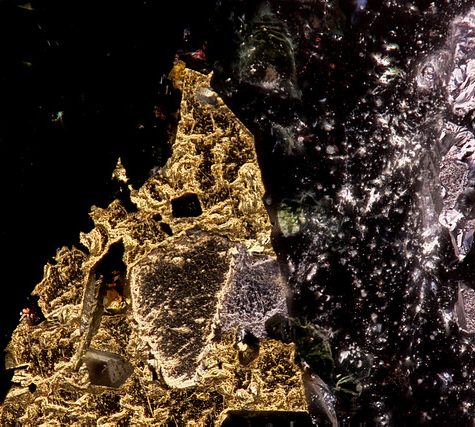
Gas bubble visualization. Slide contains petroleum, sulfides, gold, graphite, iron and other minerals. Scale.
Petrology (from the Greekπέτρος, pétros, “rock” and λόγος, lógos, “subject matter”, see -logy) is the branch of geology that studies rocks and the conditions under which they form. Petrology has three subdivisions, igneous, metamorphic, and sedimentary petrology. Igneous and metamorphic petrology are commonly taught together because they both contain heavy use of chemistry, chemical methods, and phase diagrams. Sedimentary petrology is, on the other hand, commonly taught together with stratigraphy because it deals with the processes that form sedimentary rock.[1]
Lithology was once approximately synonymous with petrography, but in current usage, lithology focuses on macroscopic hand-sample or outcrop-scale description of rocks while petrography is the speciality that deals with microscopic details.
In the petroleum industry, lithology, or more specifically mud logging, is the graphic representation of geological formations being drilled through, and drawn on a log called a mud log. As the cuttings are circulated out of the borehole they are sampled, examined (typically under a 10× microscope) and tested chemically when needed.
Select options
This product has multiple variants. The options may be chosen on the product page
$19.00–$400.00Price range: $19.00 through $400.00
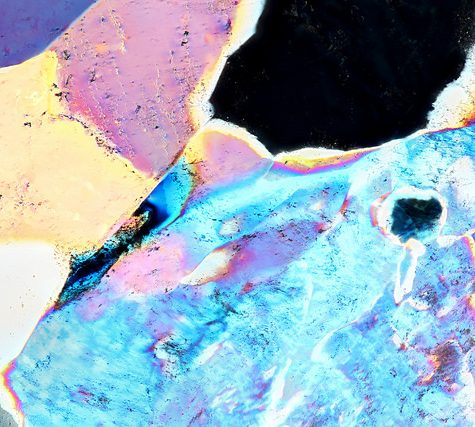
Gas bubble visualization. Slide contains petroleum, sulfides, gold, graphite, iron and other minerals.
Petrology (from the Greekπέτρος, pétros, “rock” and λόγος, lógos, “subject matter”, see -logy) is the branch of geology that studies rocks and the conditions under which they form. Petrology has three subdivisions, igneous, metamorphic, and sedimentary petrology. Igneous and metamorphic petrology are commonly taught together because they both contain heavy use of chemistry, chemical methods, and phase diagrams. Sedimentary petrology is, on the other hand, commonly taught together with stratigraphy because it deals with the processes that form sedimentary rock.[1]
Lithology was once approximately synonymous with petrography, but in current usage, lithology focuses on macroscopic hand-sample or outcrop-scale description of rocks while petrography is the speciality that deals with microscopic details.
In the petroleum industry, lithology, or more specifically mud logging, is the graphic representation of geological formations being drilled through, and drawn on a log called a mud log. As the cuttings are circulated out of the borehole they are sampled, examined (typically under a 10× microscope) and tested chemically when needed.
Select options
This product has multiple variants. The options may be chosen on the product page
$19.00–$400.00Price range: $19.00 through $400.00
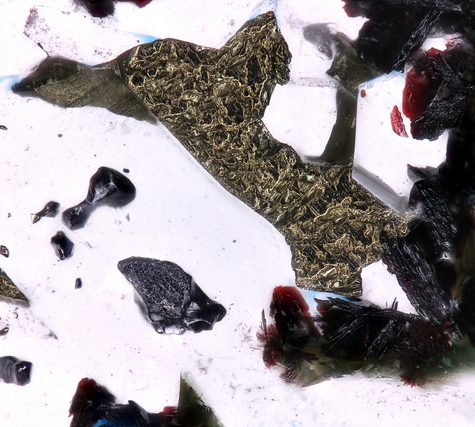
Gold and Iron in Thin Section
Petrology (from the Greekπέτρος, pétros, “rock” and λόγος, lógos, “subject matter”, see -logy) is the branch of geology that studies rocks and the conditions under which they form. Petrology has three subdivisions, igneous, metamorphic, and sedimentary petrology. Igneous and metamorphic petrology are commonly taught together because they both contain heavy use of chemistry, chemical methods, and phase diagrams. Sedimentary petrology is, on the other hand, commonly taught together with stratigraphy because it deals with the processes that form sedimentary rock.[1]
Lithology was once approximately synonymous with petrography, but in current usage, lithology focuses on macroscopic hand-sample or outcrop-scale description of rocks while petrography is the speciality that deals with microscopic details.
In the petroleum industry, lithology, or more specifically mud logging, is the graphic representation of geological formations being drilled through, and drawn on a log called a mud log. As the cuttings are circulated out of the borehole they are sampled, examined (typically under a 10× microscope) and tested chemically when needed.
Select options
This product has multiple variants. The options may be chosen on the product page
$19.00–$400.00Price range: $19.00 through $400.00
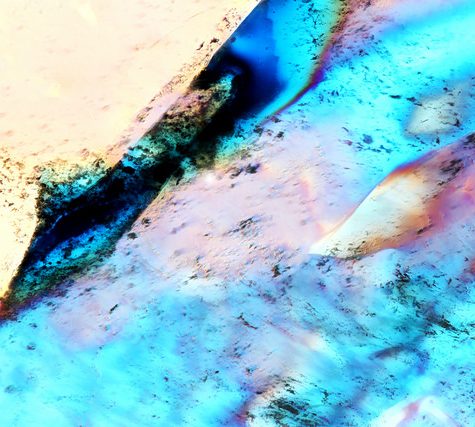
Gas bubble visualization. Slide contains petroleum, sulfides, gold, graphite, iron and other minerals.
Petrology (from the Greekπέτρος, pétros, “rock” and λόγος, lógos, “subject matter”, see -logy) is the branch of geology that studies rocks and the conditions under which they form. Petrology has three subdivisions, igneous, metamorphic, and sedimentary petrology. Igneous and metamorphic petrology are commonly taught together because they both contain heavy use of chemistry, chemical methods, and phase diagrams. Sedimentary petrology is, on the other hand, commonly taught together with stratigraphy because it deals with the processes that form sedimentary rock.[1]
Lithology was once approximately synonymous with petrography, but in current usage, lithology focuses on macroscopic hand-sample or outcrop-scale description of rocks while petrography is the speciality that deals with microscopic details.
In the petroleum industry, lithology, or more specifically mud logging, is the graphic representation of geological formations being drilled through, and drawn on a log called a mud log. As the cuttings are circulated out of the borehole they are sampled, examined (typically under a 10× microscope) and tested chemically when needed.
Select options
This product has multiple variants. The options may be chosen on the product page
$19.00–$400.00Price range: $19.00 through $400.00
Gas bubble visualization. Slide contains petroleum, sulfides, gold, graphite, iron and other minerals.
Petrology (from the Greekπέτρος, pétros, “rock” and λόγος, lógos, “subject matter”, see -logy) is the branch of geology that studies rocks and the conditions under which they form. Petrology has three subdivisions, igneous, metamorphic, and sedimentary petrology. Igneous and metamorphic petrology are commonly taught together because they both contain heavy use of chemistry, chemical methods, and phase diagrams. Sedimentary petrology is, on the other hand, commonly taught together with stratigraphy because it deals with the processes that form sedimentary rock.[1]
Lithology was once approximately synonymous with petrography, but in current usage, lithology focuses on macroscopic hand-sample or outcrop-scale description of rocks while petrography is the speciality that deals with microscopic details.
In the petroleum industry, lithology, or more specifically mud logging, is the graphic representation of geological formations being drilled through, and drawn on a log called a mud log. As the cuttings are circulated out of the borehole they are sampled, examined (typically under a 10× microscope) and tested chemically when needed.
Select options
This product has multiple variants. The options may be chosen on the product page
$19.00–$400.00Price range: $19.00 through $400.00
Gas bubble visualization. Slide contains petroleum, sulfides, gold, graphite, iron and other minerals.
Petrology (from the Greekπέτρος, pétros, “rock” and λόγος, lógos, “subject matter”, see -logy) is the branch of geology that studies rocks and the conditions under which they form. Petrology has three subdivisions, igneous, metamorphic, and sedimentary petrology. Igneous and metamorphic petrology are commonly taught together because they both contain heavy use of chemistry, chemical methods, and phase diagrams. Sedimentary petrology is, on the other hand, commonly taught together with stratigraphy because it deals with the processes that form sedimentary rock.[1]
Lithology was once approximately synonymous with petrography, but in current usage, lithology focuses on macroscopic hand-sample or outcrop-scale description of rocks while petrography is the speciality that deals with microscopic details.
In the petroleum industry, lithology, or more specifically mud logging, is the graphic representation of geological formations being drilled through, and drawn on a log called a mud log. As the cuttings are circulated out of the borehole they are sampled, examined (typically under a 10× microscope) and tested chemically when needed.
Select options
This product has multiple variants. The options may be chosen on the product page
$19.00–$400.00Price range: $19.00 through $400.00
Gas bubble visualization. Slide contains petroleum, sulfides, gold, graphite, iron and other minerals.
Petrology (from the Greekπέτρος, pétros, “rock” and λόγος, lógos, “subject matter”, see -logy) is the branch of geology that studies rocks and the conditions under which they form. Petrology has three subdivisions, igneous, metamorphic, and sedimentary petrology. Igneous and metamorphic petrology are commonly taught together because they both contain heavy use of chemistry, chemical methods, and phase diagrams. Sedimentary petrology is, on the other hand, commonly taught together with stratigraphy because it deals with the processes that form sedimentary rock.[1]
Lithology was once approximately synonymous with petrography, but in current usage, lithology focuses on macroscopic hand-sample or outcrop-scale description of rocks while petrography is the speciality that deals with microscopic details.
In the petroleum industry, lithology, or more specifically mud logging, is the graphic representation of geological formations being drilled through, and drawn on a log called a mud log. As the cuttings are circulated out of the borehole they are sampled, examined (typically under a 10× microscope) and tested chemically when needed.
Select options
This product has multiple variants. The options may be chosen on the product page
$19.00–$400.00Price range: $19.00 through $400.00
Gold and Silver in Thin Section
Petrology (from the Greekπέτρος, pétros, “rock” and λόγος, lógos, “subject matter”, see -logy) is the branch of geology that studies rocks and the conditions under which they form. Petrology has three subdivisions, igneous, metamorphic, and sedimentary petrology. Igneous and metamorphic petrology are commonly taught together because they both contain heavy use of chemistry, chemical methods, and phase diagrams. Sedimentary petrology is, on the other hand, commonly taught together with stratigraphy because it deals with the processes that form sedimentary rock.[1]
Lithology was once approximately synonymous with petrography, but in current usage, lithology focuses on macroscopic hand-sample or outcrop-scale description of rocks while petrography is the speciality that deals with microscopic details.
In the petroleum industry, lithology, or more specifically mud logging, is the graphic representation of geological formations being drilled through, and drawn on a log called a mud log. As the cuttings are circulated out of the borehole they are sampled, examined (typically under a 10× microscope) and tested chemically when needed.
Select options
This product has multiple variants. The options may be chosen on the product page
$19.00–$400.00Price range: $19.00 through $400.00
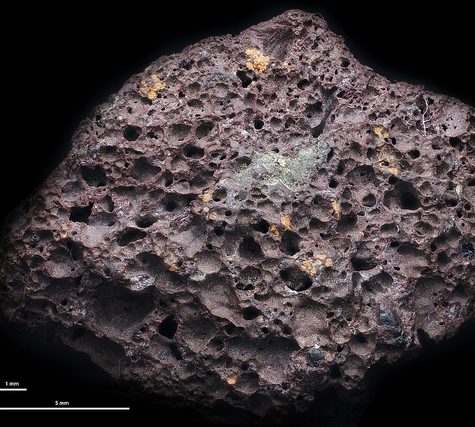
Vesicular Basalt Ah-ah
Basalt is a common extrusiveigneous(volcanic) rock formed from the rapid cooling of basaltic lava exposed at or very near the surface of a planet or moon. Flood basalt describes the formation in a series of lava basalt flows.
Select options
This product has multiple variants. The options may be chosen on the product page
$19.00–$400.00Price range: $19.00 through $400.00
Tephra
Tephra is fragmental material produced by a volcanic eruption regardless of composition, fragment size or emplacement mechanism.[1]
Tephra horizons in south-central Iceland. The thick and light coloured layer at the centre of the photo is rhyolitic tephra from Hekla.
Volcanologists also refer to airborne fragments as pyroclasts. Once clasts have fallen to the ground they remain as tephra unless hot enough to fuse together into pyroclastic rock or tuff.
Select options
This product has multiple variants. The options may be chosen on the product page
$19.00–$400.00Price range: $19.00 through $400.00
Tephra
Tephra is fragmental material produced by a volcanic eruption regardless of composition, fragment size or emplacement mechanism.[1]
Tephra horizons in south-central Iceland. The thick and light coloured layer at the centre of the photo is rhyolitic tephra from Hekla.
Volcanologists also refer to airborne fragments as pyroclasts. Once clasts have fallen to the ground they remain as tephra unless hot enough to fuse together into pyroclastic rock or tuff.
Select options
This product has multiple variants. The options may be chosen on the product page
$19.00–$400.00Price range: $19.00 through $400.00
Tephra and Sulfur
Tephra is fragmental material produced by a volcanic eruption regardless of composition, fragment size or emplacement mechanism.[1]
Tephra horizons in south-central Iceland. The thick and light coloured layer at the centre of the photo is rhyolitic tephra from Hekla.
Volcanologists also refer to airborne fragments as pyroclasts. Once clasts have fallen to the ground they remain as tephra unless hot enough to fuse together into pyroclastic rock or tuff.
Select options
This product has multiple variants. The options may be chosen on the product page
$19.00–$400.00Price range: $19.00 through $400.00
Solidified Sulfur flow with Tephra
Tephra is fragmental material produced by a volcanic eruption regardless of composition, fragment size or emplacement mechanism.[1]
Tephra horizons in south-central Iceland. The thick and light coloured layer at the centre of the photo is rhyolitic tephra from Hekla.
Volcanologists also refer to airborne fragments as pyroclasts. Once clasts have fallen to the ground they remain as tephra unless hot enough to fuse together into pyroclastic rock or tuff.
Select options
This product has multiple variants. The options may be chosen on the product page
$19.00–$400.00Price range: $19.00 through $400.00
Popcorn Tephra
Tephra is fragmental material produced by a volcanic eruption regardless of composition, fragment size or emplacement mechanism.[1]
Tephra horizons in south-central Iceland. The thick and light coloured layer at the centre of the photo is rhyolitic tephra from Hekla.
Volcanologists also refer to airborne fragments as pyroclasts. Once clasts have fallen to the ground they remain as tephra unless hot enough to fuse together into pyroclastic rock or tuff.
Select options
This product has multiple variants. The options may be chosen on the product page
Select options
This product has multiple variants. The options may be chosen on the product page
$19.00–$400.00Price range: $19.00 through $400.00
Black Scoria from Rangitoto, New Zealand
Rangitoto Island is a volcanic island in the Hauraki Gulf near Auckland, New Zealand. The 5.5 km wide island is an iconic and widely visible landmark of Auckland with its distinctive symmetrical shield volcano cone rising 260 metres (850 ft) high over the Hauraki Gulf.[1][2] Rangitoto is the most recent and the largest (2311 hectares)[3] of the approximately 50 volcanoes of the Auckland volcanic field.[2] It is separated from the mainland of Auckland’s North Shore by the Rangitoto Channel. Since World War II it has been linked by a causeway to the much older, non-volcanic Motutapu Island.[4]