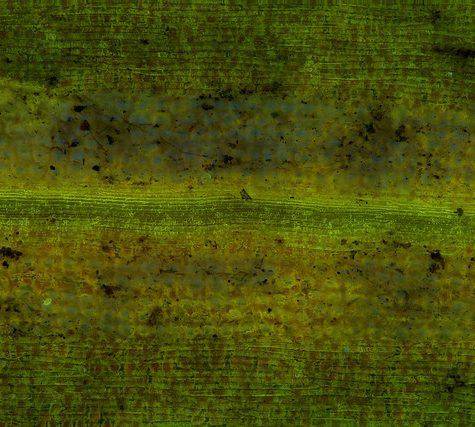
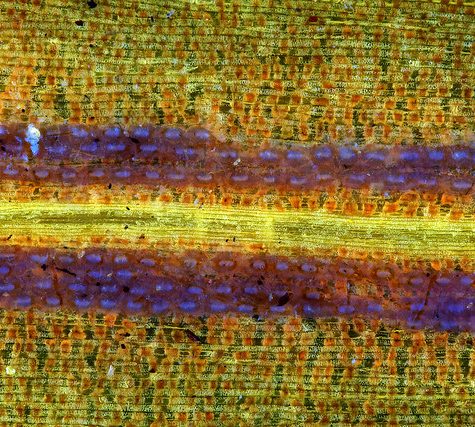
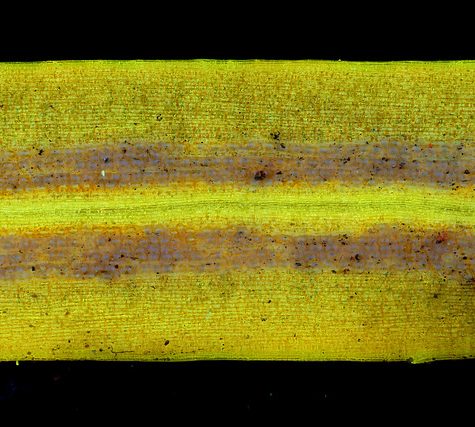
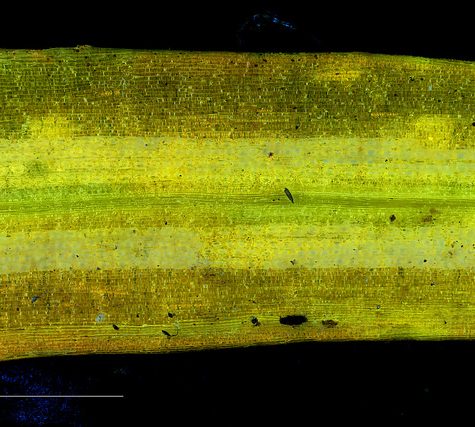
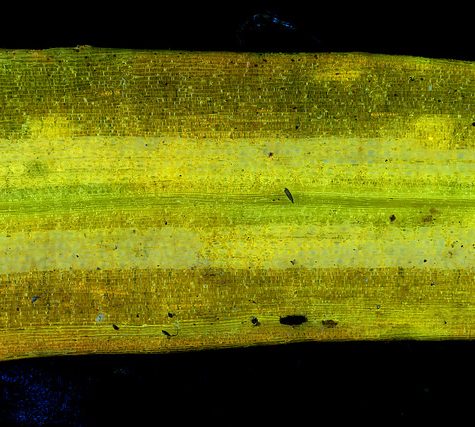
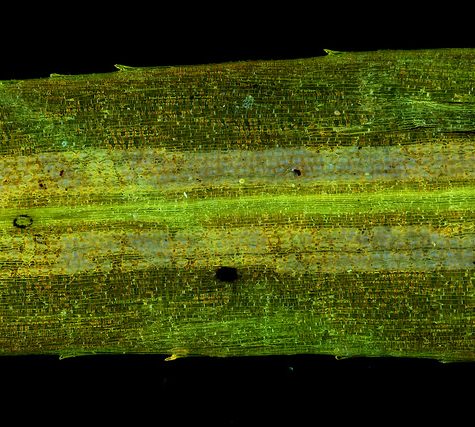
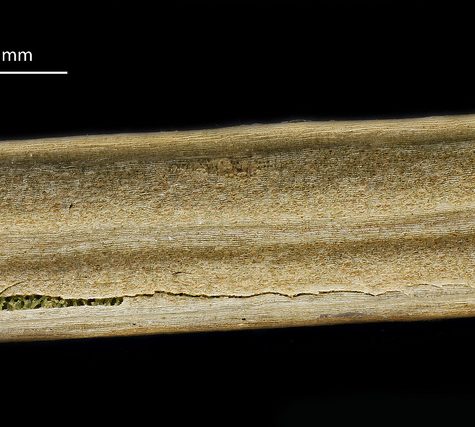
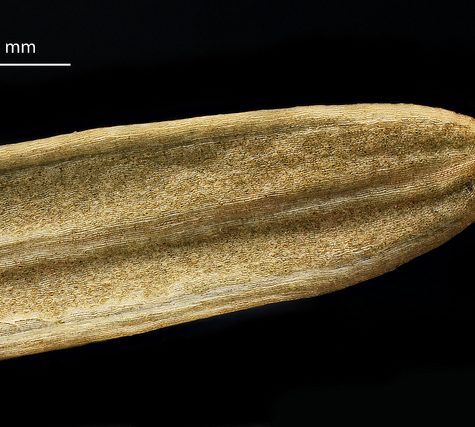
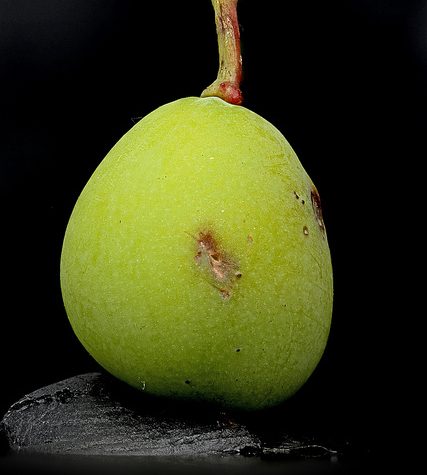
A pine is any conifer in the genus Pinus, /ˈpiːnuːs/,[1] of the family Pinaceae. Pinus is the sole genus in the subfamily Pinoideae. The Plant List compiled by the Royal Botanic Gardens, Kew and Missouri Botanical Garden accepts 126 species names of pines as current, together with 35 unresolved species and many more synonyms.[2]

A pine is any conifer in the genus Pinus, /ˈpiːnuːs/,[1] of the family Pinaceae. Pinus is the sole genus in the subfamily Pinoideae. The Plant List compiled by the Royal Botanic Gardens, Kew and Missouri Botanical Garden accepts 126 species names of pines as current, together with 35 unresolved species and many more synonyms.[2]

A pine is any conifer in the genus Pinus, /ˈpiːnuːs/,[1] of the family Pinaceae. Pinus is the sole genus in the subfamily Pinoideae. The Plant List compiled by the Royal Botanic Gardens, Kew and Missouri Botanical Garden accepts 126 species names of pines as current, together with 35 unresolved species and many more synonyms.[2]

A pine is any conifer in the genus Pinus, /ˈpiːnuːs/,[1] of the family Pinaceae. Pinus is the sole genus in the subfamily Pinoideae. The Plant List compiled by the Royal Botanic Gardens, Kew and Missouri Botanical Garden accepts 126 species names of pines as current, together with 35 unresolved species and many more synonyms.[2]

A pine is any conifer in the genus Pinus, /ˈpiːnuːs/,[1] of the family Pinaceae. Pinus is the sole genus in the subfamily Pinoideae. The Plant List compiled by the Royal Botanic Gardens, Kew and Missouri Botanical Garden accepts 126 species names of pines as current, together with 35 unresolved species and many more synonyms.[2]

A pine is any conifer in the genus Pinus, /ˈpiːnuːs/,[1] of the family Pinaceae. Pinus is the sole genus in the subfamily Pinoideae. The Plant List compiled by the Royal Botanic Gardens, Kew and Missouri Botanical Garden accepts 126 species names of pines as current, together with 35 unresolved species and many more synonyms.[2]

A pine is any conifer in the genus Pinus, /ˈpiːnuːs/,[1] of the family Pinaceae. Pinus is the sole genus in the subfamily Pinoideae. The Plant List compiled by the Royal Botanic Gardens, Kew and Missouri Botanical Garden accepts 126 species names of pines as current, together with 35 unresolved species and many more synonyms.[2]

A pine is any conifer in the genus Pinus, /ˈpiːnuːs/,[1] of the family Pinaceae. Pinus is the sole genus in the subfamily Pinoideae. The Plant List compiled by the Royal Botanic Gardens, Kew and Missouri Botanical Garden accepts 126 species names of pines as current, together with 35 unresolved species and many more synonyms.[2]

Sequoioideae (redwoods) is a subfamily of coniferous trees within the familyCupressaceae.[2] It is most common in the coastal forests of Northern California.
The three redwood subfamily genera are Sequoia and Sequoiadendron of California and Oregon, United States; and Metasequoia in China. The redwood species contains the largest and tallest trees in the world. These trees can live thousands of years. This is an endangered subfamily due to habitat losses from fire ecology suppression, logging, and air pollution.[citation needed]
Only two of the genera, Sequoia and Sequoiadendron, are known for massive trees. Metasequoia, with the living species Metasequoia glyptostroboides, are much smaller.

Sequoioideae (redwoods) is a subfamily of coniferous trees within the familyCupressaceae.[2] It is most common in the coastal forests of Northern California.
The three redwood subfamily genera are Sequoia and Sequoiadendron of California and Oregon, United States; and Metasequoia in China. The redwood species contains the largest and tallest trees in the world. These trees can live thousands of years. This is an endangered subfamily due to habitat losses from fire ecology suppression, logging, and air pollution.[citation needed]
Only two of the genera, Sequoia and Sequoiadendron, are known for massive trees. Metasequoia, with the living species Metasequoia glyptostroboides, are much smaller.

A pine is any conifer in the genus Pinus, /ˈpiːnuːs/,[1] of the family Pinaceae. Pinus is the sole genus in the subfamily Pinoideae. The Plant List compiled by the Royal Botanic Gardens, Kew and Missouri Botanical Garden accepts 126 species names of pines as current, together with 35 unresolved species and many more synonyms.[2]

A pine is any conifer in the genus Pinus, /ˈpiːnuːs/,[1] of the family Pinaceae. Pinus is the sole genus in the subfamily Pinoideae. The Plant List compiled by the Royal Botanic Gardens, Kew and Missouri Botanical Garden accepts 126 species names of pines as current, together with 35 unresolved species and many more synonyms.[2]

A pine is any conifer in the genus Pinus, /ˈpiːnuːs/,[1] of the family Pinaceae. Pinus is the sole genus in the subfamily Pinoideae. The Plant List compiled by the Royal Botanic Gardens, Kew and Missouri Botanical Garden accepts 126 species names of pines as current, together with 35 unresolved species and many more synonyms.[2]

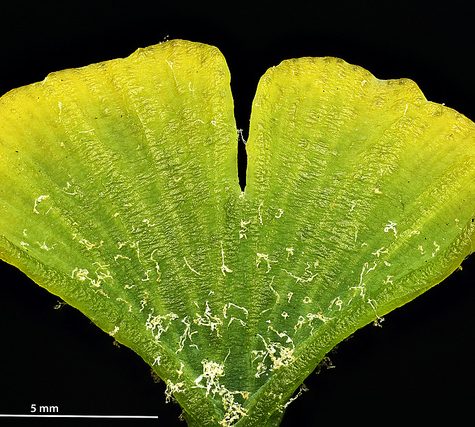
Ginkgo is a monotypic genus of highly unusual non-flowering plants. The scientific name is also used as the English name. The order to which it belongs, Ginkgoales, first appeared in the Permian,[4] 270 million years ago, possibly derived from “seed ferns” of the order Peltaspermales, and now only contains this single genus and species. The rate of evolution within the genus has been slow, and almost all its species had become extinct by the end of the Pliocene; the exception is the sole living species, Ginkgo biloba, which is only found in the wild in China, but is cultivated across the world. The relationships between ginkgos and other groups of plants are not fully resolved.

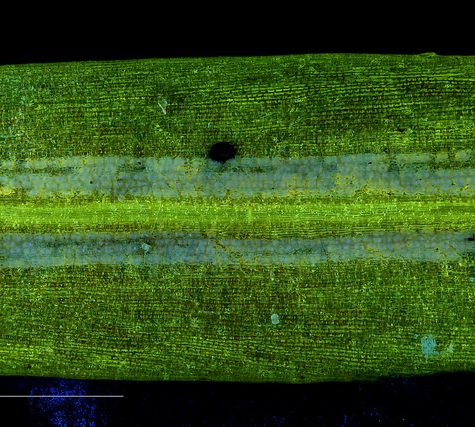
Ginkgo is a monotypic genus of highly unusual non-flowering plants. The scientific name is also used as the English name. The order to which it belongs, Ginkgoales, first appeared in the Permian,[4] 270 million years ago, possibly derived from “seed ferns” of the order Peltaspermales, and now only contains this single genus and species. The rate of evolution within the genus has been slow, and almost all its species had become extinct by the end of the Pliocene; the exception is the sole living species, Ginkgo biloba, which is only found in the wild in China, but is cultivated across the world. The relationships between ginkgos and other groups of plants are not fully resolved.
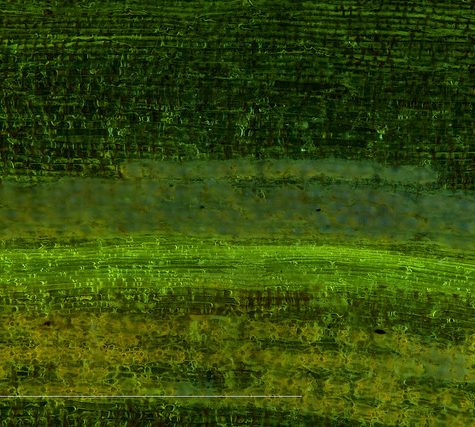
Ginkgo is a monotypic genus of highly unusual non-flowering plants. The scientific name is also used as the English name. The order to which it belongs, Ginkgoales, first appeared in the Permian,[4] 270 million years ago, possibly derived from “seed ferns” of the order Peltaspermales, and now only contains this single genus and species. The rate of evolution within the genus has been slow, and almost all its species had become extinct by the end of the Pliocene; the exception is the sole living species, Ginkgo biloba, which is only found in the wild in China, but is cultivated across the world. The relationships between ginkgos and other groups of plants are not fully resolved.