Showing 273–288 of 453 resultsSorted by price: high to low
Select options
This product has multiple variants. The options may be chosen on the product page
$19.00–$400.00Price range: $19.00 through $400.00
Cotton
Cotton is a soft, fluffy staple fiber that grows in a boll, or protective case, around the seeds of the cotton plants of the genus Gossypium in the mallow family Malvaceae. The fiber is almost pure cellulose. Under natural conditions, the cotton bolls will increase the dispersal of the seeds.
The plant is a shrub native to tropical and subtropical regions around the world, including the Americas, Africa, and India. The greatest diversity of wild cotton species is found in Mexico, followed by Australia and Africa.[1] Cotton was independently domesticated in the Old and New Worlds.
The fiber is most often spun into yarn or thread and used to make a soft, breathabletextile. The use of cotton for fabric is known to date to prehistoric times; fragments of cotton fabric dated from 5000 BC have been excavated in Mexico and between 6000 BC and 5000 BC in the Indus Valley Civilization. Although cultivated since antiquity, it was the invention of the cotton gin that lowered the cost of production that led to its widespread use, and it is the most widely used natural fiber cloth in clothing today.
Current estimates for world production are about 25 million tonnes or 110 million bales annually, accounting for 2.5% of the world’s arable land. China is the world’s largest producer of cotton, but most of this is used domestically. The United States has been the largest exporter for many years.[2] In the United States, cotton is usually measured in bales, which measure approximately 0.48 cubic meters (17 cubic feet) and weigh 226.8 kilograms (500 pounds).[3]
Select options
This product has multiple variants. The options may be chosen on the product page
Select options
This product has multiple variants. The options may be chosen on the product page
$19.00–$400.00Price range: $19.00 through $400.00
Silk Fiber
Silk is a natural proteinfiber, some forms of which can be woven into textiles. The protein fiber of silk is composed mainly of fibroin and is produced by certain insect larvae to form cocoons.[1] The best-known silk is obtained from the cocoons of the larvae of the mulberrysilkwormBombyx mori reared in captivity (sericulture). The shimmering appearance of silk is due to the triangular prism-like structure of the silk fibre, which allows silk cloth to refract incoming light at different angles, thus producing different colors.
Select options
This product has multiple variants. The options may be chosen on the product page
$19.00–$400.00Price range: $19.00 through $400.00
Wool Fiber
Wool is the textilefiber obtained from sheep and other animals, including cashmere and mohair from goats, qiviut from muskoxen, angora from rabbits, and other types of wool from camelids.[1] Wool mainly consists of protein together with a few percent lipids. In this regard it is chemically quite distinct from the more dominant textile, cotton, which is mainly cellulose.[1]
Select options
This product has multiple variants. The options may be chosen on the product page
$19.00–$400.00Price range: $19.00 through $400.00
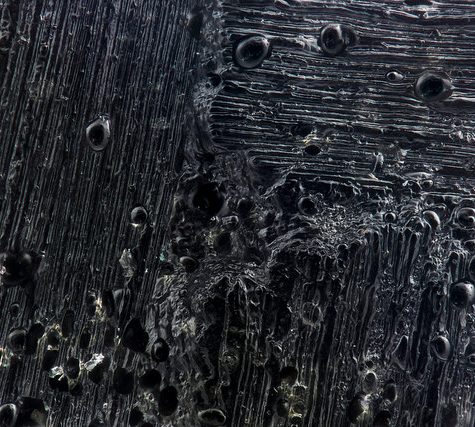
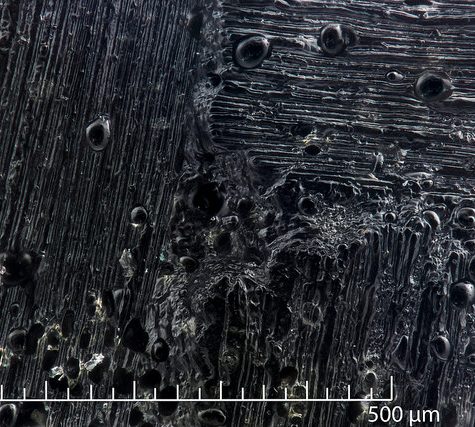
Carbon Fiber 50x
Carbon fiber reinforced polymer, carbon fiber reinforced plastic or carbon fiber reinforced thermoplastic (CFRP, CRP, CFRTP or often simply carbon fiber, carbon composite or even carbon), is an extremely strong and light fiber-reinforced plastic which contains carbon fibers. The spelling ‘fibre’ is common in British Commonwealth countries. CFRPs can be expensive to produce but are commonly used wherever high strength-to-weight ratio and rigidity are required, such as aerospace, automotive, civil engineering, sports goods and an increasing number of other consumer and technical applications.
The binding polymer is often a thermoset resin such as epoxy, but other thermoset or thermoplastic polymers, such as polyester, vinyl ester or nylon, are sometimes used. The composite may contain other fibers, such as an aramid (e.g. Kevlar, Twaron), aluminium, ultra-high-molecular-weight polyethylene (UHMWPE) or glass fibers, as well as carbon fiber. The properties of the final CFRP product can also be affected by the type of additives introduced to the binding matrix (the resin). The most frequent additive is silica, but other additives such as rubber and carbon nanotubes can be used. The material is also referred to as graphite-reinforced polymer or graphite fiber-reinforced polymer (GFRP is less common, as it clashes with glass-(fiber)-reinforced polymer).
Select options
This product has multiple variants. The options may be chosen on the product page
$19.00–$400.00Price range: $19.00 through $400.00
Carbon Fiber 50x
Carbon fiber reinforced polymer, carbon fiber reinforced plastic or carbon fiber reinforced thermoplastic (CFRP, CRP, CFRTP or often simply carbon fiber, carbon composite or even carbon), is an extremely strong and light fiber-reinforced plastic which contains carbon fibers. The spelling ‘fibre’ is common in British Commonwealth countries. CFRPs can be expensive to produce but are commonly used wherever high strength-to-weight ratio and rigidity are required, such as aerospace, automotive, civil engineering, sports goods and an increasing number of other consumer and technical applications.
The binding polymer is often a thermoset resin such as epoxy, but other thermoset or thermoplastic polymers, such as polyester, vinyl ester or nylon, are sometimes used. The composite may contain other fibers, such as an aramid (e.g. Kevlar, Twaron), aluminium, ultra-high-molecular-weight polyethylene (UHMWPE) or glass fibers, as well as carbon fiber. The properties of the final CFRP product can also be affected by the type of additives introduced to the binding matrix (the resin). The most frequent additive is silica, but other additives such as rubber and carbon nanotubes can be used. The material is also referred to as graphite-reinforced polymer or graphite fiber-reinforced polymer (GFRP is less common, as it clashes with glass-(fiber)-reinforced polymer).
Select options
This product has multiple variants. The options may be chosen on the product page
$19.00–$400.00Price range: $19.00 through $400.00
Carbon Fiber
Carbon fiber reinforced polymer, carbon fiber reinforced plastic or carbon fiber reinforced thermoplastic (CFRP, CRP, CFRTP or often simply carbon fiber, carbon composite or even carbon), is an extremely strong and light fiber-reinforced plastic which contains carbon fibers. The spelling ‘fibre’ is common in British Commonwealth countries. CFRPs can be expensive to produce but are commonly used wherever high strength-to-weight ratio and rigidity are required, such as aerospace, automotive, civil engineering, sports goods and an increasing number of other consumer and technical applications.
The binding polymer is often a thermoset resin such as epoxy, but other thermoset or thermoplastic polymers, such as polyester, vinyl ester or nylon, are sometimes used. The composite may contain other fibers, such as an aramid (e.g. Kevlar, Twaron), aluminium, ultra-high-molecular-weight polyethylene (UHMWPE) or glass fibers, as well as carbon fiber. The properties of the final CFRP product can also be affected by the type of additives introduced to the binding matrix (the resin). The most frequent additive is silica, but other additives such as rubber and carbon nanotubes can be used. The material is also referred to as graphite-reinforced polymer or graphite fiber-reinforced polymer (GFRP is less common, as it clashes with glass-(fiber)-reinforced polymer).
Select options
This product has multiple variants. The options may be chosen on the product page
$19.00–$400.00Price range: $19.00 through $400.00
Carbon Fiber
Carbon fiber reinforced polymer, carbon fiber reinforced plastic or carbon fiber reinforced thermoplastic (CFRP, CRP, CFRTP or often simply carbon fiber, carbon composite or even carbon), is an extremely strong and light fiber-reinforced plastic which contains carbon fibers. The spelling ‘fibre’ is common in British Commonwealth countries. CFRPs can be expensive to produce but are commonly used wherever high strength-to-weight ratio and rigidity are required, such as aerospace, automotive, civil engineering, sports goods and an increasing number of other consumer and technical applications.
The binding polymer is often a thermoset resin such as epoxy, but other thermoset or thermoplastic polymers, such as polyester, vinyl ester or nylon, are sometimes used. The composite may contain other fibers, such as an aramid (e.g. Kevlar, Twaron), aluminium, ultra-high-molecular-weight polyethylene (UHMWPE) or glass fibers, as well as carbon fiber. The properties of the final CFRP product can also be affected by the type of additives introduced to the binding matrix (the resin). The most frequent additive is silica, but other additives such as rubber and carbon nanotubes can be used. The material is also referred to as graphite-reinforced polymer or graphite fiber-reinforced polymer (GFRP is less common, as it clashes with glass-(fiber)-reinforced polymer).
Select options
This product has multiple variants. The options may be chosen on the product page
$19.00–$400.00Price range: $19.00 through $400.00
Tea Bag
A tea bag is a small, porous, sealed bag containing dried plant material, which is immersed in boiling water to make a tea or an infusion. Classically these are tea leaves (Camellia sinensis), but the term is also used for herbal teas (tisanes) made of herbs or spices. Tea bags are commonly made of filter paper or food-grade plastic, or occasionally of silk. The bag contains the tea leaves while the tea is steeped, making it easier to dispose of the leaves, and performs the same function as a tea infuser. Some tea bags have an attached piece of string with a paper label at the top that assists in removing the bag while also displaying the brand or variety of tea.
In countries where the use of loose tea leaves is more prevalent, the term “tea bag” is commonly used to describe paper or foil packaging for loose leaves. They are usually square or rectangular envelopes with the brand name, flavour and decorative patterns printed on them.
Select options
This product has multiple variants. The options may be chosen on the product page
$19.00–$400.00Price range: $19.00 through $400.00
Tea Bag 50x
A tea bag is a small, porous, sealed bag containing dried plant material, which is immersed in boiling water to make a tea or an infusion. Classically these are tea leaves (Camellia sinensis), but the term is also used for herbal teas (tisanes) made of herbs or spices. Tea bags are commonly made of filter paper or food-grade plastic, or occasionally of silk. The bag contains the tea leaves while the tea is steeped, making it easier to dispose of the leaves, and performs the same function as a tea infuser. Some tea bags have an attached piece of string with a paper label at the top that assists in removing the bag while also displaying the brand or variety of tea.
In countries where the use of loose tea leaves is more prevalent, the term “tea bag” is commonly used to describe paper or foil packaging for loose leaves. They are usually square or rectangular envelopes with the brand name, flavour and decorative patterns printed on them.
Select options
This product has multiple variants. The options may be chosen on the product page
$19.00–$400.00Price range: $19.00 through $400.00
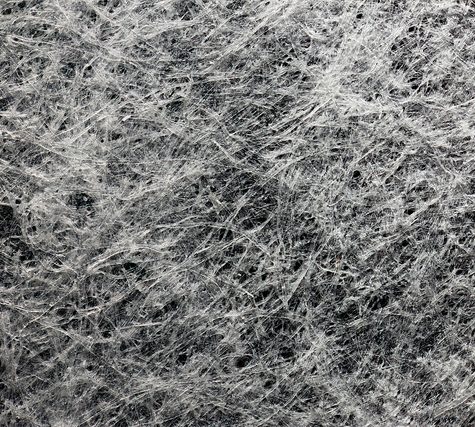
Coffee Filter
A coffee filter is a coffee-brewing utensil, usually made of disposable paper. This enables it to trap the coffee grounds and allow the liquid coffee to flow through.
Paper filters remove oily components called diterpenes; these organic compounds, present in unfiltered coffee are known to be antimicrobial and antiinflammatory. Metal or nylon mesh filters do not remove these components.[1]
Select options
This product has multiple variants. The options may be chosen on the product page
$19.00–$400.00Price range: $19.00 through $400.00
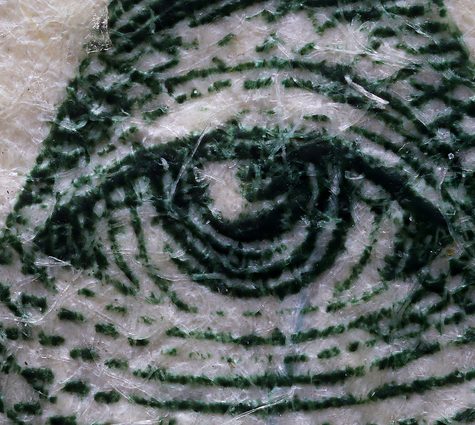
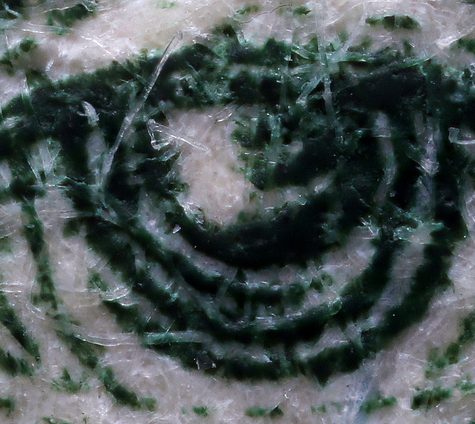
Dollar Bill
A currency (from Middle English: curraunt, “in circulation”, from Latin: currens, -entis) in the most specific use of the word refers to money in any form when in actual use or circulation as a medium of exchange, especially circulating banknotes and coins.[1][2]A more general definition is that a currency is a system of money (monetary units) in common use, especially in a nation.[3] Under this definition, US dollars, British pounds, Australian dollars, and European euros are examples of currency. These various currencies are recognized stores of value and are traded between nations in foreign exchange markets, which determine the relative values of the different currencies.[4] Currencies in this sense are defined by governments, and each type has limited boundaries of acceptance.
Select options
This product has multiple variants. The options may be chosen on the product page
$19.00–$400.00Price range: $19.00 through $400.00
Dollar Bill
A currency (from Middle English: curraunt, “in circulation”, from Latin: currens, -entis) in the most specific use of the word refers to money in any form when in actual use or circulation as a medium of exchange, especially circulating banknotes and coins.[1][2]A more general definition is that a currency is a system of money (monetary units) in common use, especially in a nation.[3] Under this definition, US dollars, British pounds, Australian dollars, and European euros are examples of currency. These various currencies are recognized stores of value and are traded between nations in foreign exchange markets, which determine the relative values of the different currencies.[4] Currencies in this sense are defined by governments, and each type has limited boundaries of acceptance.
Select options
This product has multiple variants. The options may be chosen on the product page
$19.00–$400.00Price range: $19.00 through $400.00
Dollar Bill
A currency (from Middle English: curraunt, “in circulation”, from Latin: currens, -entis) in the most specific use of the word refers to money in any form when in actual use or circulation as a medium of exchange, especially circulating banknotes and coins.[1][2]A more general definition is that a currency is a system of money (monetary units) in common use, especially in a nation.[3] Under this definition, US dollars, British pounds, Australian dollars, and European euros are examples of currency. These various currencies are recognized stores of value and are traded between nations in foreign exchange markets, which determine the relative values of the different currencies.[4] Currencies in this sense are defined by governments, and each type has limited boundaries of acceptance.
Select options
This product has multiple variants. The options may be chosen on the product page
$19.00–$400.00Price range: $19.00 through $400.00
Dollar Bill
A currency (from Middle English: curraunt, “in circulation”, from Latin: currens, -entis) in the most specific use of the word refers to money in any form when in actual use or circulation as a medium of exchange, especially circulating banknotes and coins.[1][2]A more general definition is that a currency is a system of money (monetary units) in common use, especially in a nation.[3] Under this definition, US dollars, British pounds, Australian dollars, and European euros are examples of currency. These various currencies are recognized stores of value and are traded between nations in foreign exchange markets, which determine the relative values of the different currencies.[4] Currencies in this sense are defined by governments, and each type has limited boundaries of acceptance.
Select options
This product has multiple variants. The options may be chosen on the product page
$19.00–$400.00Price range: $19.00 through $400.00
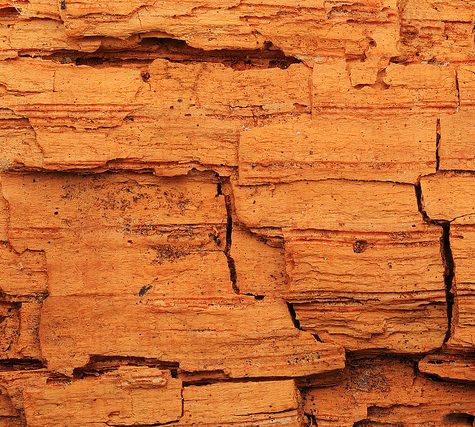
Dry Rot, Wood
Wood is a porous and fibrous structural tissue found in the stems and roots of trees and other woody plants. It is an organic material, a natural composite of cellulose fibers that are strong in tension and embedded in a matrix of lignin that resists compression. Wood is sometimes defined as only the secondary xylem in the stems of trees,[1] or it is defined more broadly to include the same type of tissue elsewhere such as in the roots of trees or shrubs.[citation needed]In a living tree it performs a support function, enabling woody plants to grow large or to stand up by themselves. It also conveys water and nutrients between the leaves, other growing tissues, and the roots. Wood may also refer to other plant materials with comparable properties, and to material engineered from wood, or wood chips or fiber.