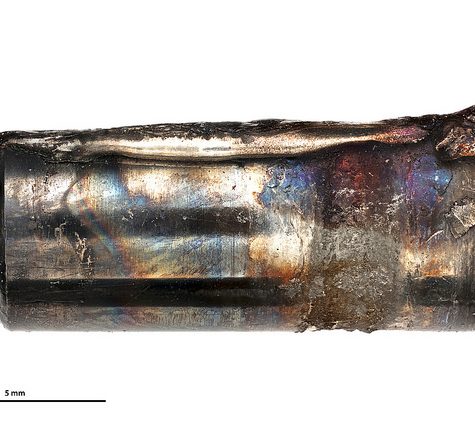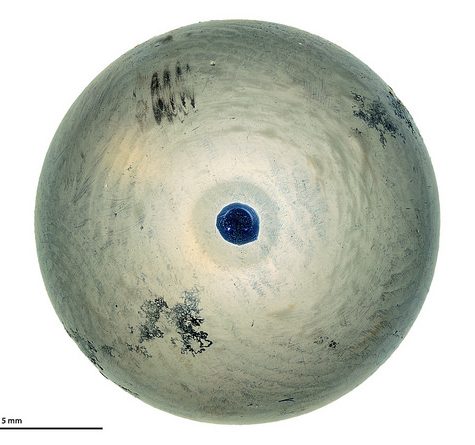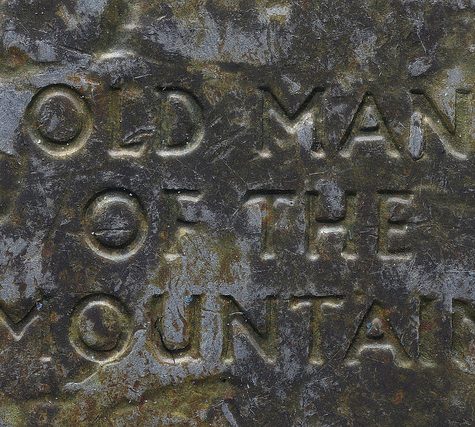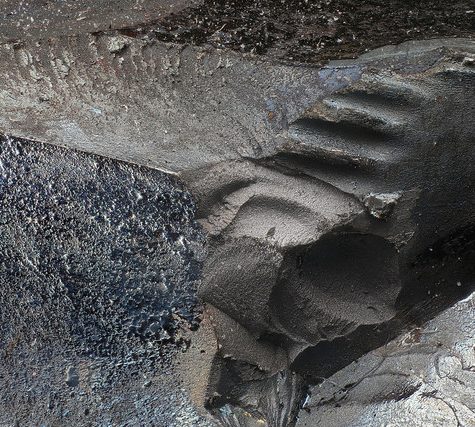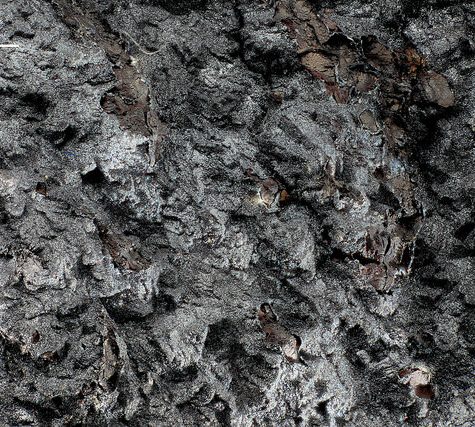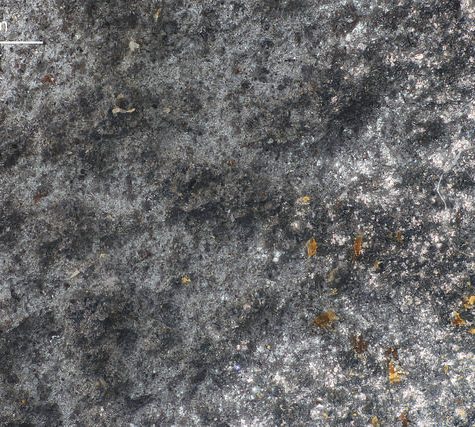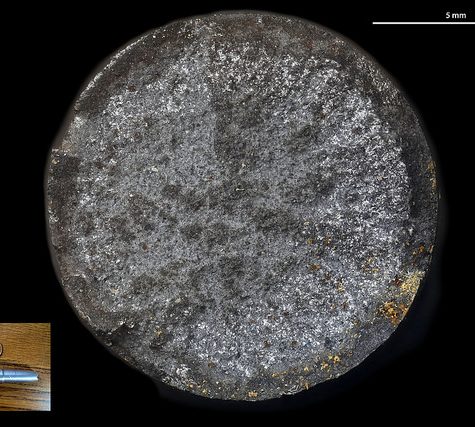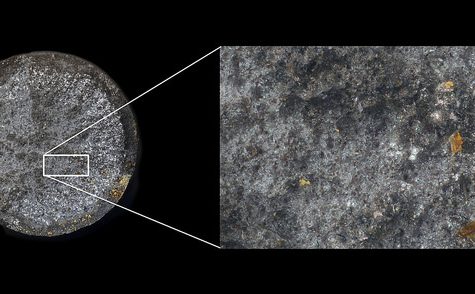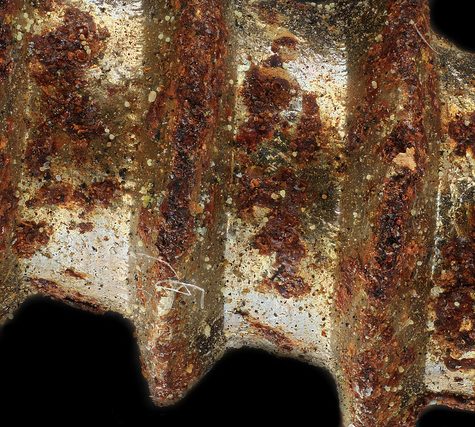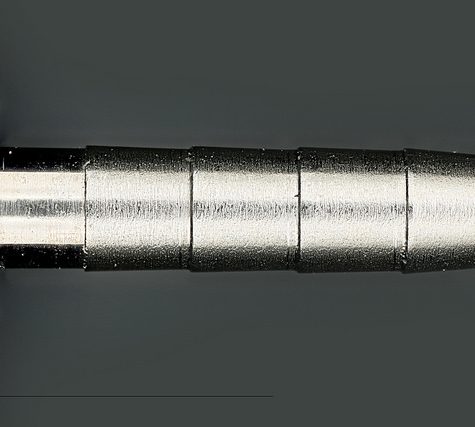
Stem Connect Hydraulic Brake Hose to Brake Lever, 3:1, 3x magnification
Select options This product has multiple variants. The options may be chosen on the product page
Price range: $19.00 through $400.00
Stem Connect Hydraulic Brake Hose to Brake Lever, 3:1, 3x magnification

SRAM Corporation is a privately owned bicycle component manufacturer based in Chicago, Illinois, United States, founded in 1987.[2] SRAM is an acronym comprising the names of its founders, Scott, Ray, and Sam, (where Ray is the middle name of company head Stan Day).[2] The company is known for producing cycling components, including some internally developed, such as Grip Shift, EAGLE (1×12), DoubleTap, dedicated 1×11 mountain and road drivetrains and SRAM Red eTap.[3][4][5]
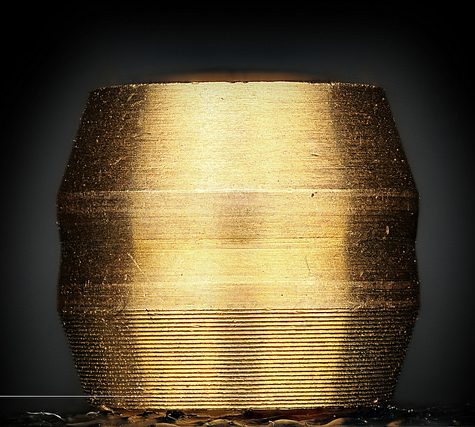
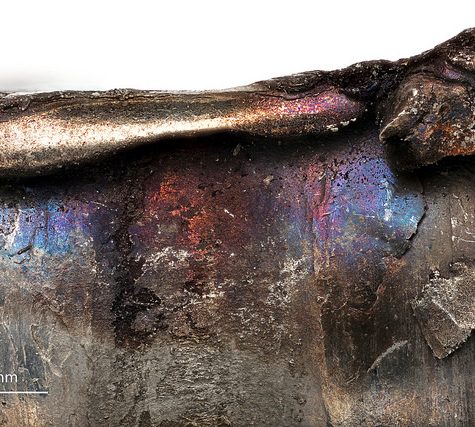
Olive to Connect Hydraulic Brake Hose to Brake Lever, 3:1, 3x magnification
Select options This product has multiple variants. The options may be chosen on the product page
Price range: $19.00 through $400.00
Olive to Connect Hydraulic Brake Hose to Brake Lever, 3:1, 3x magnification

Common roller bearings use cylinders of slightly greater length than diameter. Roller bearings typically have higher radial load capacity than ball bearings, but a lower capacity and higher friction under axial loads. If the inner and outer races are misaligned, the bearing capacity often drops quickly compared to either a ball bearing or a spherical roller bearing.

Failed Roller Bearing
Select options This product has multiple variants. The options may be chosen on the product page
Price range: $19.00 through $400.00
Failed Roller Bearing

Common roller bearings use cylinders of slightly greater length than diameter. Roller bearings typically have higher radial load capacity than ball bearings, but a lower capacity and higher friction under axial loads. If the inner and outer races are misaligned, the bearing capacity often drops quickly compared to either a ball bearing or a spherical roller bearing.

Failed Roller Bearing
Select options This product has multiple variants. The options may be chosen on the product page
Price range: $19.00 through $400.00
Failed Roller Bearing

Common roller bearings use cylinders of slightly greater length than diameter. Roller bearings typically have higher radial load capacity than ball bearings, but a lower capacity and higher friction under axial loads. If the inner and outer races are misaligned, the bearing capacity often drops quickly compared to either a ball bearing or a spherical roller bearing.

Ball Bearing
Select options This product has multiple variants. The options may be chosen on the product page
Price range: $19.00 through $400.00
Ball Bearing

A ball bearing is a type of rolling-element bearing that uses balls to maintain the separation between the bearing races.

The purpose of a ball bearing is to reduce rotational friction and support radial and axialloads. It achieves this by using at least two races to contain the balls and transmit the loads through the balls. In most applications, one race is stationary and the other is attached to the rotating assembly (e.g., a hub or shaft). As one of the bearing races rotates it causes the balls to rotate as well. Because the balls are rolling they have a much lower coefficient of friction than if two flat surfaces were sliding against each other.

New Hampshire Quarter
Select options This product has multiple variants. The options may be chosen on the product page
Price range: $19.00 through $400.00
New Hampshire Quarter

Metal testing is a process or procedure used to check composition of an unknown metallic substance. There are destructive processes and nondestructive processes. Metal testing can also include, determining the properties of newly forged metal alloys. With many chemical-property databases readily available, identification of unmarked pure,common metals can be a quick and easy process. Leaving the original sample in complete, re-usable condition. This type of testing is nondestructive. When working with alloys (forged mixtures) of metals however, to determine the exact composition, could result in the original sample being separated into its starting materials, then measured and calculated. After the components are known they can be looked up and matched to known alloys. The original sample would be destroyed in the process. This type of testing is destructive.

Metal Quality Testing
Select options This product has multiple variants. The options may be chosen on the product page
Price range: $19.00 through $400.00
Metal Quality Testing

Metal testing is a process or procedure used to check composition of an unknown metallic substance. There are destructive processes and nondestructive processes. Metal testing can also include, determining the properties of newly forged metal alloys. With many chemical-property databases readily available, identification of unmarked pure,common metals can be a quick and easy process. Leaving the original sample in complete, re-usable condition. This type of testing is nondestructive. When working with alloys (forged mixtures) of metals however, to determine the exact composition, could result in the original sample being separated into its starting materials, then measured and calculated. After the components are known they can be looked up and matched to known alloys. The original sample would be destroyed in the process. This type of testing is destructive.

Metal Quality Testing
Select options This product has multiple variants. The options may be chosen on the product page
Price range: $19.00 through $400.00
Metal Quality Testing

Metal testing is a process or procedure used to check composition of an unknown metallic substance. There are destructive processes and nondestructive processes. Metal testing can also include, determining the properties of newly forged metal alloys. With many chemical-property databases readily available, identification of unmarked pure,common metals can be a quick and easy process. Leaving the original sample in complete, re-usable condition. This type of testing is nondestructive. When working with alloys (forged mixtures) of metals however, to determine the exact composition, could result in the original sample being separated into its starting materials, then measured and calculated. After the components are known they can be looked up and matched to known alloys. The original sample would be destroyed in the process. This type of testing is destructive.

Metal Quality Testing
Select options This product has multiple variants. The options may be chosen on the product page
Price range: $19.00 through $400.00
Metal Quality Testing

Metal testing is a process or procedure used to check composition of an unknown metallic substance. There are destructive processes and nondestructive processes. Metal testing can also include, determining the properties of newly forged metal alloys. With many chemical-property databases readily available, identification of unmarked pure,common metals can be a quick and easy process. Leaving the original sample in complete, re-usable condition. This type of testing is nondestructive. When working with alloys (forged mixtures) of metals however, to determine the exact composition, could result in the original sample being separated into its starting materials, then measured and calculated. After the components are known they can be looked up and matched to known alloys. The original sample would be destroyed in the process. This type of testing is destructive.

Metal Quality Testing
Select options This product has multiple variants. The options may be chosen on the product page
Price range: $19.00 through $400.00
Metal Quality Testing

Metal testing is a process or procedure used to check composition of an unknown metallic substance. There are destructive processes and nondestructive processes. Metal testing can also include, determining the properties of newly forged metal alloys. With many chemical-property databases readily available, identification of unmarked pure,common metals can be a quick and easy process. Leaving the original sample in complete, re-usable condition. This type of testing is nondestructive. When working with alloys (forged mixtures) of metals however, to determine the exact composition, could result in the original sample being separated into its starting materials, then measured and calculated. After the components are known they can be looked up and matched to known alloys. The original sample would be destroyed in the process. This type of testing is destructive.

Metal Quality Testing
Select options This product has multiple variants. The options may be chosen on the product page
Price range: $19.00 through $400.00
Metal Quality Testing

Metal testing is a process or procedure used to check composition of an unknown metallic substance. There are destructive processes and nondestructive processes. Metal testing can also include, determining the properties of newly forged metal alloys. With many chemical-property databases readily available, identification of unmarked pure,common metals can be a quick and easy process. Leaving the original sample in complete, re-usable condition. This type of testing is nondestructive. When working with alloys (forged mixtures) of metals however, to determine the exact composition, could result in the original sample being separated into its starting materials, then measured and calculated. After the components are known they can be looked up and matched to known alloys. The original sample would be destroyed in the process. This type of testing is destructive.

Rusty Wood Screw
Select options This product has multiple variants. The options may be chosen on the product page
Price range: $19.00 through $400.00
Rusty Wood Screw

A screw is a type of fastener, sometimes similar to a bolt (see Differentiation between bolt and screw below), typically made of metal, and characterized by a helical ridge, known as a male thread (external thread) or just thread.