Showing 113–128 of 296 resultsSorted by price: high to low
Select options
This product has multiple variants. The options may be chosen on the product page
$19.00–$400.00Price range: $19.00 through $400.00
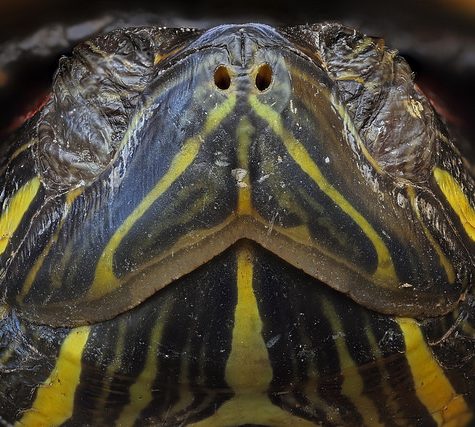
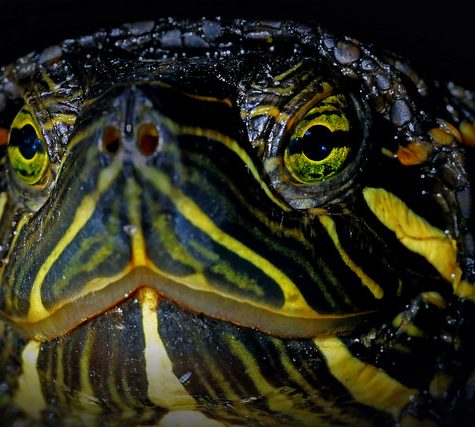
Painted Turtle
The painted turtle (Chrysemys picta) is the most widespread native turtle of North America. It lives in slow-moving fresh waters, from southern Canada to Louisiana and northern Mexico, and from the Atlantic to the Pacific. The turtle is the only species of the genusChrysemys, which is part of the pond turtle family Emydidae. Fossils show that the painted turtle existed 15 million years ago. Four regionally based subspecies (the eastern, midland, southern, and western) evolved during the last ice age.
Select options
This product has multiple variants. The options may be chosen on the product page
$19.00–$400.00Price range: $19.00 through $400.00
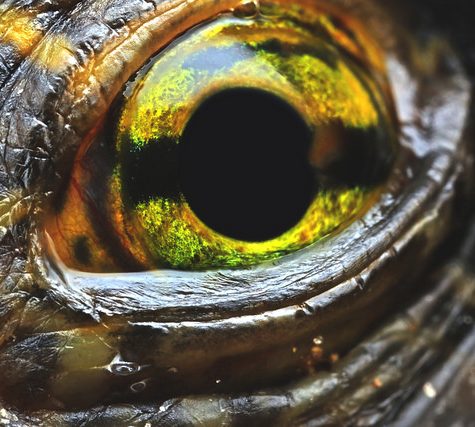
Painted Turtle
The painted turtle (Chrysemys picta) is the most widespread native turtle of North America. It lives in slow-moving fresh waters, from southern Canada to Louisiana and northern Mexico, and from the Atlantic to the Pacific. The turtle is the only species of the genusChrysemys, which is part of the pond turtle family Emydidae. Fossils show that the painted turtle existed 15 million years ago. Four regionally based subspecies (the eastern, midland, southern, and western) evolved during the last ice age.
Select options
This product has multiple variants. The options may be chosen on the product page
$19.00–$400.00Price range: $19.00 through $400.00
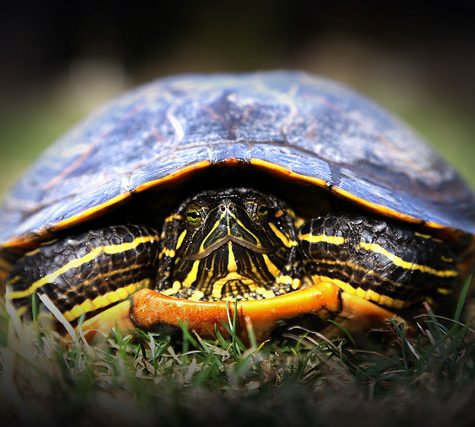
Painted Turtle
The painted turtle (Chrysemys picta) is the most widespread native turtle of North America. It lives in slow-moving fresh waters, from southern Canada to Louisiana and northern Mexico, and from the Atlantic to the Pacific. The turtle is the only species of the genusChrysemys, which is part of the pond turtle family Emydidae. Fossils show that the painted turtle existed 15 million years ago. Four regionally based subspecies (the eastern, midland, southern, and western) evolved during the last ice age.
Select options
This product has multiple variants. The options may be chosen on the product page
$19.00–$400.00Price range: $19.00 through $400.00
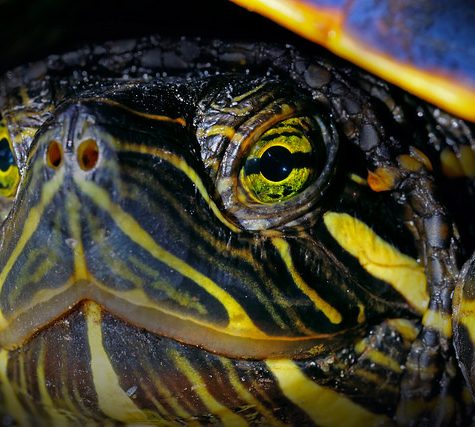
Painted Turtle
The painted turtle (Chrysemys picta) is the most widespread native turtle of North America. It lives in slow-moving fresh waters, from southern Canada to Louisiana and northern Mexico, and from the Atlantic to the Pacific. The turtle is the only species of the genusChrysemys, which is part of the pond turtle family Emydidae. Fossils show that the painted turtle existed 15 million years ago. Four regionally based subspecies (the eastern, midland, southern, and western) evolved during the last ice age.
Select options
This product has multiple variants. The options may be chosen on the product page
$19.00–$400.00Price range: $19.00 through $400.00
Painted Turtle
The painted turtle (Chrysemys picta) is the most widespread native turtle of North America. It lives in slow-moving fresh waters, from southern Canada to Louisiana and northern Mexico, and from the Atlantic to the Pacific. The turtle is the only species of the genusChrysemys, which is part of the pond turtle family Emydidae. Fossils show that the painted turtle existed 15 million years ago. Four regionally based subspecies (the eastern, midland, southern, and western) evolved during the last ice age.
Select options
This product has multiple variants. The options may be chosen on the product page
$19.00–$400.00Price range: $19.00 through $400.00
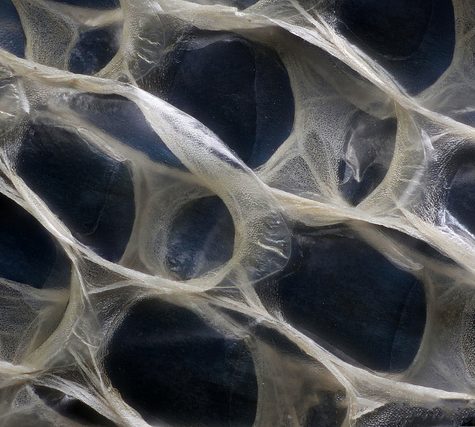
Snake Skin
Snakeskin may either refer to the skin of a live snake, the shed skin of a snake after molting, or to a type of leather that is made from the hide of a dead snake.
Select options
This product has multiple variants. The options may be chosen on the product page
$19.00–$400.00Price range: $19.00 through $400.00
Unknown Eggs
For the purpose of reproduction most amphibians require fresh wateralthough some lay their eggs on land and have developed various means of keeping them moist. A few (e.g. Fejervarya raja) can inhabit brackish water, but there are no true marine amphibians.[66] There are reports, however, of particular amphibian populations unexpectedly invading marine waters. Such was the case with the Black Sea invasion of the natural hybrid Pelophylax esculentus reported in 2010.[67]
Select options
This product has multiple variants. The options may be chosen on the product page
$19.00–$400.00Price range: $19.00 through $400.00
Unknown Eggs
For the purpose of reproduction most amphibians require fresh wateralthough some lay their eggs on land and have developed various means of keeping them moist. A few (e.g. Fejervarya raja) can inhabit brackish water, but there are no true marine amphibians.[66] There are reports, however, of particular amphibian populations unexpectedly invading marine waters. Such was the case with the Black Sea invasion of the natural hybrid Pelophylax esculentus reported in 2010.[67]
Select options
This product has multiple variants. The options may be chosen on the product page
Select options
This product has multiple variants. The options may be chosen on the product page
$19.00–$400.00Price range: $19.00 through $400.00
Egg form a Wood Frog, Tolland CT Apr. 16 2015
The wood frog (Lithobates sylvaticus or Rana sylvatica[2]) has a broad distribution over North America, extending from the Boreal forest of Canada and Alaska to the southern Appalachians, with several notable disjunct populations including lowland eastern North Carolina. The wood frog has garnered attention by biologists over the last century because of its freeze tolerance, relatively great degree of terrestrialism (for a ranid), interesting habitat associations (peat bogs, vernal pools, uplands), and relatively long-range movements. The ecology and conservation of the wood frog has attracted research attention in recent years because they are often considered “obligate” breeders in ephemeral wetlands (sometimes called “vernal pools”) that are themselves more imperiled than the species that breed in them. The wood frog has been proposed to be the official state amphibian of New York.[3]
Select options
This product has multiple variants. The options may be chosen on the product page
$19.00–$400.00Price range: $19.00 through $400.00
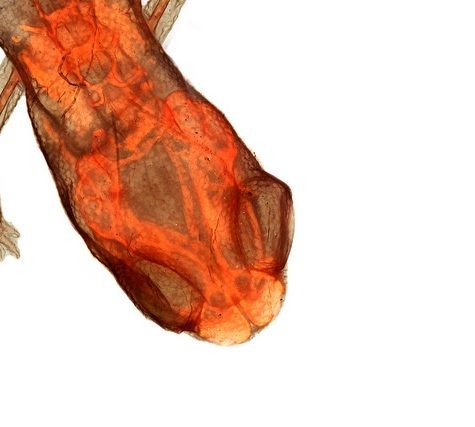
Salamander Imagery, Sample used in 1997 Paper: Geographic Variation and Phenotypic Plasticity of Number of Trunk Vertebrae in Slender Salamanders, Batrachoseps (Caudata: Plethodontidae)
The Plethodontidae, or lungless salamanders, are a family of salamanders. Most species are native to the Western Hemisphere, from British Columbia to Brazil, although a few species are found in Sardinia, Europe south of the Alps, and South Korea. In terms of number of species, they are by far the largest group of salamanders.
Select options
This product has multiple variants. The options may be chosen on the product page
$19.00–$400.00Price range: $19.00 through $400.00
Salamander Imagery, Sample used in 1997 Paper: Geographic Variation and Phenotypic Plasticity of Number of Trunk Vertebrae in Slender Salamanders, Batrachoseps (Caudata: Plethodontidae)
The Plethodontidae, or lungless salamanders, are a family of salamanders. Most species are native to the Western Hemisphere, from British Columbia to Brazil, although a few species are found in Sardinia, Europe south of the Alps, and South Korea. In terms of number of species, they are by far the largest group of salamanders.
Select options
This product has multiple variants. The options may be chosen on the product page
$19.00–$400.00Price range: $19.00 through $400.00
Salamander Imagery, Sample used in 1997 Paper: Geographic Variation and Phenotypic Plasticity of Number of Trunk Vertebrae in Slender Salamanders, Batrachoseps (Caudata: Plethodontidae)
The Plethodontidae, or lungless salamanders, are a family of salamanders. Most species are native to the Western Hemisphere, from British Columbia to Brazil, although a few species are found in Sardinia, Europe south of the Alps, and South Korea. In terms of number of species, they are by far the largest group of salamanders.