Select options
This product has multiple variants. The options may be chosen on the product page
$19.00–$400.00Price range: $19.00 through $400.00
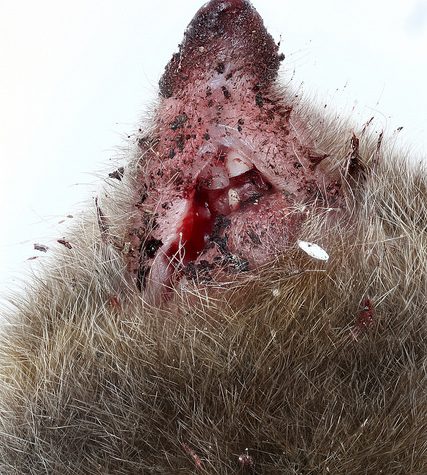
Mole Face, Glastonbury, CT Line St Oct 28, 2017
Moles are small mammals adapted to a subterranean lifestyle (i.e., fossorial). They have cylindrical bodies, velvety fur, very small, inconspicuous ears and eyes,[1]reduced hindlimbs and short, powerful forelimbs with large paws adapted for digging. The term “mole” is especially and most properly used for “true moles” of the Talpidaefamily in the order Eulipotyphla found in most parts of North America,[2]Asia, and Europe; although it may also refer to other completely unrelated mammals of Australia and southern Africa that have also evolved the mole body plan; it is not commonly used for some talpids, such as desmans and shrew-moles, which do not quite fit the common definition of “mole”.
Select options
This product has multiple variants. The options may be chosen on the product page
$19.00–$400.00Price range: $19.00 through $400.00
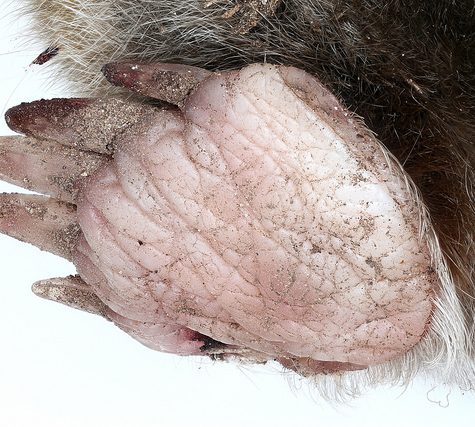
Mole Foot, Glastonbury, CT Line St Oct 28, 2017
Moles are small mammals adapted to a subterranean lifestyle (i.e., fossorial). They have cylindrical bodies, velvety fur, very small, inconspicuous ears and eyes,[1]reduced hindlimbs and short, powerful forelimbs with large paws adapted for digging. The term “mole” is especially and most properly used for “true moles” of the Talpidaefamily in the order Eulipotyphla found in most parts of North America,[2]Asia, and Europe; although it may also refer to other completely unrelated mammals of Australia and southern Africa that have also evolved the mole body plan; it is not commonly used for some talpids, such as desmans and shrew-moles, which do not quite fit the common definition of “mole”.
Select options
This product has multiple variants. The options may be chosen on the product page
$19.00–$400.00Price range: $19.00 through $400.00
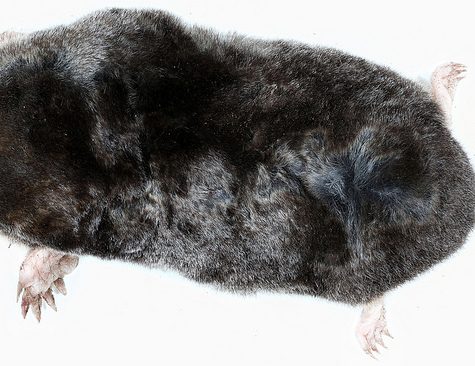
Mole, Glastonbury, CT Line St Oct 28, 2017
Moles are small mammals adapted to a subterranean lifestyle (i.e., fossorial). They have cylindrical bodies, velvety fur, very small, inconspicuous ears and eyes,[1]reduced hindlimbs and short, powerful forelimbs with large paws adapted for digging. The term “mole” is especially and most properly used for “true moles” of the Talpidaefamily in the order Eulipotyphla found in most parts of North America,[2]Asia, and Europe; although it may also refer to other completely unrelated mammals of Australia and southern Africa that have also evolved the mole body plan; it is not commonly used for some talpids, such as desmans and shrew-moles, which do not quite fit the common definition of “mole”.

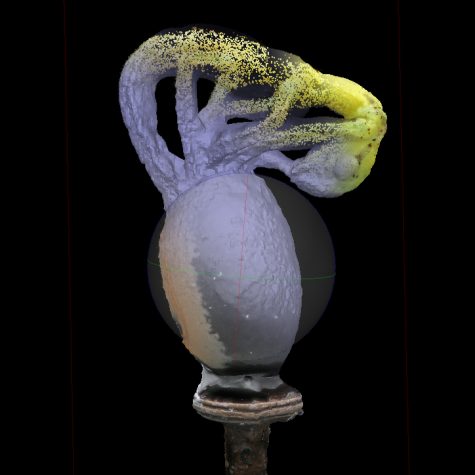 Hatching Stick Insect
 Diffuser for Mitutoyo M Plan APO Objectives
 Turtledove Diffusers: Canon MT-24 EX Twin Lite Flash