Select options
This product has multiple variants. The options may be chosen on the product page
$19.00–$400.00Price range: $19.00 through $400.00
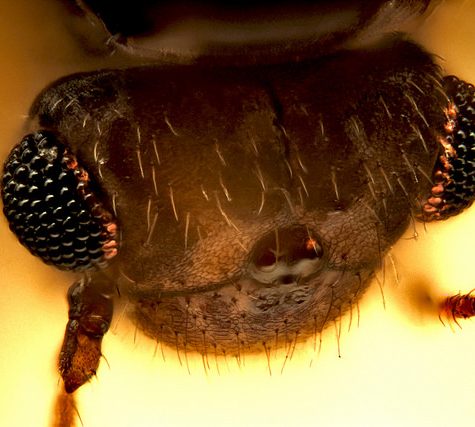
Book Lice Unkown Insect, Coventry CT. Mounted on Pinpoint. Very Small.
Psocoptera are an order of insects that are commonly known as booklice, barklice or barkflies.[1] They first appeared in the Permian period, 295–248 million years ago. They are often regarded as the most primitive of the hemipteroids.[2] Their name originates from the Greek word ψῶχος, psokhosmeaning gnawed or rubbed and πτερά, ptera meaning wings.[3] There are more than 5,500 species in 41 families in three suborders. Many of these species have only been described in recent years.[4]
Select options
This product has multiple variants. The options may be chosen on the product page
$19.00–$400.00Price range: $19.00 through $400.00
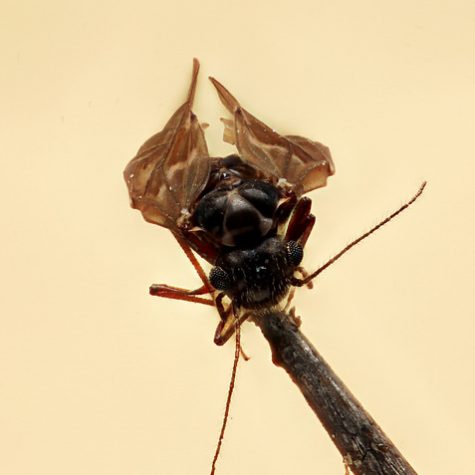
Book Lice Unkown Insect, Coventry CT. Mounted on Pinpoint. Very Small.
Psocoptera are an order of insects that are commonly known as booklice, barklice or barkflies.[1] They first appeared in the Permian period, 295–248 million years ago. They are often regarded as the most primitive of the hemipteroids.[2] Their name originates from the Greek word ψῶχος, psokhosmeaning gnawed or rubbed and πτερά, ptera meaning wings.[3] There are more than 5,500 species in 41 families in three suborders. Many of these species have only been described in recent years.[4]
Select options
This product has multiple variants. The options may be chosen on the product page
$19.00–$400.00Price range: $19.00 through $400.00
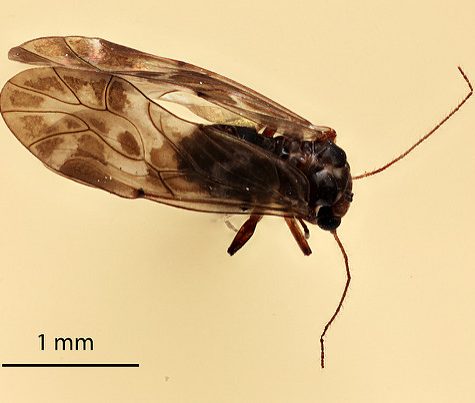
Book Lice Unkown Insect, Coventry CT. Mounted on Pinpoint. Very Small. Scale
Psocoptera are an order of insects that are commonly known as booklice, barklice or barkflies.[1] They first appeared in the Permian period, 295–248 million years ago. They are often regarded as the most primitive of the hemipteroids.[2] Their name originates from the Greek word ψῶχος, psokhosmeaning gnawed or rubbed and πτερά, ptera meaning wings.[3] There are more than 5,500 species in 41 families in three suborders. Many of these species have only been described in recent years.[4]
Select options
This product has multiple variants. The options may be chosen on the product page
$19.00–$400.00Price range: $19.00 through $400.00
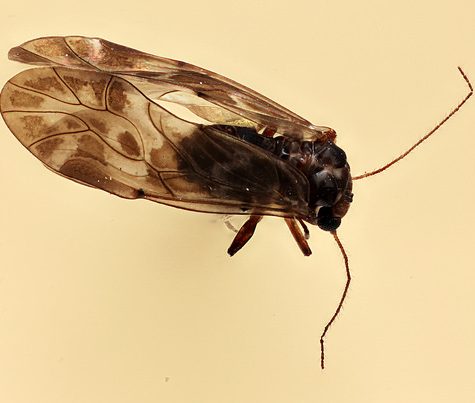
Book Lice Unkown Insect, Coventry CT. Mounted on Pinpoint. Very Small.
Psocoptera are an order of insects that are commonly known as booklice, barklice or barkflies.[1] They first appeared in the Permian period, 295–248 million years ago. They are often regarded as the most primitive of the hemipteroids.[2] Their name originates from the Greek word ψῶχος, psokhosmeaning gnawed or rubbed and πτερά, ptera meaning wings.[3] There are more than 5,500 species in 41 families in three suborders. Many of these species have only been described in recent years.[4]

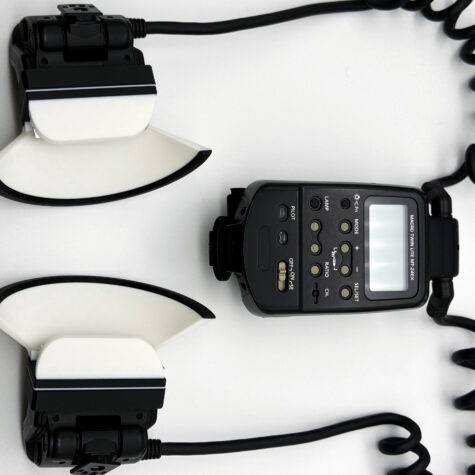 Turtledove Diffusers: Canon MT-24 EX Twin Lite Flash