Showing 97–112 of 118 resultsSorted by price: high to low
Select options
This product has multiple variants. The options may be chosen on the product page
$19.00–$400.00Price range: $19.00 through $400.00
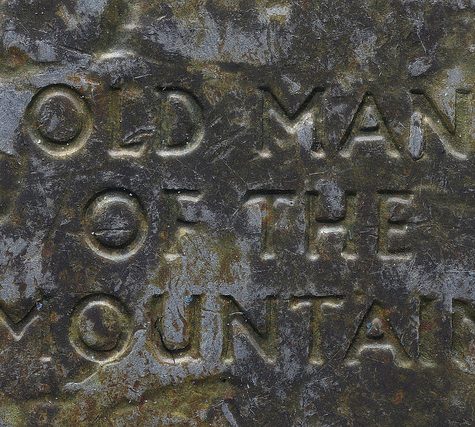
New Hampshire Quarter
Metal testing is a process or procedure used to check composition of an unknown metallic substance. There are destructive processes and nondestructive processes. Metal testing can also include, determining the properties of newly forged metal alloys. With many chemical-property databases readily available, identification of unmarked pure,common metals can be a quick and easy process. Leaving the original sample in complete, re-usable condition. This type of testing is nondestructive. When working with alloys (forged mixtures) of metals however, to determine the exact composition, could result in the original sample being separated into its starting materials, then measured and calculated. After the components are known they can be looked up and matched to known alloys. The original sample would be destroyed in the process. This type of testing is destructive.
Select options
This product has multiple variants. The options may be chosen on the product page
$19.00–$400.00Price range: $19.00 through $400.00
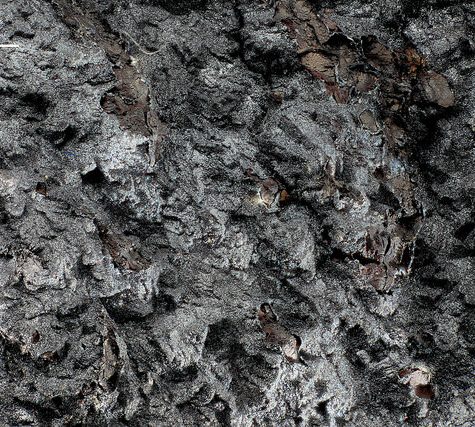
Metal Quality Testing
Metal testing is a process or procedure used to check composition of an unknown metallic substance. There are destructive processes and nondestructive processes. Metal testing can also include, determining the properties of newly forged metal alloys. With many chemical-property databases readily available, identification of unmarked pure,common metals can be a quick and easy process. Leaving the original sample in complete, re-usable condition. This type of testing is nondestructive. When working with alloys (forged mixtures) of metals however, to determine the exact composition, could result in the original sample being separated into its starting materials, then measured and calculated. After the components are known they can be looked up and matched to known alloys. The original sample would be destroyed in the process. This type of testing is destructive.
Select options
This product has multiple variants. The options may be chosen on the product page
$19.00–$400.00Price range: $19.00 through $400.00
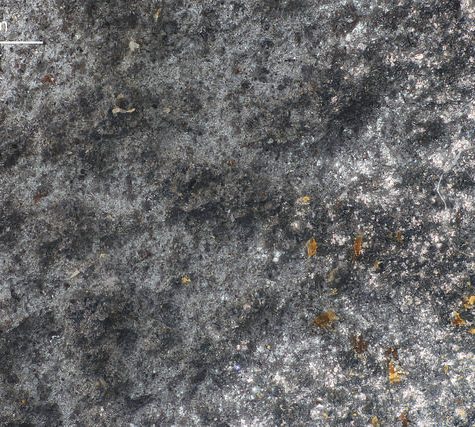
Metal Quality Testing
Metal testing is a process or procedure used to check composition of an unknown metallic substance. There are destructive processes and nondestructive processes. Metal testing can also include, determining the properties of newly forged metal alloys. With many chemical-property databases readily available, identification of unmarked pure,common metals can be a quick and easy process. Leaving the original sample in complete, re-usable condition. This type of testing is nondestructive. When working with alloys (forged mixtures) of metals however, to determine the exact composition, could result in the original sample being separated into its starting materials, then measured and calculated. After the components are known they can be looked up and matched to known alloys. The original sample would be destroyed in the process. This type of testing is destructive.
Select options
This product has multiple variants. The options may be chosen on the product page
$19.00–$400.00Price range: $19.00 through $400.00
Metal Quality Testing
Metal testing is a process or procedure used to check composition of an unknown metallic substance. There are destructive processes and nondestructive processes. Metal testing can also include, determining the properties of newly forged metal alloys. With many chemical-property databases readily available, identification of unmarked pure,common metals can be a quick and easy process. Leaving the original sample in complete, re-usable condition. This type of testing is nondestructive. When working with alloys (forged mixtures) of metals however, to determine the exact composition, could result in the original sample being separated into its starting materials, then measured and calculated. After the components are known they can be looked up and matched to known alloys. The original sample would be destroyed in the process. This type of testing is destructive.
Select options
This product has multiple variants. The options may be chosen on the product page
$19.00–$400.00Price range: $19.00 through $400.00
Metal Quality Testing
Metal testing is a process or procedure used to check composition of an unknown metallic substance. There are destructive processes and nondestructive processes. Metal testing can also include, determining the properties of newly forged metal alloys. With many chemical-property databases readily available, identification of unmarked pure,common metals can be a quick and easy process. Leaving the original sample in complete, re-usable condition. This type of testing is nondestructive. When working with alloys (forged mixtures) of metals however, to determine the exact composition, could result in the original sample being separated into its starting materials, then measured and calculated. After the components are known they can be looked up and matched to known alloys. The original sample would be destroyed in the process. This type of testing is destructive.
Select options
This product has multiple variants. The options may be chosen on the product page
$19.00–$400.00Price range: $19.00 through $400.00
Metal Quality Testing
Metal testing is a process or procedure used to check composition of an unknown metallic substance. There are destructive processes and nondestructive processes. Metal testing can also include, determining the properties of newly forged metal alloys. With many chemical-property databases readily available, identification of unmarked pure,common metals can be a quick and easy process. Leaving the original sample in complete, re-usable condition. This type of testing is nondestructive. When working with alloys (forged mixtures) of metals however, to determine the exact composition, could result in the original sample being separated into its starting materials, then measured and calculated. After the components are known they can be looked up and matched to known alloys. The original sample would be destroyed in the process. This type of testing is destructive.
Select options
This product has multiple variants. The options may be chosen on the product page
Select options
This product has multiple variants. The options may be chosen on the product page
$19.00–$400.00Price range: $19.00 through $400.00
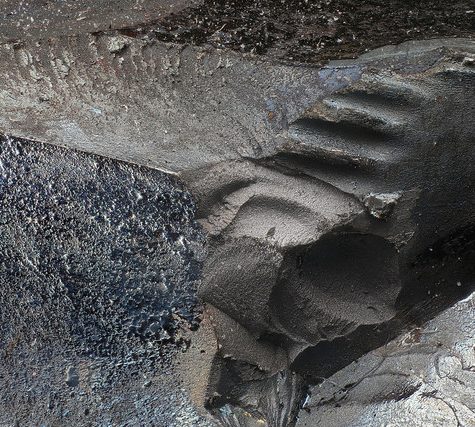
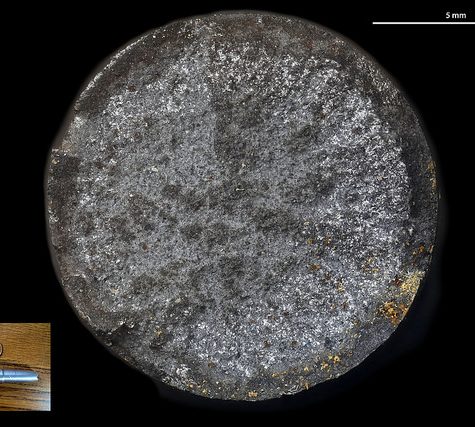
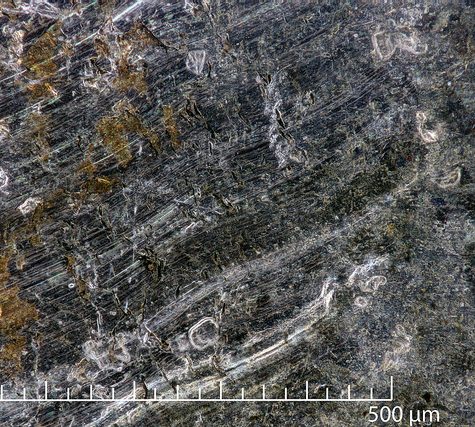
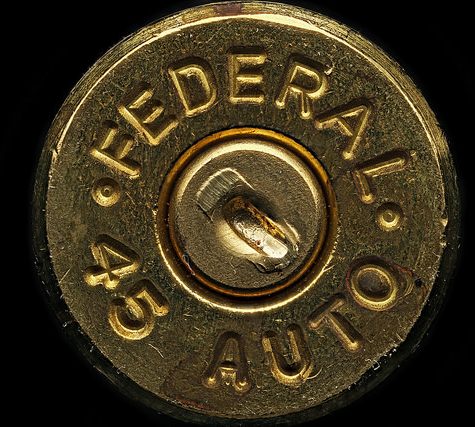
Forensic analysis of firing pin indentation from Glock G30 on .45 cal bullet casing 50x magnification
A bullet is a projectile expelled from the barrel of a firearm. The term is from Middle French and originated as the diminutive of the word boulle (boullet) which means “small ball.” [1] Bullets are made of a variety of materials. They are available singly as they would be used in muzzle loading and cap and ball firearms,[2] as part of a paper cartridge,[3] and much more commonly as a component of metallic cartridges.[4] Bullets are made in a large number of styles and constructions depending on how they will be used. Many bullets have specialized functions, such as hunting, target shooting, training, defense, and warfare.
Select options
This product has multiple variants. The options may be chosen on the product page
$19.00–$400.00Price range: $19.00 through $400.00
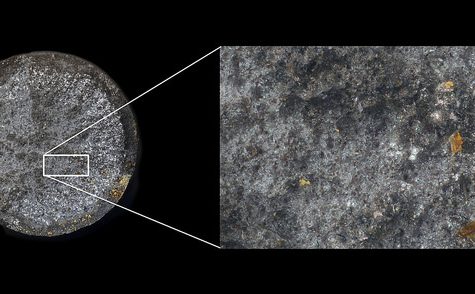
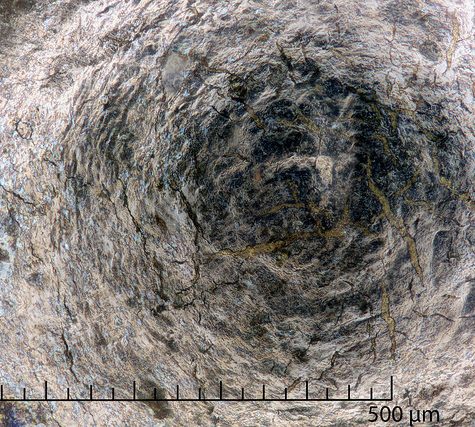
Forensic analysis of firing pin indentation from Glock G30 on .45 cal bullet casing 50x magnification
A bullet is a projectile expelled from the barrel of a firearm. The term is from Middle French and originated as the diminutive of the word boulle (boullet) which means “small ball.” [1] Bullets are made of a variety of materials. They are available singly as they would be used in muzzle loading and cap and ball firearms,[2] as part of a paper cartridge,[3] and much more commonly as a component of metallic cartridges.[4] Bullets are made in a large number of styles and constructions depending on how they will be used. Many bullets have specialized functions, such as hunting, target shooting, training, defense, and warfare.
Select options
This product has multiple variants. The options may be chosen on the product page
$19.00–$400.00Price range: $19.00 through $400.00
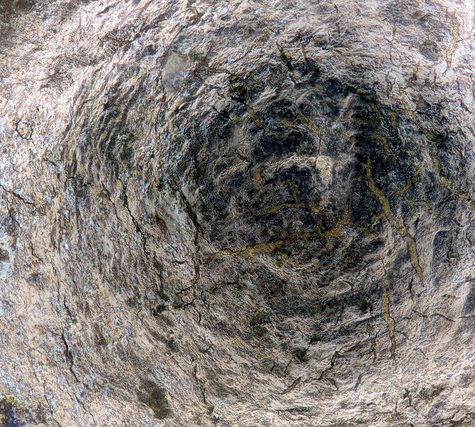
Forensic analysis of firing pin indentation from Glock G30 on .45 cal bullet casing 50x magnification
A bullet is a projectileexpelled from the barrel of a firearm. The term is from Middle French and originated as the diminutive of the word boulle (boullet) which means “small ball.” [1] Bullets are made of a variety of materials. They are available singly as they would be used in muzzle loading and cap and ball firearms,[2] as part of a paper cartridge,[3] and much more commonly as a component of metallic cartridges.[4] Bullets are made in a large number of styles and constructions depending on how they will be used. Many bullets have specialized functions, such as hunting, target shooting, training, defense, and warfare.
Select options
This product has multiple variants. The options may be chosen on the product page
$19.00–$400.00Price range: $19.00 through $400.00
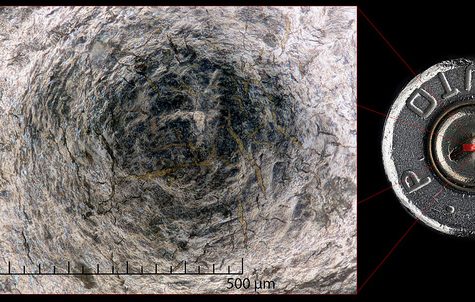
Forensic analysis of firing pin indentation from Glock G30 on .45 cal bullet casing 50x magnification scale
A bullet is a projectileexpelled from the barrel of a firearm. The term is from Middle French and originated as the diminutive of the word boulle (boullet) which means “small ball.” [1] Bullets are made of a variety of materials. They are available singly as they would be used in muzzle loading and cap and ball firearms,[2] as part of a paper cartridge,[3] and much more commonly as a component of metallic cartridges.[4] Bullets are made in a large number of styles and constructions depending on how they will be used. Many bullets have specialized functions, such as hunting, target shooting, training, defense, and warfare.
Select options
This product has multiple variants. The options may be chosen on the product page
$19.00–$400.00Price range: $19.00 through $400.00
Forensic analysis of firing pin indentation from Glock G30 on .45 cal bullet casing 50x magnification
A bullet is a projectileexpelled from the barrel of a firearm. The term is from Middle French and originated as the diminutive of the word boulle (boullet) which means “small ball.” [1] Bullets are made of a variety of materials. They are available singly as they would be used in muzzle loading and cap and ball firearms,[2] as part of a paper cartridge,[3] and much more commonly as a component of metallic cartridges.[4] Bullets are made in a large number of styles and constructions depending on how they will be used. Many bullets have specialized functions, such as hunting, target shooting, training, defense, and warfare.
Select options
This product has multiple variants. The options may be chosen on the product page
$19.00–$400.00Price range: $19.00 through $400.00
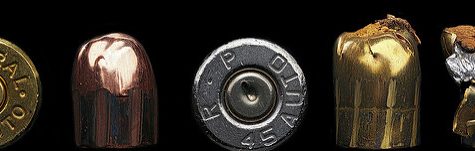
Fired Bullets and Casings from Glock G21 and Glock G30 45 Caliber
A bullet is a projectileexpelled from the barrel of a firearm. The term is from Middle French and originated as the diminutive of the word boulle (boullet) which means “small ball.” [1] Bullets are made of a variety of materials. They are available singly as they would be used in muzzle loading and cap and ball firearms,[2] as part of a paper cartridge,[3] and much more commonly as a component of metallic cartridges.[4] Bullets are made in a large number of styles and constructions depending on how they will be used. Many bullets have specialized functions, such as hunting, target shooting, training, defense, and warfare.
Select options
This product has multiple variants. The options may be chosen on the product page
$19.00–$400.00Price range: $19.00 through $400.00
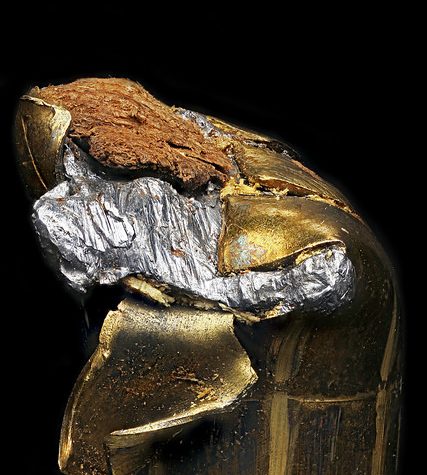
Remington golden saber 230 grain hollow point bullet with wood from tree trunk after firing, scars from Glock G30
A bullet is a projectileexpelled from the barrel of a firearm. The term is from Middle French and originated as the diminutive of the word boulle (boullet) which means “small ball.” [1] Bullets are made of a variety of materials. They are available singly as they would be used in muzzle loading and cap and ball firearms,[2] as part of a paper cartridge,[3] and much more commonly as a component of metallic cartridges.[4] Bullets are made in a large number of styles and constructions depending on how they will be used. Many bullets have specialized functions, such as hunting, target shooting, training, defense, and warfare.
Select options
This product has multiple variants. The options may be chosen on the product page
$19.00–$400.00Price range: $19.00 through $400.00
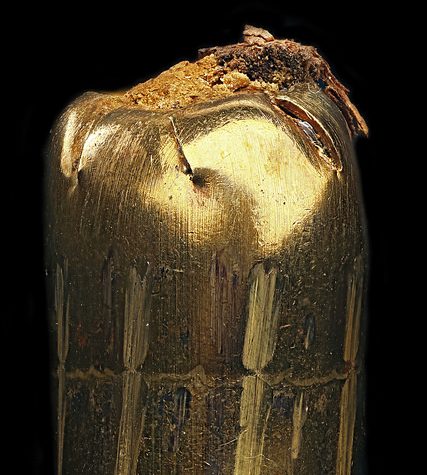
Remington golden saber 230 grain hollow point bullet with wood from tree trunk after firing, scars from Glock G 30
A bullet is a projectileexpelled from the barrel of a firearm. The term is from Middle French and originated as the diminutive of the word boulle (boullet) which means “small ball.” [1] Bullets are made of a variety of materials. They are available singly as they would be used in muzzle loading and cap and ball firearms,[2] as part of a paper cartridge,[3] and much more commonly as a component of metallic cartridges.[4] Bullets are made in a large number of styles and constructions depending on how they will be used. Many bullets have specialized functions, such as hunting, target shooting, training, defense, and warfare.
Select options
This product has multiple variants. The options may be chosen on the product page
$19.00–$400.00Price range: $19.00 through $400.00
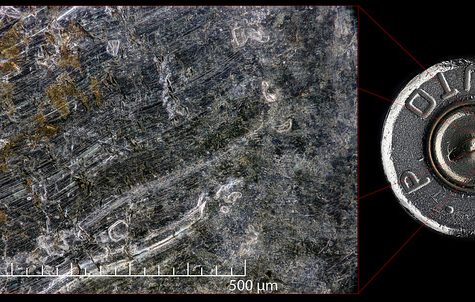
Glock G21 45 Caliber Firing Mechanism Indentation on 230 grain PMC full metal jacket casing
A bullet is a projectileexpelled from the barrel of a firearm. The term is from Middle French and originated as the diminutive of the word boulle (boullet) which means “small ball.” [1] Bullets are made of a variety of materials. They are available singly as they would be used in muzzle loading and cap and ball firearms,[2] as part of a paper cartridge,[3] and much more commonly as a component of metallic cartridges.[4] Bullets are made in a large number of styles and constructions depending on how they will be used. Many bullets have specialized functions, such as hunting, target shooting, training, defense, and warfare.

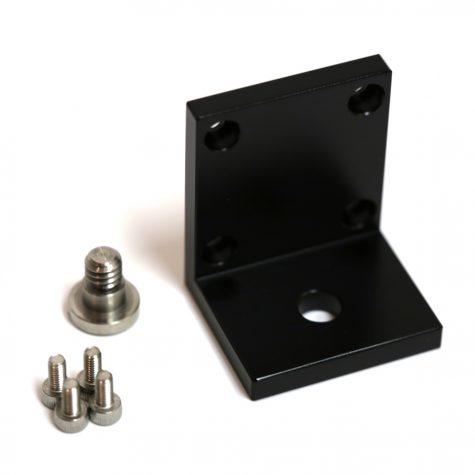 L Plate for Mounting Specimens on Translational Stage
 Diffuser for Canon RF 100mm Macro
 Camera Err 20 or Err 30 Service and Repair
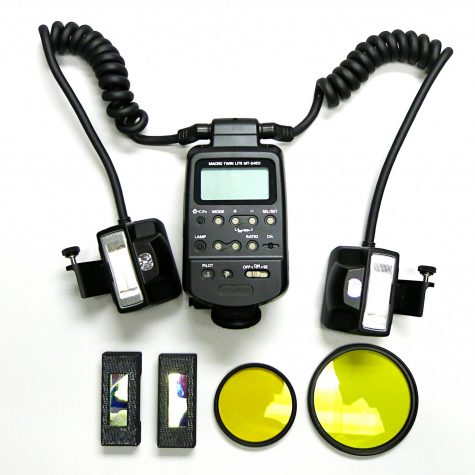 Fluorescence Kit
 Premium Training & Support