Showing 49–53 of 53 resultsSorted by price: high to low
Select options
This product has multiple variants. The options may be chosen on the product page
$19.00–$400.00Price range: $19.00 through $400.00
Mite on Beetle Host
In biology/ecology, parasitism is a non-mutual relationship between species, where one species, the parasite, benefits at the expense of the other, the host. Traditionally parasite (in biological usage) referred primarily to organisms visible to the naked eye, or macroparasites (such as helminths). Parasites can be microparasites, which are typically smaller, such as protozoa,[1][2]viruses, and bacteria.[3] Examples of parasites include the plants mistletoe and cuscuta, and animals such as hookworms.
Select options
This product has multiple variants. The options may be chosen on the product page
$19.00–$400.00Price range: $19.00 through $400.00
Mite on Beetle Host
In biology/ecology, parasitism is a non-mutual relationship between species, where one species, the parasite, benefits at the expense of the other, the host. Traditionally parasite (in biological usage) referred primarily to organisms visible to the naked eye, or macroparasites (such as helminths). Parasites can be microparasites, which are typically smaller, such as protozoa,[1][2]viruses, and bacteria.[3] Examples of parasites include the plants mistletoe and cuscuta, and animals such as hookworms.
Select options
This product has multiple variants. The options may be chosen on the product page
$19.00–$400.00Price range: $19.00 through $400.00
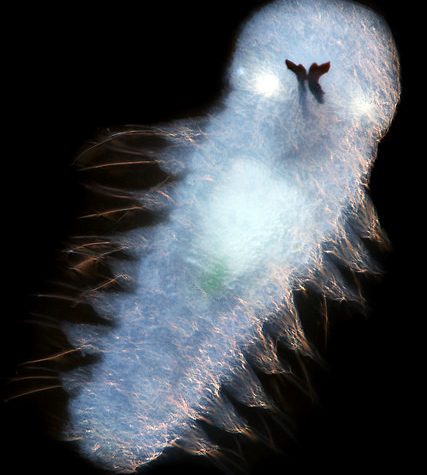
Polychaeta, Bristle Worm
The Polychaeta/ˌpɒlɪˈkiːtə/, also known as the bristle worms or polychaetes, are a paraphyletic class of annelid worms, generally marine. Each body segment has a pair of fleshy protrusions called parapodia that bear many bristles, called chaetae, which are made of chitin. As such, polychaetes are sometimes referred to as bristle worms. More than 10,000 species are described in this class. Common representatives include the lugworm (Arenicola marina) and the sandworm or clam wormAlitta.
Select options
This product has multiple variants. The options may be chosen on the product page
$19.00–$400.00Price range: $19.00 through $400.00
5x Red Algae, Dried and Preserved, Long Island Sound, NY
The red algae, or Rhodophyta, are one of the oldest groups of eukaryotic algae, and also one of the largest, with about 5,000–6,000 species of mostly multicellular, marine algae, including many notable seaweeds.
Select options
This product has multiple variants. The options may be chosen on the product page
$19.00–$400.00Price range: $19.00 through $400.00
Red Algae, Dried and Preserved, Long Island Sound, NY
The red algae, or Rhodophyta, are one of the oldest groups of eukaryotic algae, and also one of the largest, with about 5,000–6,000 species of mostly multicellular, marine algae, including many notable seaweeds.