Showing 49–64 of 107 resultsSorted by price: high to low
Select options
This product has multiple variants. The options may be chosen on the product page
$19.00–$400.00Price range: $19.00 through $400.00
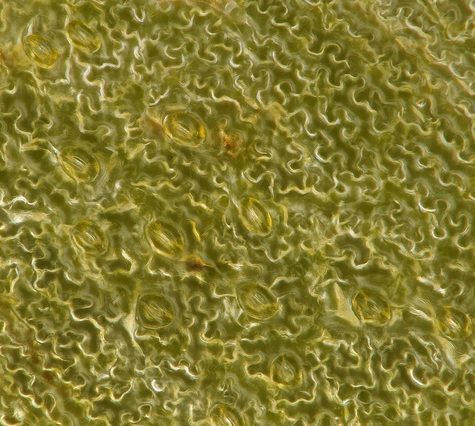
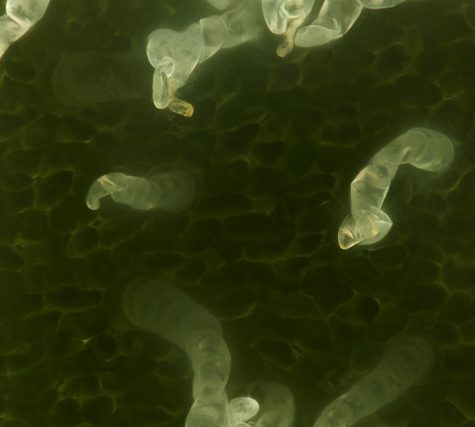
Ferns
A fern is a member of a group of vascular plants that reproduce via spores and have neither seeds nor flowers. They differ from mosses by being vascular, i.e., having certain tissue that conducts water and nutrients, and having branched stems. Like other vascular plants, ferns have leaves, and these are “megaphylls”, which are more complex than the “microphylls” of clubmosses. Most ferns are leptosporangiate ferns, sometimes termed “true ferns”; they produce what are called “fiddleheads” that uncoil and expand into fronds.[3] The group includes about 10,560 known extant species.[4]
Select options
This product has multiple variants. The options may be chosen on the product page
$19.00–$400.00Price range: $19.00 through $400.00
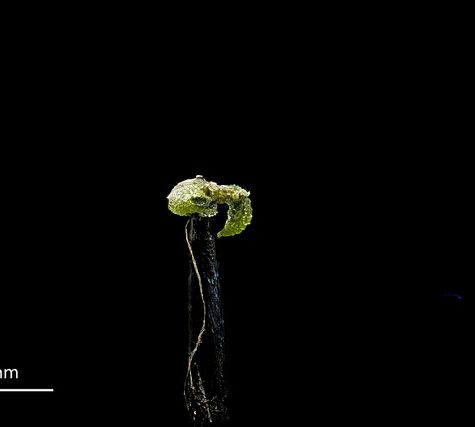
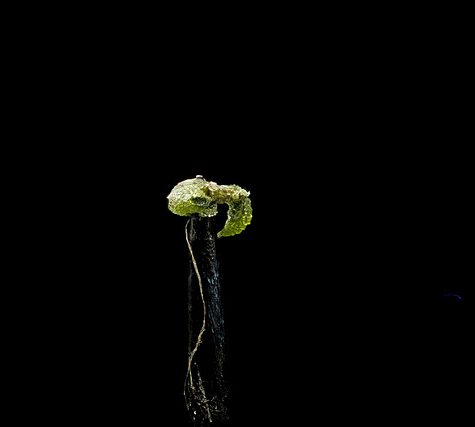
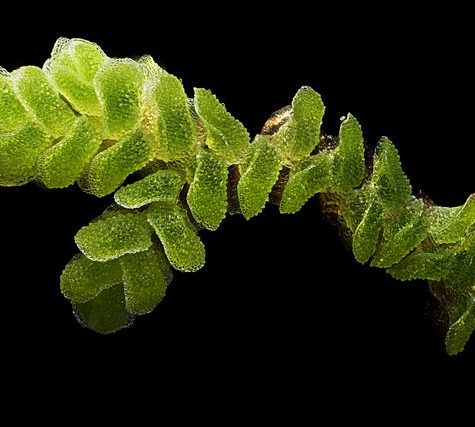
Azolla Fern
Azolla (mosquito fern, duckweed fern, fairy moss, water fern) is a genus of seven species of aquaticferns in the family Salviniaceae. They are extremely reduced in form and specialized, looking nothing like other typical ferns but more resembling duckweedor some mosses.
Select options
This product has multiple variants. The options may be chosen on the product page
$19.00–$400.00Price range: $19.00 through $400.00
Ferns
A fern is a member of a group of vascular plants that reproduce via spores and have neither seeds nor flowers. They differ from mosses by being vascular, i.e., having certain tissue that conducts water and nutrients, and having branched stems. Like other vascular plants, ferns have leaves, and these are “megaphylls”, which are more complex than the “microphylls” of clubmosses. Most ferns are leptosporangiate ferns, sometimes termed “true ferns”; they produce what are called “fiddleheads” that uncoil and expand into fronds.[3] The group includes about 10,560 known extant species.[4]
Select options
This product has multiple variants. The options may be chosen on the product page
$19.00–$400.00Price range: $19.00 through $400.00
Azolla Fern
Azolla (mosquito fern, duckweed fern, fairy moss, water fern) is a genus of seven species of aquaticferns in the family Salviniaceae. They are extremely reduced in form and specialized, looking nothing like other typical ferns but more resembling duckweedor some mosses.
Select options
This product has multiple variants. The options may be chosen on the product page
$19.00–$400.00Price range: $19.00 through $400.00
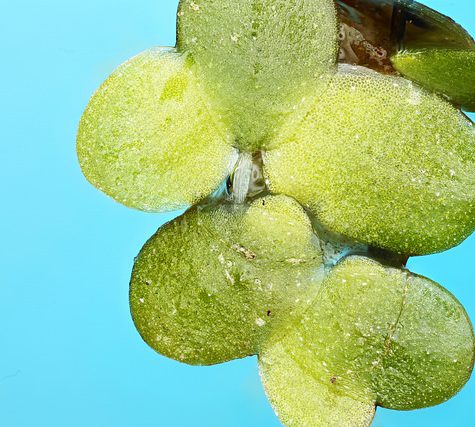
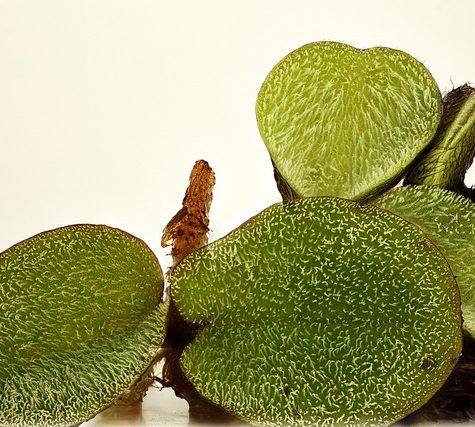
Salvinia Fern
Salvinia, a genus in the family Salviniaceae, is a floating fern named in honor of Anton Maria Salvini, a 17th-century Italian scientist. Watermoss is a common name for Salvinia.[1] The genus was published in 1754 by Jean-François Séguier, in his description of the plants found round Verona, Plantae Veronenses[2] Twelve species are recognized, at least three of which (S. molesta, S. herzogii, and S. minima) are believed to be hybrids, in part because their sporangia are found to be empty.
Select options
This product has multiple variants. The options may be chosen on the product page
$19.00–$400.00Price range: $19.00 through $400.00
Salvinia Fern
Salvinia, a genus in the family Salviniaceae, is a floating fern named in honor of Anton Maria Salvini, a 17th-century Italian scientist. Watermoss is a common name for Salvinia.[1] The genus was published in 1754 by Jean-François Séguier, in his description of the plants found round Verona, Plantae Veronenses[2] Twelve species are recognized, at least three of which (S. molesta, S. herzogii, and S. minima) are believed to be hybrids, in part because their sporangia are found to be empty.
Select options
This product has multiple variants. The options may be chosen on the product page
$19.00–$400.00Price range: $19.00 through $400.00
Salvinia Fern
Salvinia, a genus in the family Salviniaceae, is a floating fern named in honor of Anton Maria Salvini, a 17th-century Italian scientist. Watermoss is a common name for Salvinia.[1] The genus was published in 1754 by Jean-François Séguier, in his description of the plants found round Verona, Plantae Veronenses[2] Twelve species are recognized, at least three of which (S. molesta, S. herzogii, and S. minima) are believed to be hybrids, in part because their sporangia are found to be empty.
Select options
This product has multiple variants. The options may be chosen on the product page
$19.00–$400.00Price range: $19.00 through $400.00
Azolla Fern
Azolla (mosquito fern, duckweed fern, fairy moss, water fern) is a genus of seven species of aquaticferns in the family Salviniaceae. They are extremely reduced in form and specialized, looking nothing like other typical ferns but more resembling duckweedor some mosses.
Select options
This product has multiple variants. The options may be chosen on the product page
$19.00–$400.00Price range: $19.00 through $400.00
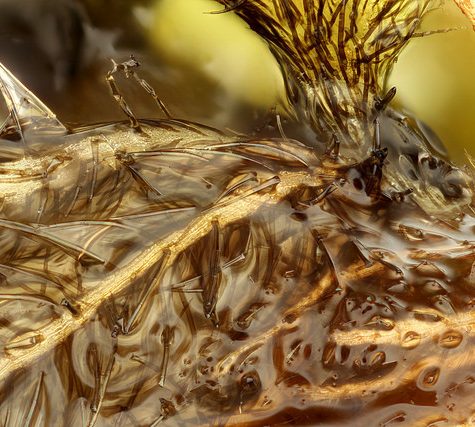
Dewey Millipede on Unknown Tree Bud Scale Bar
Myriapoda is a subphylum of arthropods containing millipedes, centipedes, and others. The group contains over 16,000 species, most of which are terrestrial.[2]Although their name suggests they have myriad (10,000) legs, myriapods range from having up to 750 legs (the millipede Illacme plenipes)[3]to having fewer than ten legs.
Select options
This product has multiple variants. The options may be chosen on the product page
Select options
This product has multiple variants. The options may be chosen on the product page
$19.00–$400.00Price range: $19.00 through $400.00
Engorged Dog Tick
Dermacentor variabilis, also known as the American dog tick or wood tick, is a species of tick that is known to carry bacteria responsible for several diseases in humans, including Rocky Mountain spotted fever and tularemia (Francisella tularensis). It is one of the most well-known hard ticks. Diseases are spread when it sucks blood from the host, which could take several days for the host to experience some symptoms.
Select options
This product has multiple variants. The options may be chosen on the product page
Select options
This product has multiple variants. The options may be chosen on the product page
$19.00–$400.00Price range: $19.00 through $400.00
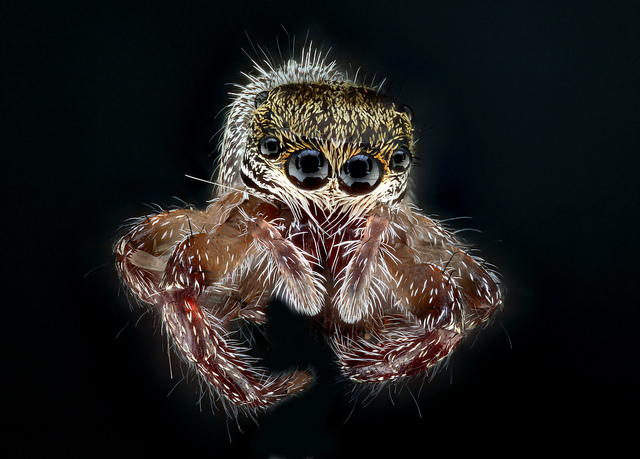
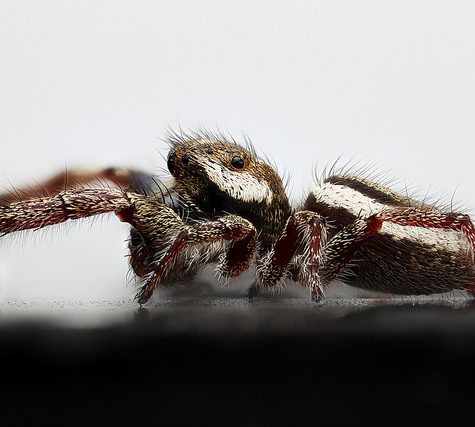
Phidippus princeps
Phidippus princeps is a rare species of jumping spider found in Canada and the United States. These jumping spiders’ vision exceeds by a factor of ten that of dragonflies, which have the best vision among insects.
Select options
This product has multiple variants. The options may be chosen on the product page
$19.00–$400.00Price range: $19.00 through $400.00
Phidippus princeps
Phidippus princeps is a rare species of jumping spider found in Canada and the United States. These jumping spiders’ vision exceeds by a factor of ten that of dragonflies, which have the best vision among insects.
Select options
This product has multiple variants. The options may be chosen on the product page
$19.00–$400.00Price range: $19.00 through $400.00
Engorged Dog Tick
Dermacentor variabilis, also known as the American dog tick or wood tick, is a species of tick that is known to carry bacteria responsible for several diseases in humans, including Rocky Mountain spotted fever and tularemia (Francisella tularensis). It is one of the most well-known hard ticks. Diseases are spread when it sucks blood from the host, which could take several days for the host to experience some symptoms.
Select options
This product has multiple variants. The options may be chosen on the product page