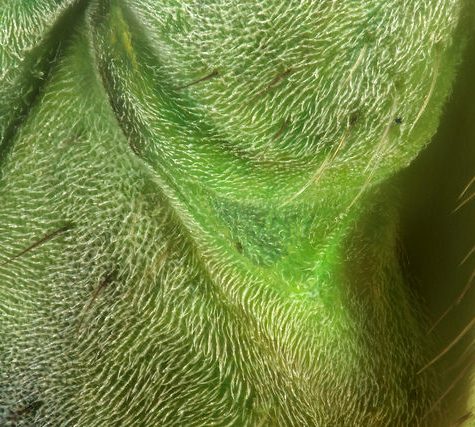
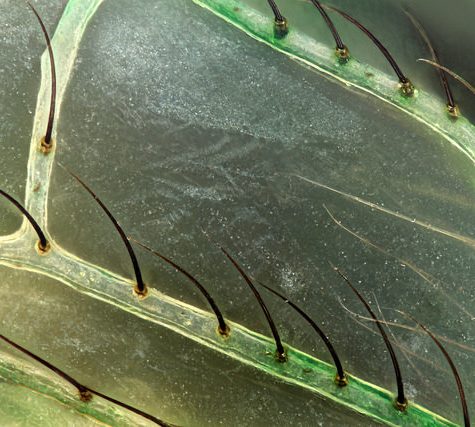
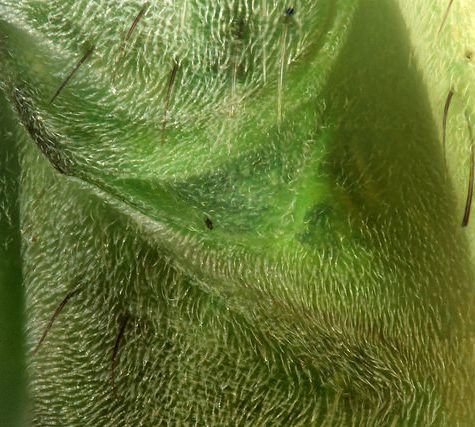
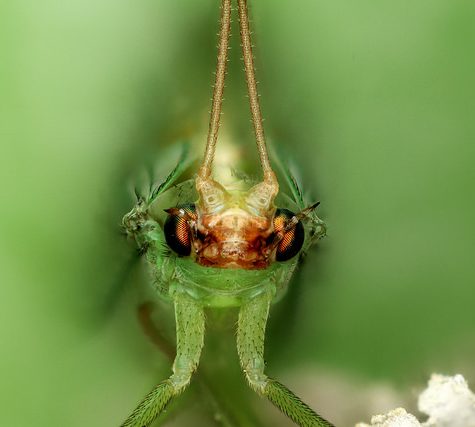
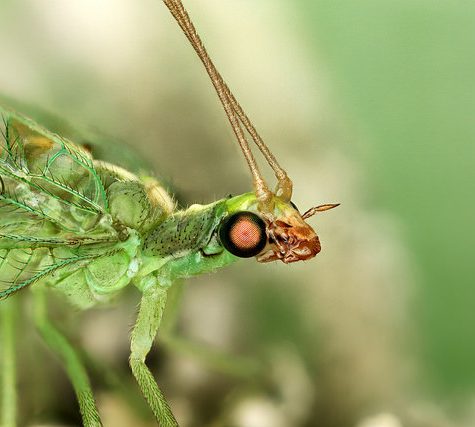
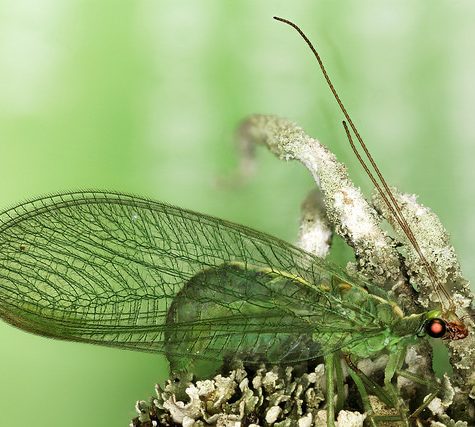
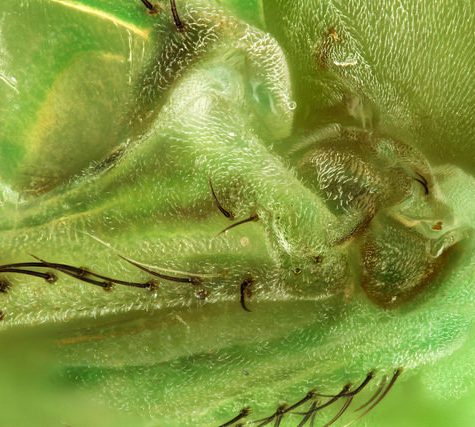
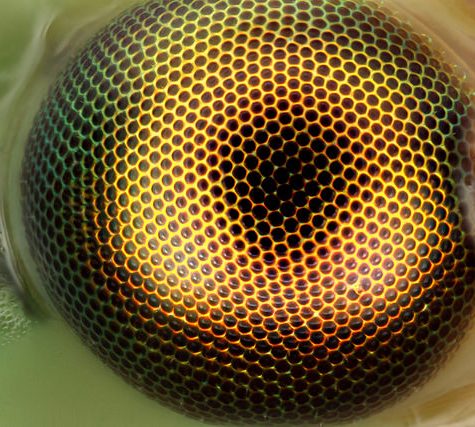
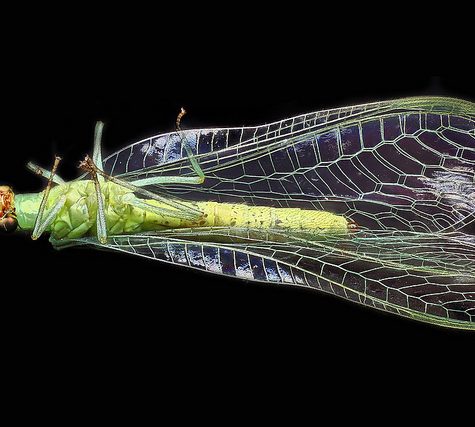
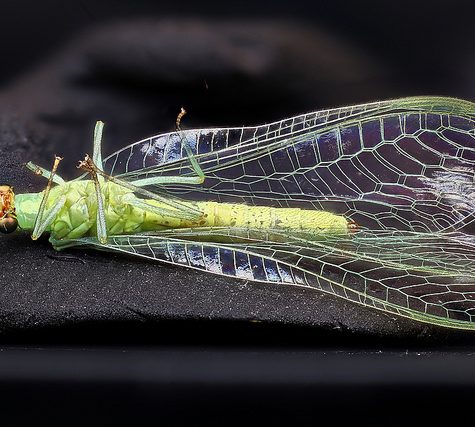
Adult Neuropterans have four membranous wings, all about the same size, with many veins. They have chewing mouthparts, and undergo complete metamorphosis.
Neuropterans first appeared during the PermianPeriod, and continued to diversify through the Mesozoic Era.[2] During this time, several unusually large forms evolved, especially in the extinct familyKalligrammatidae, often referred to as “the butterflies of the Jurassic” due to their large, patterned wings.[3]
Select options
This product has multiple variants. The options may be chosen on the product page
Adult Neuropterans have four membranous wings, all about the same size, with many veins. They have chewing mouthparts, and undergo complete metamorphosis.
Neuropterans first appeared during the PermianPeriod, and continued to diversify through the Mesozoic Era.[2] During this time, several unusually large forms evolved, especially in the extinct familyKalligrammatidae, often referred to as “the butterflies of the Jurassic” due to their large, patterned wings.[3]
Select options
This product has multiple variants. The options may be chosen on the product page
Adult Neuropterans have four membranous wings, all about the same size, with many veins. They have chewing mouthparts, and undergo complete metamorphosis.
Neuropterans first appeared during the PermianPeriod, and continued to diversify through the Mesozoic Era.[2] During this time, several unusually large forms evolved, especially in the extinct familyKalligrammatidae, often referred to as “the butterflies of the Jurassic” due to their large, patterned wings.[3]
Select options
This product has multiple variants. The options may be chosen on the product page
Adult Neuropterans have four membranous wings, all about the same size, with many veins. They have chewing mouthparts, and undergo complete metamorphosis.
Neuropterans first appeared during the PermianPeriod, and continued to diversify through the Mesozoic Era.[2] During this time, several unusually large forms evolved, especially in the extinct familyKalligrammatidae, often referred to as “the butterflies of the Jurassic” due to their large, patterned wings.[3]
Select options
This product has multiple variants. The options may be chosen on the product page
Adult Neuropterans have four membranous wings, all about the same size, with many veins. They have chewing mouthparts, and undergo complete metamorphosis.
Neuropterans first appeared during the PermianPeriod, and continued to diversify through the Mesozoic Era.[2] During this time, several unusually large forms evolved, especially in the extinct familyKalligrammatidae, often referred to as “the butterflies of the Jurassic” due to their large, patterned wings.[3]
Select options
This product has multiple variants. The options may be chosen on the product page
Adult Neuropterans have four membranous wings, all about the same size, with many veins. They have chewing mouthparts, and undergo complete metamorphosis.
Neuropterans first appeared during the PermianPeriod, and continued to diversify through the Mesozoic Era.[2] During this time, several unusually large forms evolved, especially in the extinct familyKalligrammatidae, often referred to as “the butterflies of the Jurassic” due to their large, patterned wings.[3]
Select options
This product has multiple variants. The options may be chosen on the product page
Adult Neuropterans have four membranous wings, all about the same size, with many veins. They have chewing mouthparts, and undergo complete metamorphosis.
Neuropterans first appeared during the PermianPeriod, and continued to diversify through the Mesozoic Era.[2] During this time, several unusually large forms evolved, especially in the extinct familyKalligrammatidae, often referred to as “the butterflies of the Jurassic” due to their large, patterned wings.[3]
Select options
This product has multiple variants. The options may be chosen on the product page
Adult Neuropterans have four membranous wings, all about the same size, with many veins. They have chewing mouthparts, and undergo complete metamorphosis.
Neuropterans first appeared during the PermianPeriod, and continued to diversify through the Mesozoic Era.[2] During this time, several unusually large forms evolved, especially in the extinct familyKalligrammatidae, often referred to as “the butterflies of the Jurassic” due to their large, patterned wings.[3]
Select options
This product has multiple variants. The options may be chosen on the product page
Adult Neuropterans have four membranous wings, all about the same size, with many veins. They have chewing mouthparts, and undergo complete metamorphosis.
Neuropterans first appeared during the PermianPeriod, and continued to diversify through the Mesozoic Era.[2] During this time, several unusually large forms evolved, especially in the extinct familyKalligrammatidae, often referred to as “the butterflies of the Jurassic” due to their large, patterned wings.[3]
Select options
This product has multiple variants. The options may be chosen on the product page
Adult Neuropterans have four membranous wings, all about the same size, with many veins. They have chewing mouthparts, and undergo complete metamorphosis.
Neuropterans first appeared during the PermianPeriod, and continued to diversify through the Mesozoic Era.[2] During this time, several unusually large forms evolved, especially in the extinct familyKalligrammatidae, often referred to as “the butterflies of the Jurassic” due to their large, patterned wings.[3]
Select options
This product has multiple variants. The options may be chosen on the product page
$19.00–$400.00Price range: $19.00 through $400.00
Dewey Millipede on Unknown Tree Bud Scale Bar
Myriapoda is a subphylum of arthropods containing millipedes, centipedes, and others. The group contains over 16,000 species, most of which are terrestrial.[2]Although their name suggests they have myriad (10,000) legs, myriapods range from having up to 750 legs (the millipede Illacme plenipes)[3]to having fewer than ten legs.
Select options
This product has multiple variants. The options may be chosen on the product page
Select options
This product has multiple variants. The options may be chosen on the product page
$19.00–$400.00Price range: $19.00 through $400.00
Engorged Dog Tick
Dermacentor variabilis, also known as the American dog tick or wood tick, is a species of tick that is known to carry bacteria responsible for several diseases in humans, including Rocky Mountain spotted fever and tularemia (Francisella tularensis). It is one of the most well-known hard ticks. Diseases are spread when it sucks blood from the host, which could take several days for the host to experience some symptoms.
Select options
This product has multiple variants. The options may be chosen on the product page
Select options
This product has multiple variants. The options may be chosen on the product page
$19.00–$400.00Price range: $19.00 through $400.00
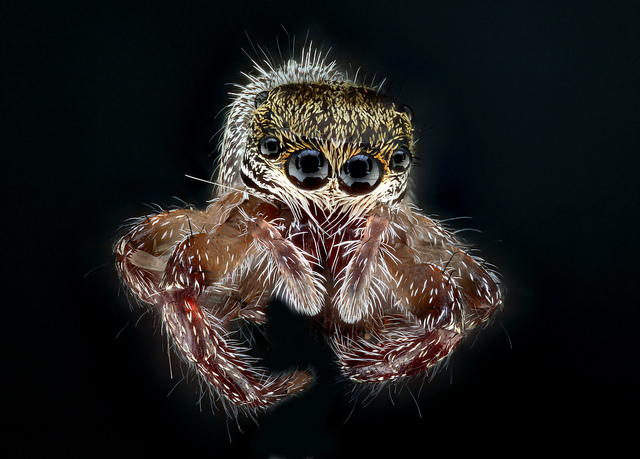
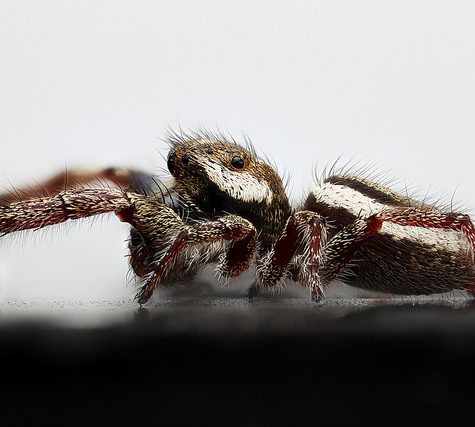
Phidippus princeps
Phidippus princeps is a rare species of jumping spider found in Canada and the United States. These jumping spiders’ vision exceeds by a factor of ten that of dragonflies, which have the best vision among insects.
Select options
This product has multiple variants. The options may be chosen on the product page
$19.00–$400.00Price range: $19.00 through $400.00
Phidippus princeps
Phidippus princeps is a rare species of jumping spider found in Canada and the United States. These jumping spiders’ vision exceeds by a factor of ten that of dragonflies, which have the best vision among insects.