Showing 17–25 of 25 resultsSorted by price: high to low
Select options
This product has multiple variants. The options may be chosen on the product page
$19.00–$400.00Price range: $19.00 through $400.00
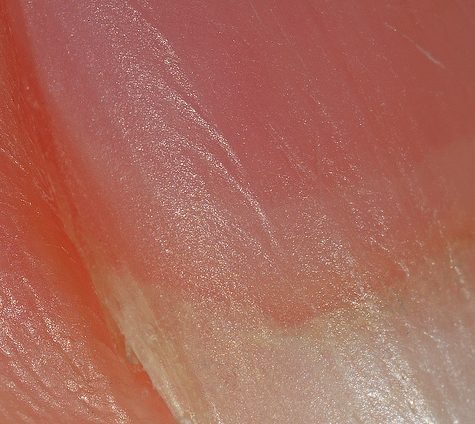
Fingernail
A nail is a horn-like envelope covering the tips of the fingers and toes in most primates and a few other mammals. Nails are similar to claws in other animals. Fingernails and toenails are made of a tough protective protein called alpha-keratin. This protein is also found in the hooves and horns of different animals.
Select options
This product has multiple variants. The options may be chosen on the product page
$19.00–$400.00Price range: $19.00 through $400.00
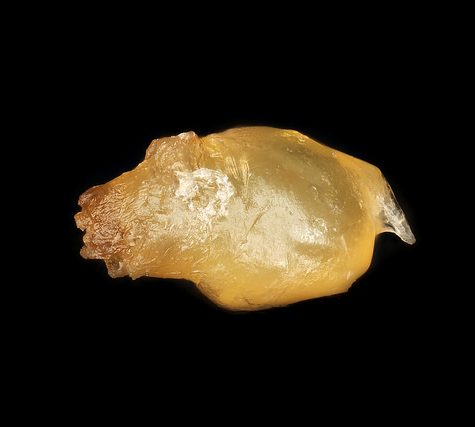
Comedo, Black Head
A comedo is a clogged hair follicle (pore) in the skin.[2]Keratin (skin debris) combines with oil to block the follicle.[3] A comedo can be open (blackhead) or closed by skin (whitehead), and occur with or without acne.[3] The word comedo comes from the Latincomedere, meaning “to eat up”, and was historically used to describe parasitic worms; in modern medical terminology, it is used to suggest the worm-like appearance of the expressed material.[1]
Select options
This product has multiple variants. The options may be chosen on the product page
$19.00–$400.00Price range: $19.00 through $400.00
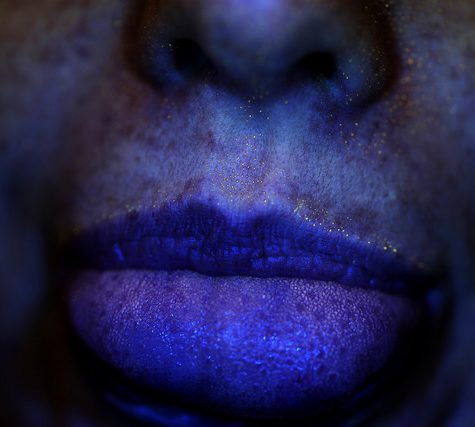
Fluorescent Image of Mouth Area
Dermatology is the branch of medicine dealing with the skin, nails, hair and its diseases.[1][2] It is a specialty with both medical and surgical aspects.[3][4][5] A dermatologist treats diseases, in the widest sense,[6] and some cosmetic problems of the skin, scalp, hair, and nails.[2][7]
Select options
This product has multiple variants. The options may be chosen on the product page
$19.00–$400.00Price range: $19.00 through $400.00
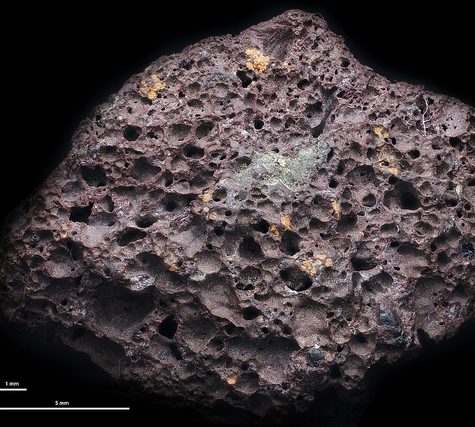
Vesicular Basalt Ah-ah
Basalt is a common extrusiveigneous(volcanic) rock formed from the rapid cooling of basaltic lava exposed at or very near the surface of a planet or moon. Flood basalt describes the formation in a series of lava basalt flows.
Select options
This product has multiple variants. The options may be chosen on the product page
$19.00–$400.00Price range: $19.00 through $400.00
Tephra
Tephra is fragmental material produced by a volcanic eruption regardless of composition, fragment size or emplacement mechanism.[1]
Tephra horizons in south-central Iceland. The thick and light coloured layer at the centre of the photo is rhyolitic tephra from Hekla.
Volcanologists also refer to airborne fragments as pyroclasts. Once clasts have fallen to the ground they remain as tephra unless hot enough to fuse together into pyroclastic rock or tuff.
Select options
This product has multiple variants. The options may be chosen on the product page
$19.00–$400.00Price range: $19.00 through $400.00
Tephra
Tephra is fragmental material produced by a volcanic eruption regardless of composition, fragment size or emplacement mechanism.[1]
Tephra horizons in south-central Iceland. The thick and light coloured layer at the centre of the photo is rhyolitic tephra from Hekla.
Volcanologists also refer to airborne fragments as pyroclasts. Once clasts have fallen to the ground they remain as tephra unless hot enough to fuse together into pyroclastic rock or tuff.
Select options
This product has multiple variants. The options may be chosen on the product page
$19.00–$400.00Price range: $19.00 through $400.00
Tephra and Sulfur
Tephra is fragmental material produced by a volcanic eruption regardless of composition, fragment size or emplacement mechanism.[1]
Tephra horizons in south-central Iceland. The thick and light coloured layer at the centre of the photo is rhyolitic tephra from Hekla.
Volcanologists also refer to airborne fragments as pyroclasts. Once clasts have fallen to the ground they remain as tephra unless hot enough to fuse together into pyroclastic rock or tuff.
Select options
This product has multiple variants. The options may be chosen on the product page
$19.00–$400.00Price range: $19.00 through $400.00
Solidified Sulfur flow with Tephra
Tephra is fragmental material produced by a volcanic eruption regardless of composition, fragment size or emplacement mechanism.[1]
Tephra horizons in south-central Iceland. The thick and light coloured layer at the centre of the photo is rhyolitic tephra from Hekla.
Volcanologists also refer to airborne fragments as pyroclasts. Once clasts have fallen to the ground they remain as tephra unless hot enough to fuse together into pyroclastic rock or tuff.
Select options
This product has multiple variants. The options may be chosen on the product page
$19.00–$400.00Price range: $19.00 through $400.00
Popcorn Tephra
Tephra is fragmental material produced by a volcanic eruption regardless of composition, fragment size or emplacement mechanism.[1]
Tephra horizons in south-central Iceland. The thick and light coloured layer at the centre of the photo is rhyolitic tephra from Hekla.
Volcanologists also refer to airborne fragments as pyroclasts. Once clasts have fallen to the ground they remain as tephra unless hot enough to fuse together into pyroclastic rock or tuff.