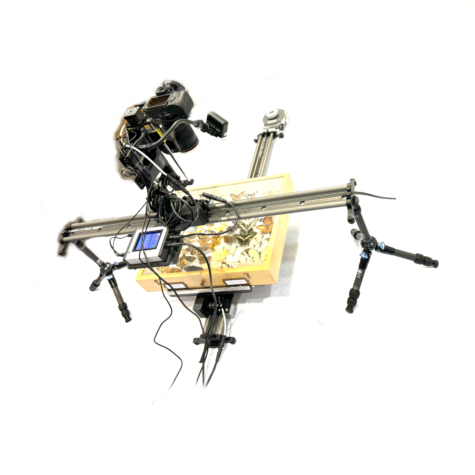
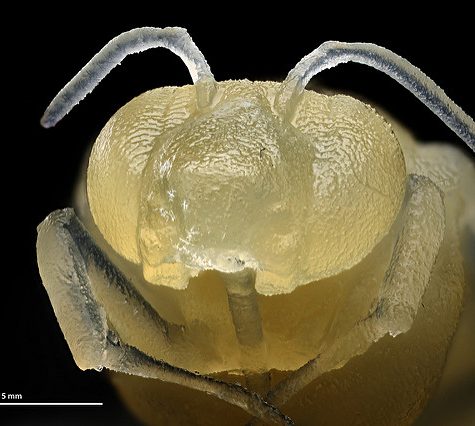
Bring industrial precision to scientific imaging with the Macropod Core 3rd Axes Conversion — an advanced upgrade enabling large-format panoramic imaging, 3-axis automation, and precision focus stacking. This system is engineered for clients requiring high-resolution documentation of core boxes, entomology drawers, tree cores, soil boxes, and other elongated specimens with substantial length and width.
Key Features
Full 3-Axis Automation: Adds a third linear rail to your Macropod Core system for complete X-Y-Z motion control, enabling seamless panoramic captures and automated focus stacking across large subjects.
Panoramic Imaging Workflow: Perfect for digitizing entire drawers or trays, the 3rd axis ensures complete coverage without manual repositioning.
Unmatched Precision: Each axis is guided by carbon-fiber rails and tension-cable alignment, ensuring micrometer-level accuracy across large surfaces.
Broad Compatibility: Designed for core box imaging, whole-drawer insect digitization, geological core photography, and botanical tray scanning.
High-Resolution Outputs: Produces photogrammetric datasets and stitched mosaics suitable for measurement, AI training, or 3D modeling.
Open Workflow: Integrates with software like Agisoft Metashape, Zerene Stacker, and Helicon Focus for photogrammetry and image stacking.
Video Demonstration
The complete playlist can be viewed on our YouTube Channel here: https://www.youtube.com/watch?v=Whoa4jDUYo8&list=PLcKIGvtblfut6S-o7jE01siFfMwwFHQsO
Select options
This product has multiple variants. The options may be chosen on the product page
$19.00–$400.00Price range: $19.00 through $400.00
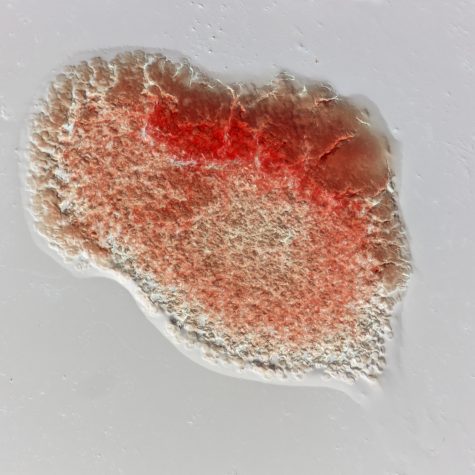
Clot
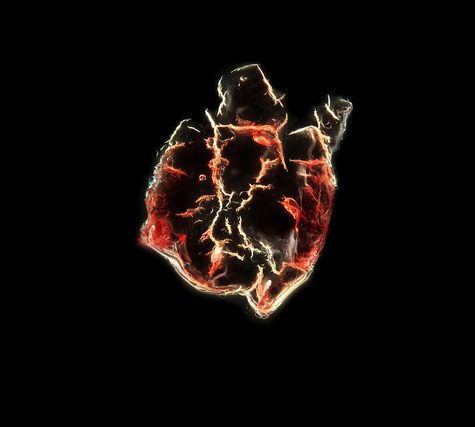
A thrombus, colloquially called a blood clot, is the final product of the blood coagulationstep in hemostasis. There are two components to a thrombus: aggregated platelets and red blood cells that form a plug, and a mesh of cross-linked fibrin protein. The substance making up a thrombus is sometimes called cruor. A thrombus is a healthy response to injury intended to prevent bleeding, but can be harmful in thrombosis, when clots obstruct blood flow through healthy blood vessels.
Select options
This product has multiple variants. The options may be chosen on the product page
$19.00–$400.00Price range: $19.00 through $400.00
Clot
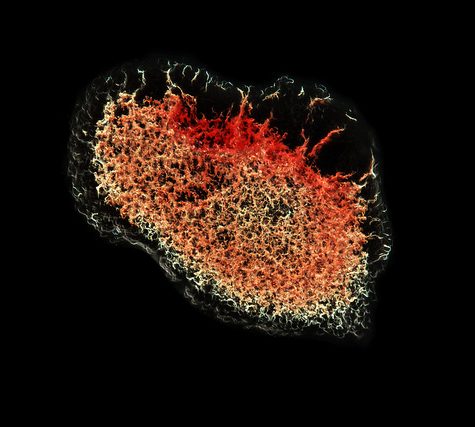
A thrombus, colloquially called a blood clot, is the final product of the blood coagulationstep in hemostasis. There are two components to a thrombus: aggregated platelets and red blood cells that form a plug, and a mesh of cross-linked fibrin protein. The substance making up a thrombus is sometimes called cruor. A thrombus is a healthy response to injury intended to prevent bleeding, but can be harmful in thrombosis, when clots obstruct blood flow through healthy blood vessels.
Select options
This product has multiple variants. The options may be chosen on the product page
$19.00–$400.00Price range: $19.00 through $400.00
Bloody Saliva
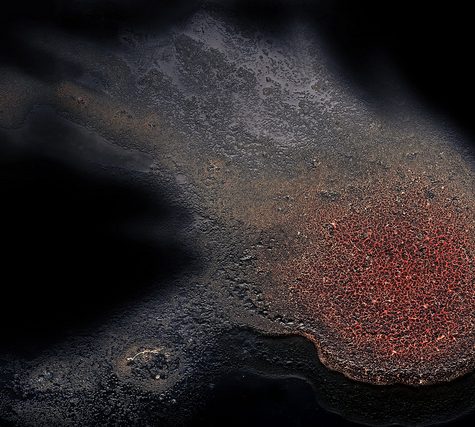
Saliva is a watery substance formed in the mouths of animals, secreted by the salivary glands. Human saliva comprises 99.5% water, plus electrolytes, mucus, white blood cells, epithelial cells (which can be used to extract DNA), glycoproteins, enzymes (such as amylase and lipase), antimicrobial agents such as secretory IgA and lysozyme.[1] The enzymes found in saliva are essential in beginning the process of digestion of dietary starches and fats. These enzymes also play a role in breaking down food particles entrapped within dental crevices, thus protecting teeth from bacterial decay.[2] Furthermore, saliva serves a lubricative function, wetting food and permitting the initiation of swallowing, and protecting the mucosal surfaces of the oral cavity from desiccation.[3]
Select options
This product has multiple variants. The options may be chosen on the product page
$19.00–$400.00Price range: $19.00 through $400.00
3D Scanned and 3D Printed Bee
3D printing, also known as additive manufacturing (AM), refers to processes used to create a three-dimensional object in which layers of material are formed under computer control to create an object. Objects can be of almost any shape or geometry and are produced using digital model data from a 3D model or another electronic data source such as an Additive Manufacturing File (AMF) file. STL is one of the most common file types that 3D printers can read. Thus, unlike material removed from a stock in the conventional machining process, 3D printing or AM builds a three-dimensional object from computer-aided design (CAD) model or AMF file by successively adding material layer by layer.
The term “3D printing” originally referred to a process that deposits a binder material onto a powder bed with inkjet printer heads layer by layer. More recently, the term is being used in popular vernacular to encompass a wider variety of additive manufacturing techniques. United States and global technical standards use the official term additive manufacturingfor this broader sense. ISO/ASTM52900-15 defines seven categories of AM processes within its meaning: binder jetting, directed energy deposition, material extrusion, material jetting, powder bed fusion, sheet lamination and vat photopolymerization.
Select options
This product has multiple variants. The options may be chosen on the product page
$19.00–$400.00Price range: $19.00 through $400.00
Red Blood Cells
Red blood cells (RBCs), also called erythrocytes, are the most common type of blood cell and the vertebrate organism’s principal means of delivering oxygen (O2) to the body tissues—via blood flow through the circulatory system] RBCs take up oxygen in the lungs or gills and release it into tissues while squeezing through the body’s capillaries. They are between 6-8 microns in diameter.
The cytoplasm of erythrocytes is rich in hemoglobin, an iron-containing biomolecule that can bind oxygen and is responsible for the red color of the cells. The cell membrane is composed of proteins and lipids, and this structure provides properties essential for physiological cell function such as deformability and stability while traversing the circulatory system and specifically the capillary network.
In humans, mature red blood cells are flexible and oval biconcave disks. They lack a cell nucleus and most organelles, in order to accommodate maximum space for hemoglobin. Approximately 2.4 million new erythrocytes are produced per second in human adults. The cells develop in the bone marrow and circulate for about 100–120 days in the body before their components are recycled by macrophages. Each circulation takes about 20 seconds. Approximately a quarter of the cells in the human body are red blood cells.