Select options
This product has multiple variants. The options may be chosen on the product page
$19.00–$400.00Price range: $19.00 through $400.00
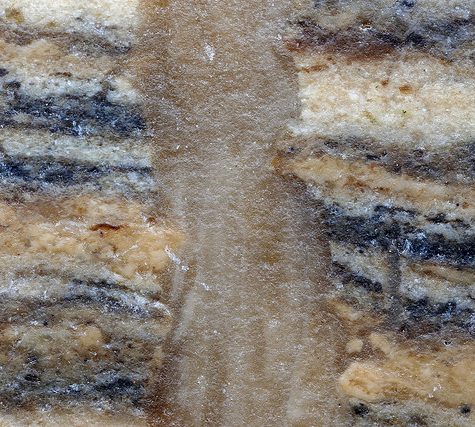
Vein in Gneiss
Structural geology is the study of the three-dimensional distribution of rock units with respect to their deformational histories. The primary goal of structural geology is to use measurements of present-day rock geometries to uncover information about the history of deformation (strain) in the rocks, and ultimately, to understand the stress field that resulted in the observed strain and geometries. This understanding of the dynamics of the stress field can be linked to important events in the geologic past; a common goal is to understand the structural evolution of a particular area with respect to regionally widespread patterns of rock deformation (e.g., mountain building, rifting) due to plate tectonics.
Select options
This product has multiple variants. The options may be chosen on the product page
$19.00–$400.00Price range: $19.00 through $400.00
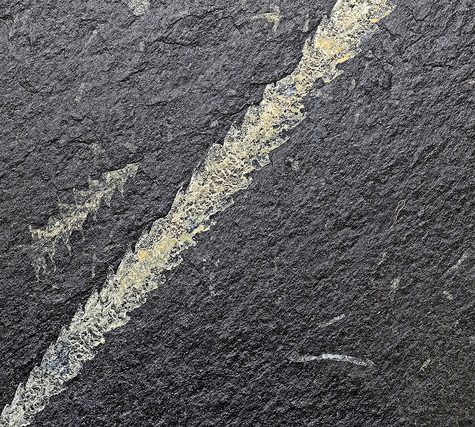
Chocolate Structures in Graptolite
Structural geology is the study of the three-dimensional distribution of rock units with respect to their deformational histories. The primary goal of structural geology is to use measurements of present-day rock geometries to uncover information about the history of deformation (strain) in the rocks, and ultimately, to understand the stress field that resulted in the observed strain and geometries. This understanding of the dynamics of the stress field can be linked to important events in the geologic past; a common goal is to understand the structural evolution of a particular area with respect to regionally widespread patterns of rock deformation (e.g., mountain building, rifting) due to plate tectonics.
Select options
This product has multiple variants. The options may be chosen on the product page
$19.00–$400.00Price range: $19.00 through $400.00
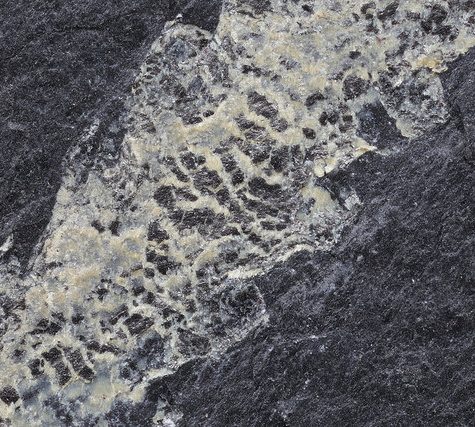
Chocolate Structures in Graptolite
Structural geology is the study of the three-dimensional distribution of rock units with respect to their deformational histories. The primary goal of structural geology is to use measurements of present-day rock geometries to uncover information about the history of deformation (strain) in the rocks, and ultimately, to understand the stress field that resulted in the observed strain and geometries. This understanding of the dynamics of the stress field can be linked to important events in the geologic past; a common goal is to understand the structural evolution of a particular area with respect to regionally widespread patterns of rock deformation (e.g., mountain building, rifting) due to plate tectonics.
Select options
This product has multiple variants. The options may be chosen on the product page
$19.00–$400.00Price range: $19.00 through $400.00
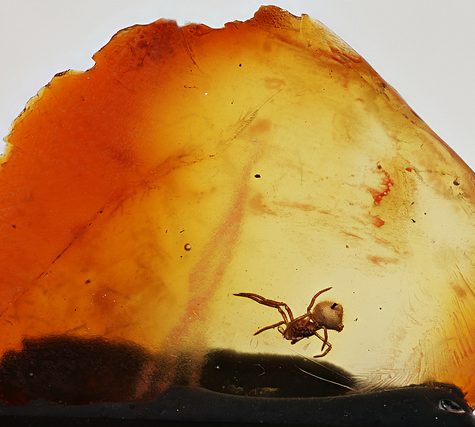
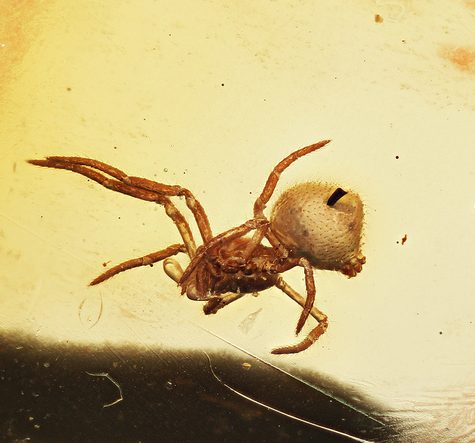
Arachnid in Amber
The evolution of spiders has been going on for at least 380 million years, since the first true spiders (thin-waisted arachnids) evolved from crab-like chelicerate ancestors. More than 45,000 extant species have been described, organised taxonomically in 3,958 genera and 114 families.[1] There may be more than 120,000 species.[1] Fossil diversity rates make up a larger proportion than extant diversity would suggest with 1,593 arachnid species described out of 1,952 recognized chelicerates.[2] Both extant and fossil species are described yearly by researchers in the field (see External links for most recent list of fossil species). Major developments in spider evolution include the development of spinnerets and silk secretion.
Select options
This product has multiple variants. The options may be chosen on the product page
$19.00–$400.00Price range: $19.00 through $400.00
Spider Fossil in Amber
Amber is fossilized tree resin, which has been appreciated for its color and natural beauty since Neolithictimes.[2] Much valued from antiquity to the present as a gemstone, amber is made into a variety of decorative objects.[3] Amber is used in jewelry. It has also been used as a healing agent in folk medicine.
There are five classes of amber, defined on the basis of their chemical constituents. Because it originates as a soft, sticky tree resin, amber sometimes contains animal and plant material as inclusions.[4] Amber occurring in coal seams is also called resinite, and the term ambrite is applied to that found specifically within New Zealand coal seams.[5]

 Turtledove Diffusers: Godox MF12 Wireless Flash (Set of 2)
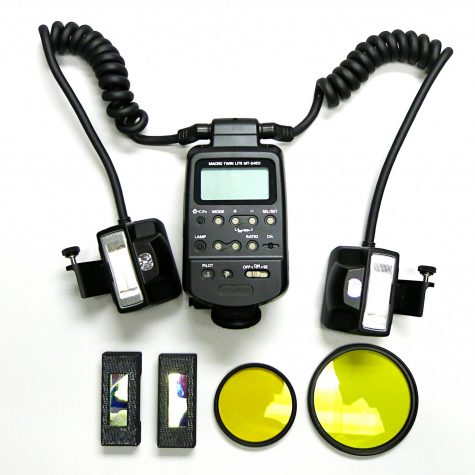 Fluorescence Kit
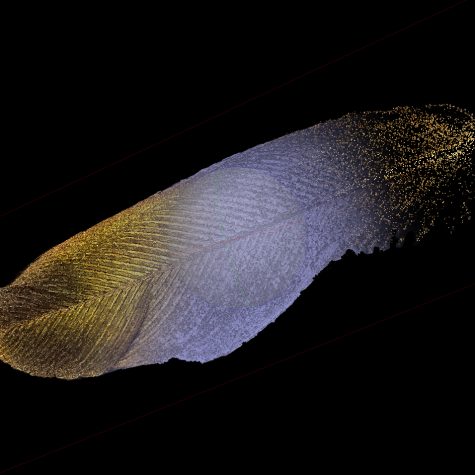 Ruby-throated Hummingbird Tail Feather: 3D Model